Bombing of Villa Kleykamp
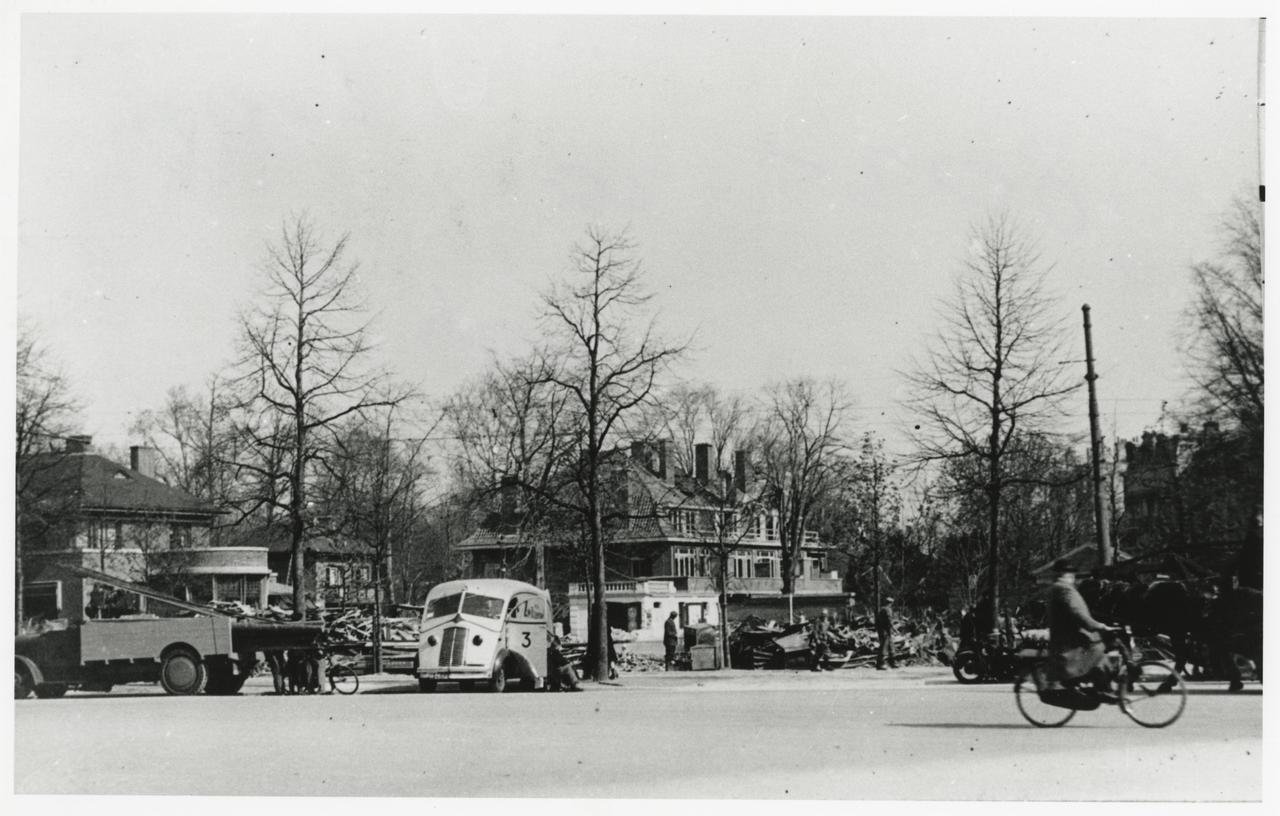
On April 11, 1944, around 2:30 p.m., six De Havilland Mosquito bombers carried out a precision strike on Villa Kleykamp, located on Scheveningseweg in The Hague. This grand white villa, across from the Peace Palace, had housed the National Population Registry Office since 1941. It stored millions of receipts for the German-issued identity cards, including personal data, photos, and fingerprints—making it a major obstacle for resistance groups forging documents.
At the request of the Dutch resistance, the Allies targeted the building to destroy this shadow registry and ease document forgery efforts. While the villa was completely destroyed, most of the receipts survived the bombing and fire. Many documents lay scattered in the ruins. Members of the Air Raid Protection Service—some active in the resistance—managed to recover stacks of papers, keeping them from German hands.
The human cost was heavy: over sixty people died and many more were injured. More than a hundred staff members were inside the building during the attack. Rescue operations continued for a week, with the last victim recovered seven days later.
The blast also damaged buildings along Laan Copes van Cattenburch (now Burgemeester van Karnebeeklaan) and hit the nearby Alexander Barracks, used by the German Ordnungspolizei. Shattered windows were reported across the neighborhood.
Though the intended impact on the German registry was limited, the bombing marked a brave effort to undermine Nazi control and support resistance activities.
Any feedback for this story?