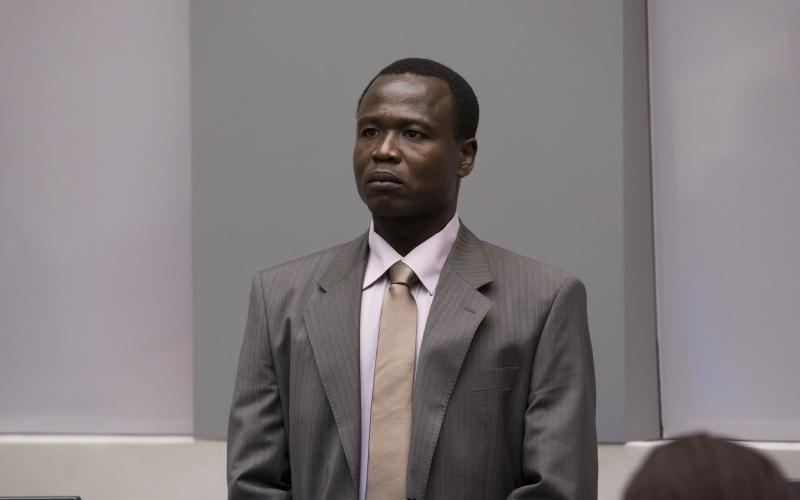
Convictions at the ICC
The International Criminal Court (ICC), based in The Hague and established in 2002, was founded to prosecute the world’s most serious crimes: genocide, war crimes, and crimes against humanity. Yet despite its lofty mission, the court has delivered only a limited number of convictions, drawing criticism for its high costs and lack of tangible results.
Many perpetrators, such as Taliban members, remain beyond its reach due to limited resources and political challenges. Between 2012 and 2021, the ICC handed down five major convictions, all related to crimes committed in Africa.
The first was in 2012, when Congolese warlord Thomas Lubanga was found guilty of recruiting child soldiers — a crime that left lasting scars in Congolese communities. He was followed by fellow Congolese commanders Germain Katanga and Bosco Ntaganda.
In 2021, a landmark case concluded against Dominic Ongwen, a former child soldier from Uganda who became a commander in the Lord’s Resistance Army (LRA). He was convicted on 61 counts, including forced pregnancy — the first time this charge was brought before the ICC.
Another key case occurred in 2016, when Malian jihadist Ahmad al Faqi al Mahdi was convicted for destroying cultural heritage in Timbuktu, seen as an assault on Mali’s identity.
Any feedback for this story?