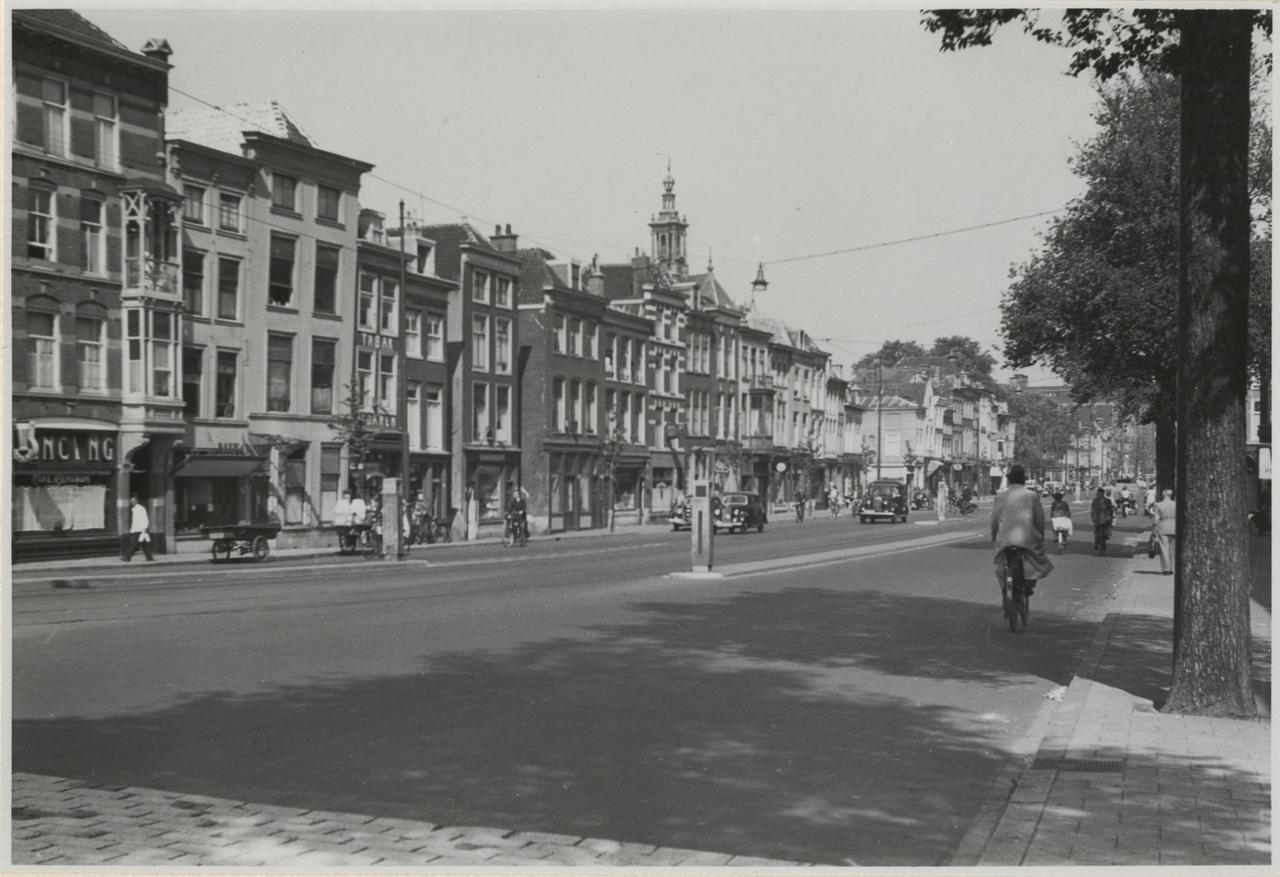
Ecksteins Burger Hotel
In 1889, Heinrich August Eckstein opened his own inn at Spui 281 in The Hague. With a background in hospitality, he offered simple yet affordable lodging to both travelers and locals. During the winter months, the hotel became known for its “ketelvleesch” nights — hearty meals of boiled meat, sausage, sauerkraut, and potatoes. Eckstein soon became one of the city’s most successful entrepreneurs.
By 1895, he had expanded into “Eckstein’s Burgerhotel and Café-Restaurant with Billiards.” A night’s stay cost just one guilder, breakfast a quarter, and drinks were inexpensive. Its accessibility made it popular among both tourists and residents.
Eckstein’s ambitions went beyond the hotel. In 1893, he became a representative of the Genfer-Vereeniging, an international organization that placed staff in hotels and restaurants. He also hosted social events, like an annual masquerade ball. Yet not all went smoothly — in 1894, he suddenly resigned from the organization, likely due to internal disputes.
His entrepreneurial spirit was diverse. Around 1898, he opened a store at Herengracht 6, selling decorative columns and pedestals for events like Queen Wilhelmina’s inauguration. He also imported apple wine from Maastricht, which he sold at bargain prices in his wine cellar at Prinsengracht 4.
The Burgerhotel remained the core of his work until 1914. Afterwards, the building’s purpose shifted several times — from residential space to café, and in the 1960s, to a nightlife venue. There, discotheques flourished with music from the 1970s and 1980s. Eckstein’s spirit of hospitality found a modern life in a new form.
Any feedback for this story?