Furniture Art in The Hague
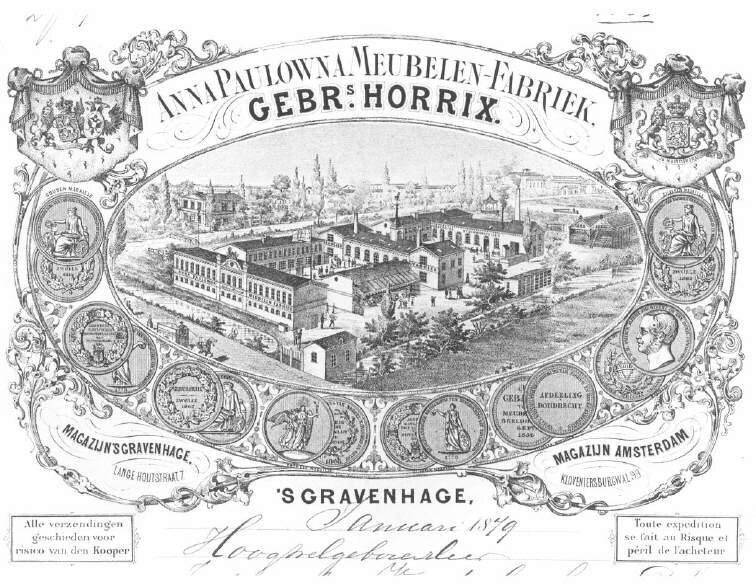
In the eighteenth century, The Hague became home to a thriving tradition of furniture making. One name stood out: Matthijs Horrix, a German immigrant who opened his workshop on Spuistraat. He specialized in luxurious furniture with French influences. His elegant commodes and cabinets found their way into aristocratic homes and remain highly sought after at international auctions today.
The connection between Hague craftsmen and European royal houses was strong. When Louis Napoleon became king of the Netherlands in 1806, he commissioned both French and Hague artisans to furnish palaces such as the Royal Palace in Amsterdam. Craftsmen like Abraham Schick and Eduard Muller created interiors that balanced French elegance with Dutch sturdiness. The House of Orange also turned to these skilled makers for furnishings at Noordeinde Palace and Het Loo.
The nineteenth century brought a wave of innovation. Mutters & Zoon became an internationally renowned furniture manufacturer. In addition to furnishing royal residences and elite homes, they designed luxury interiors for ships and airplanes. One of their most iconic contributions was the interior work on the Titanic, known for its refined craftsmanship.
By around 1850, the Neo-Gothic style came into fashion. Hague furniture makers continued to evolve, creating pieces that were both functional and artistic. Their attention to detail — from intricate wood carvings to complex water gilding — remained a hallmark well into the twentieth century.
Any feedback for this story?