Haagse Hopjes
Who hasn’t heard of them? Haagse Hopjes are more than just candy. Their origin tells a unique tale involving a baron, a baker, and a long-running rivalry. You can still enjoy them today at the charming Haagsch Snoephuis.
The story begins with Baron Hendrik Hop, a diplomat from The Hague who loved coffee. One evening, he forgot his cup of coffee with sugar and cream on the stove. The next morning, he discovered fragrant coffee-flavored caramel chunks. Excited, he asked his neighbor, baker Theodorus van Haaren, to recreate the treat. In 1880, they became officially known as “Haagsche Hopjes.”
The candy soon gained international fame. Not just in the Netherlands, but across European royal courts and even in the Russian tsar’s palace. By 1875, they were being exported in decorative tins to the Dutch East Indies.
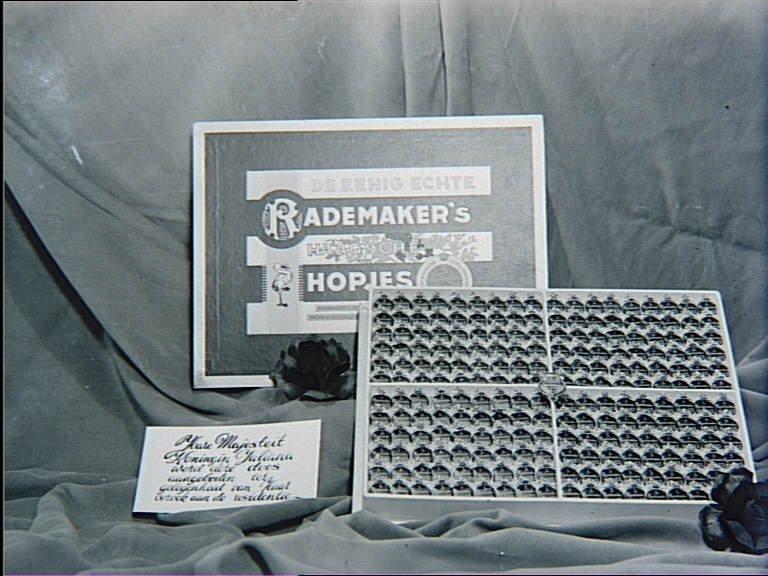
With success came competition. Entrepreneur J.P. Rademaker recreated the recipe and claimed to make the “only real” Hopjes. His version became famous, partly thanks to a clever innovation: printed wrappers, which were quite rare at the time.
The battle over the real Hopje lasted for decades. In 1949, Rademaker bought the company from the original producers’ heirs, yet the dispute continued until 1989. That year, the Advertising Code Commission ruled that Rademaker could no longer claim his Hopjes were the “only real ones” without including the company name.
Any feedback for this story?