Hollandsche Nieuwe!
The term ‘Hollandse Nieuwe’ instantly evokes the spirit of a cherished Dutch tradition. This young herring, caught in early summer, is known for its soft, salty flavor and careful preparation. Immediately after the catch, the fish is ‘gibbed’—its gills and entrails removed, but the pancreas left intact to release enzymes that naturally tenderize the meat. It’s then lightly salted to preserve its delicate taste.
The name ‘maatjesharing’ comes from ‘maagdenharing,’ meaning virgin herring, referring to fish that haven’t yet developed roe or milt. This makes it especially tender and ideal for eating raw. It’s often served with finely chopped onions and sometimes a pickle, though purists prefer it plain to fully appreciate the flavor.
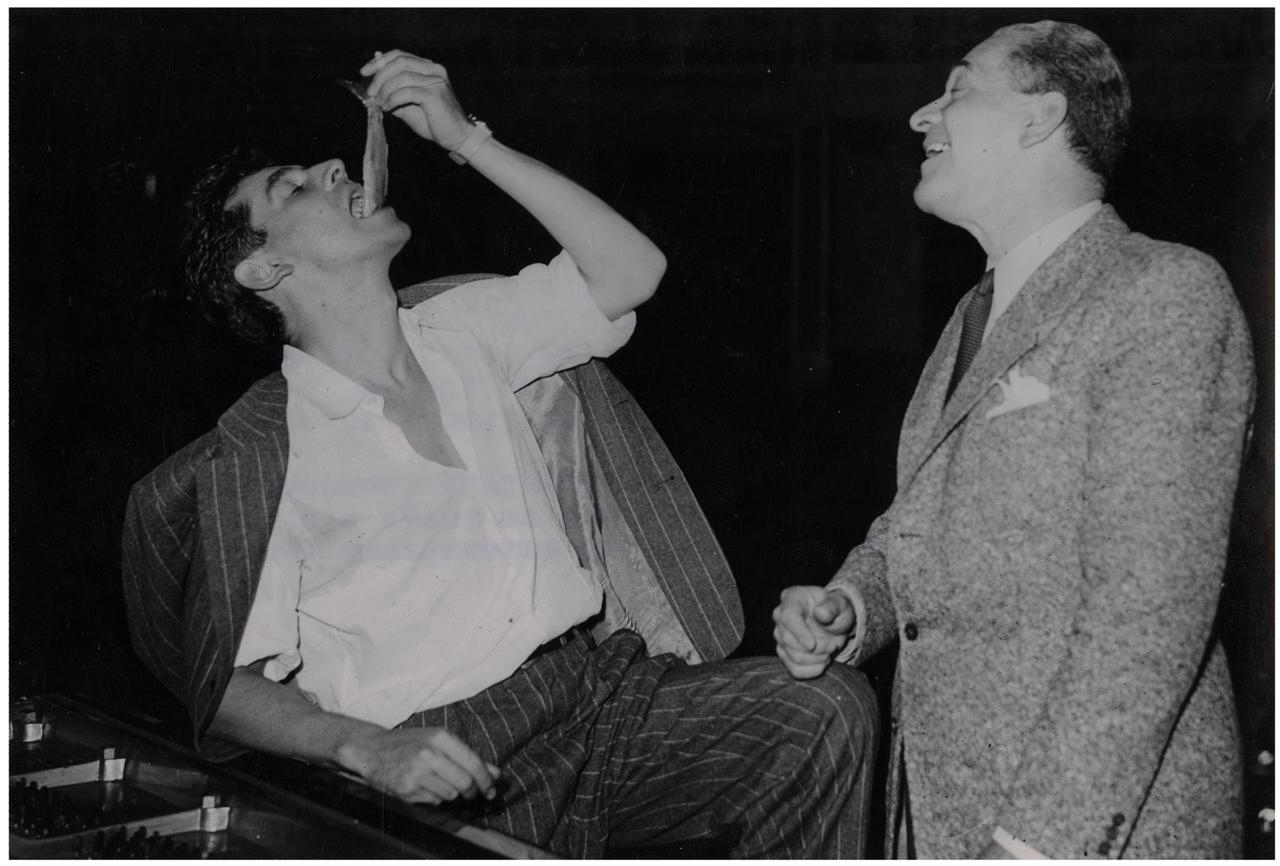
The most traditional way to enjoy it is the ‘herring bite’: hold the fish by the tail, tilt your head back, and let it slide in with one smooth motion. For many Dutch people, this is more than eating—it’s a ritual that evokes pride and a sense of tradition.
A highlight of the year for herring lovers is Vlaggetjesdag, the festive launch of the herring season. In towns like Scheveningen, boats are decorated, music fills the streets, and visitors taste the first Hollandse Nieuwe. The day celebrates not just the fish, but also the Netherlands’ rich maritime history and fishing communities.
Any feedback for this story?