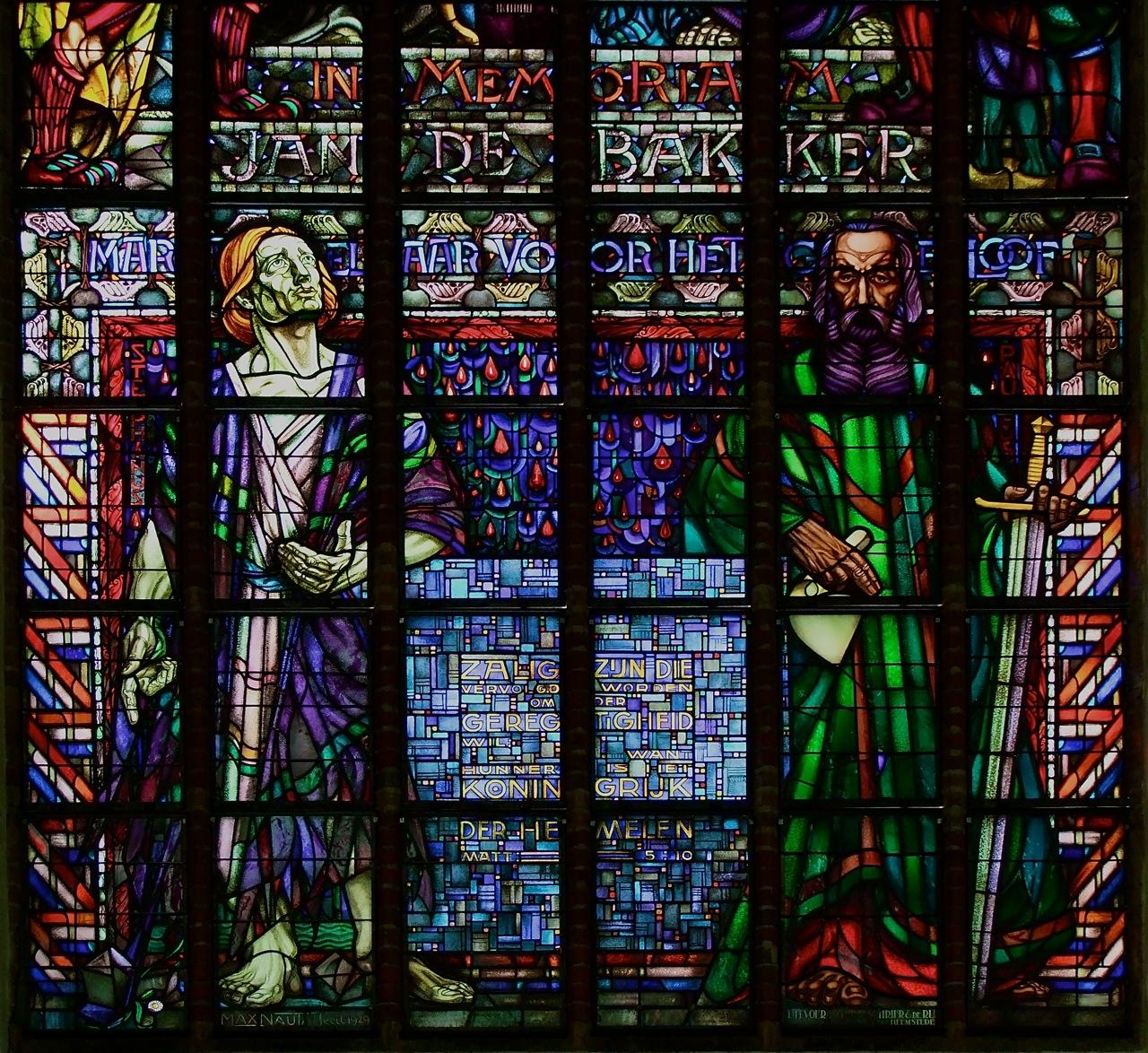
Jan de Bakker
The 16th century was a time of great upheaval in Europe. Old certainties were challenged, and new ideas spread rapidly. One of the first voices to rise against religious oppression in the Netherlands was Jan Jansz., better known as Jan de Bakker.
Inspired by Martin Luther, who launched the Reformation in 1517 with his 95 Theses, Jan began spreading reformed ideas as a young priest. Educated in Leuven, he was influenced by Erasmus and later Luther. He preached in Jacobswoude and Woerden, advocating for personal faith and criticizing church practices like the sale of indulgences. When he secretly married and worked as a baker to support his mission, he drew the attention of church authorities.
In 1525, Jan was arrested and imprisoned in the Gevangenpoort in The Hague. He refused to renounce his beliefs. At the Prinsenhof, in the presence of Regent Margaret of Austria, he was executed. A band around his neck and a charge of gunpowder ensured a quick death. His martyrdom left a powerful impression and inspired others to resist oppression.
His legacy lived on in the teachings of reformers like John Calvin, who developed an even more radical form of Protestantism. Tensions between Catholics and Protestants escalated, culminating in events like the Iconoclastic Fury of 1566. This marked a turning point in Dutch history and led to the Eighty Years' War for religious and political freedom.
Any feedback for this story?