Nieuwe Kerk
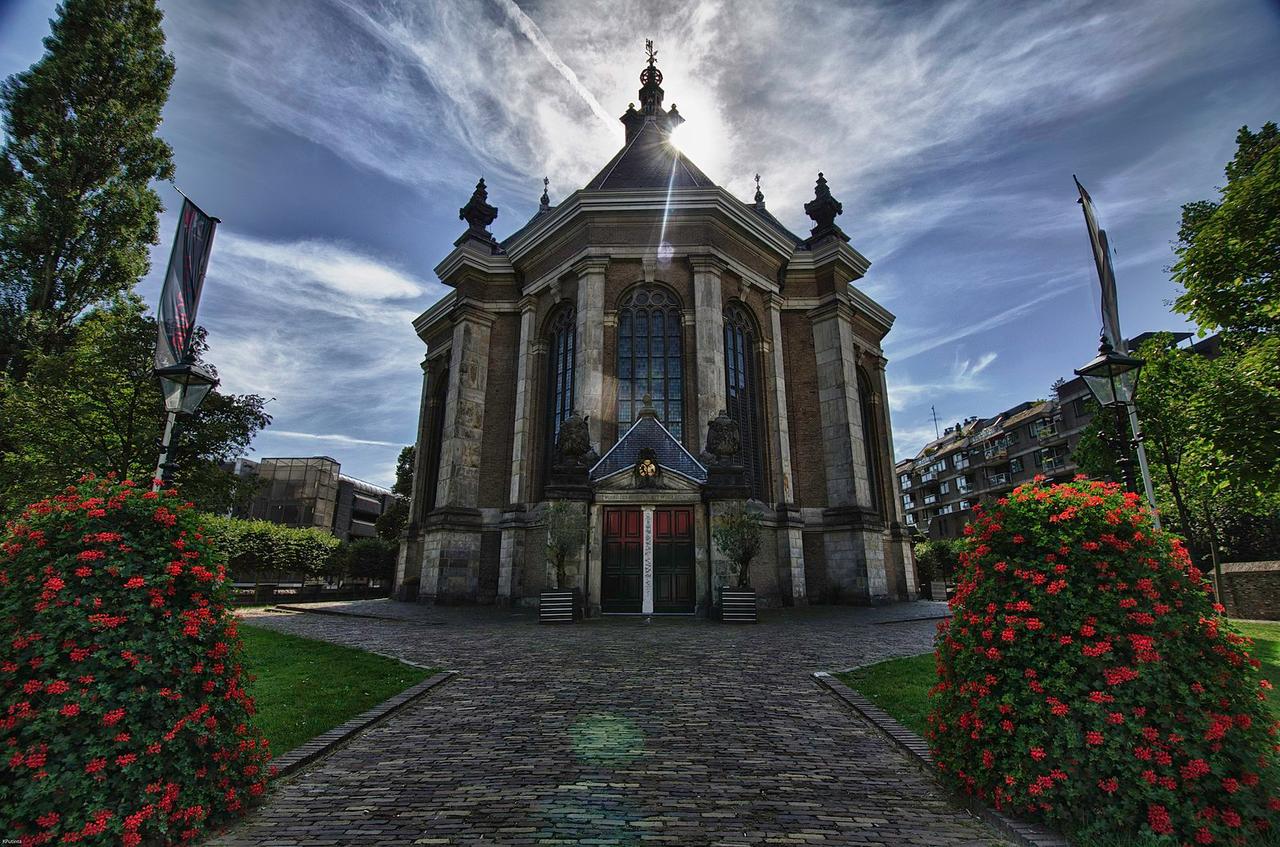
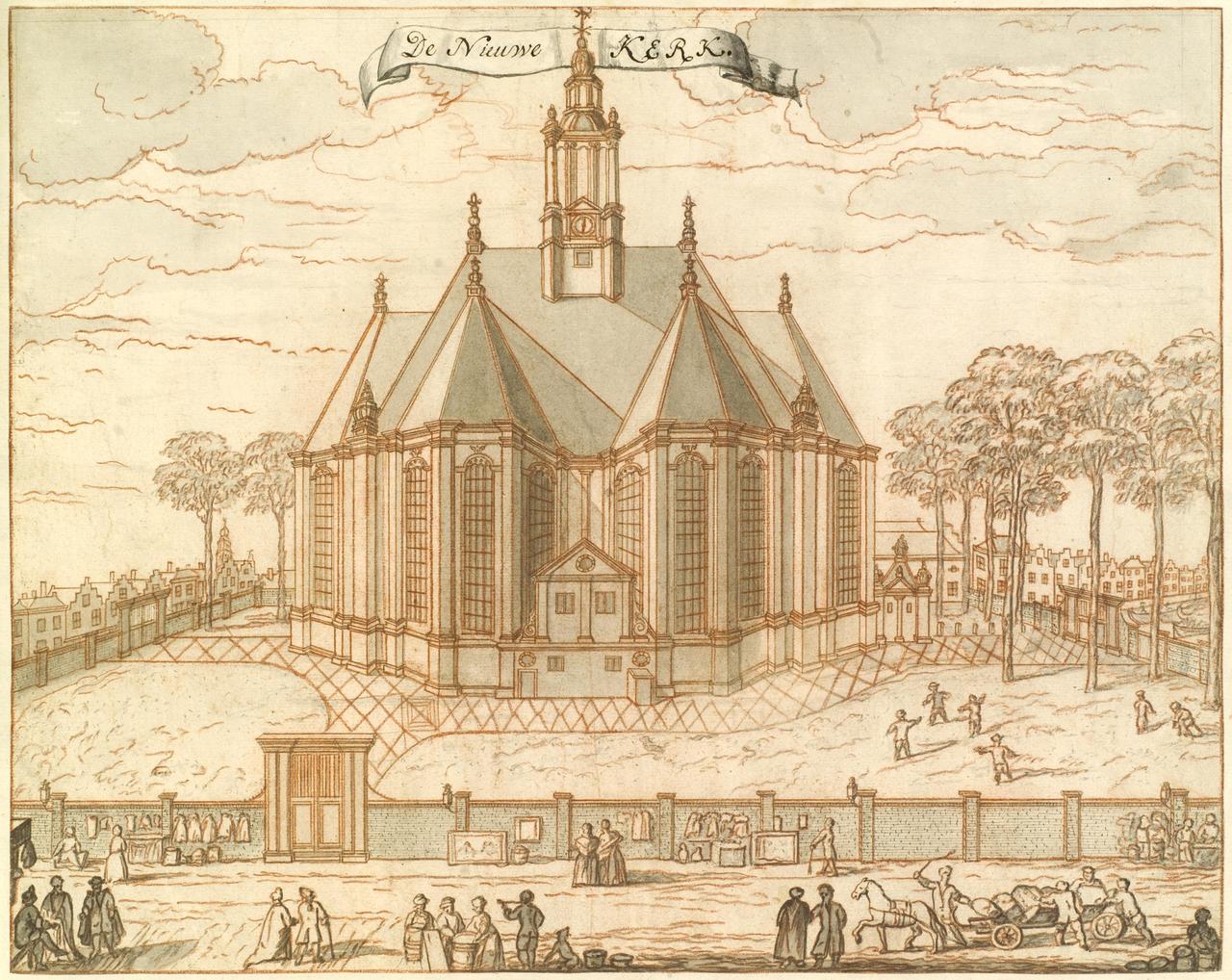
The Nieuwe Kerk was built between 1649 and 1656, at a moment when The Hague was transforming itself into a true seat of power. It was the city's first church designed from the ground up as a Protestant place of worship, which tells you something about the era it was born into. At the time, it stood on an island, surrounded by four canals, making it a landmark you could approach from almost any direction.
Over the centuries, the church has worn many identities. It remains a place of worship, but it also opens its doors as a concert hall, where the old stone walls carry music in ways that feel almost unfair to ordinary venues. In 1990, it was officially recognized in the Top 100 of the Dutch Heritage Agency, cementing its place in the country's cultural memory.
But perhaps the most quietly remarkable thing about this building is who is buried beneath it. The philosopher Benedictus de Spinoza rests here, a man whose ideas helped reshape European thought and laid groundwork for the Enlightenment. A revolutionary thinker, buried in a church. Somehow, the tension in that detail suits him perfectly.
Any feedback for this story?