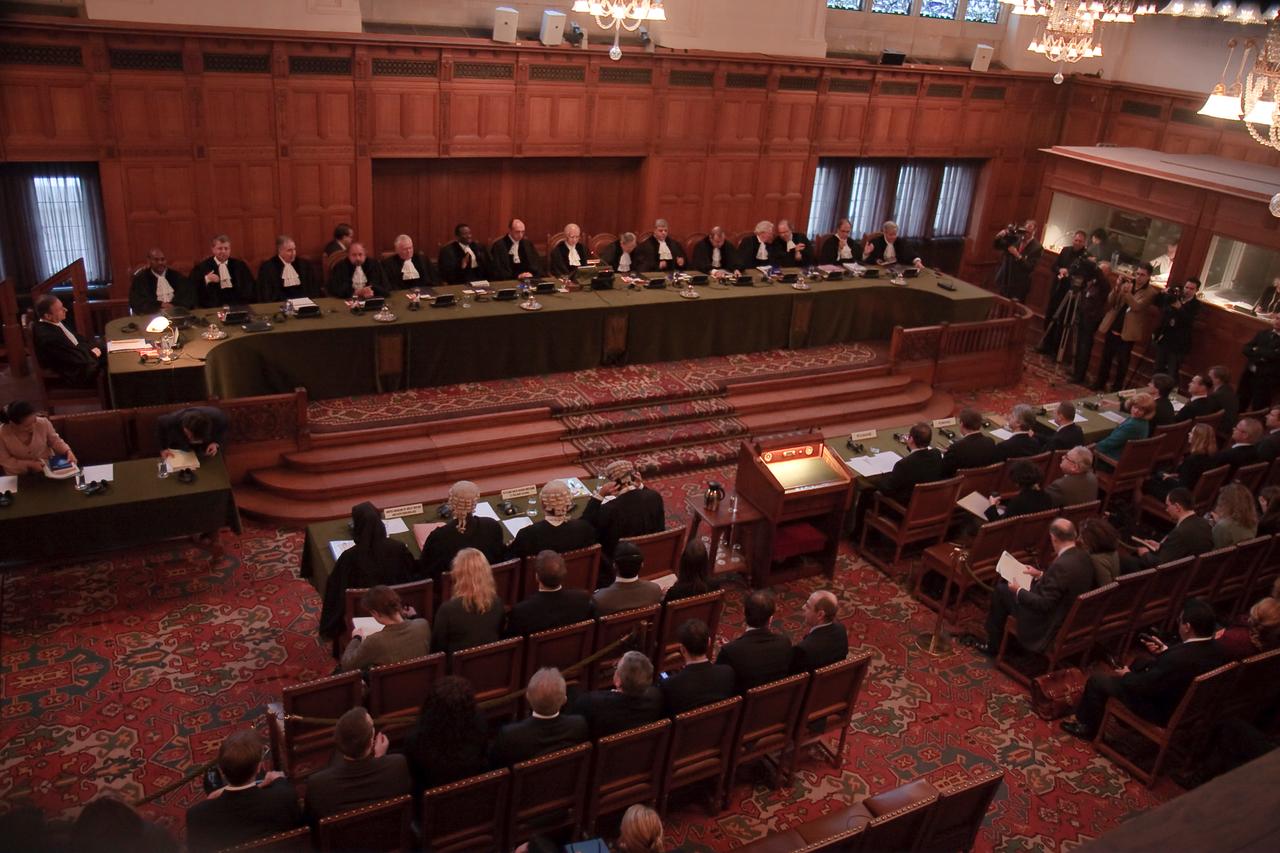
Notorious cases in the Peace Palace
For over a century, the Peace Palace in The Hague has been the stage for international legal disputes with far-reaching global consequences. Several landmark rulings by the International Court of Justice (ICJ) continue to shape world politics today.
One notable case involves South West Africa, now Namibia. After World War II, South Africa refused to administer the territory under UN supervision. In 1950, the ICJ issued an advisory opinion supporting the UN. Still, South Africa persisted, enforcing apartheid. In 1971, the ICJ ruled South Africa’s presence in Namibia illegal—adding pressure on the apartheid regime.
Another high-profile case occurred in the 1980s between Nicaragua and the United States. The U.S. supported armed groups trying to overthrow Nicaragua’s socialist government and mined its harbors. In 1986, the ICJ ruled these actions illegal. The U.S. refused to pay damages, straining international relations for years.
Finally, in 2004, the ICJ ruled that Israel’s construction of a barrier in occupied Palestinian territory violated international law. It called for the wall’s dismantling, but the ruling remains unheeded—contributing to ongoing Middle East tensions.
These cases highlight how ICJ rulings echo across decades—even when not immediately enforced.
Any feedback for this story?