Radio Idzerda
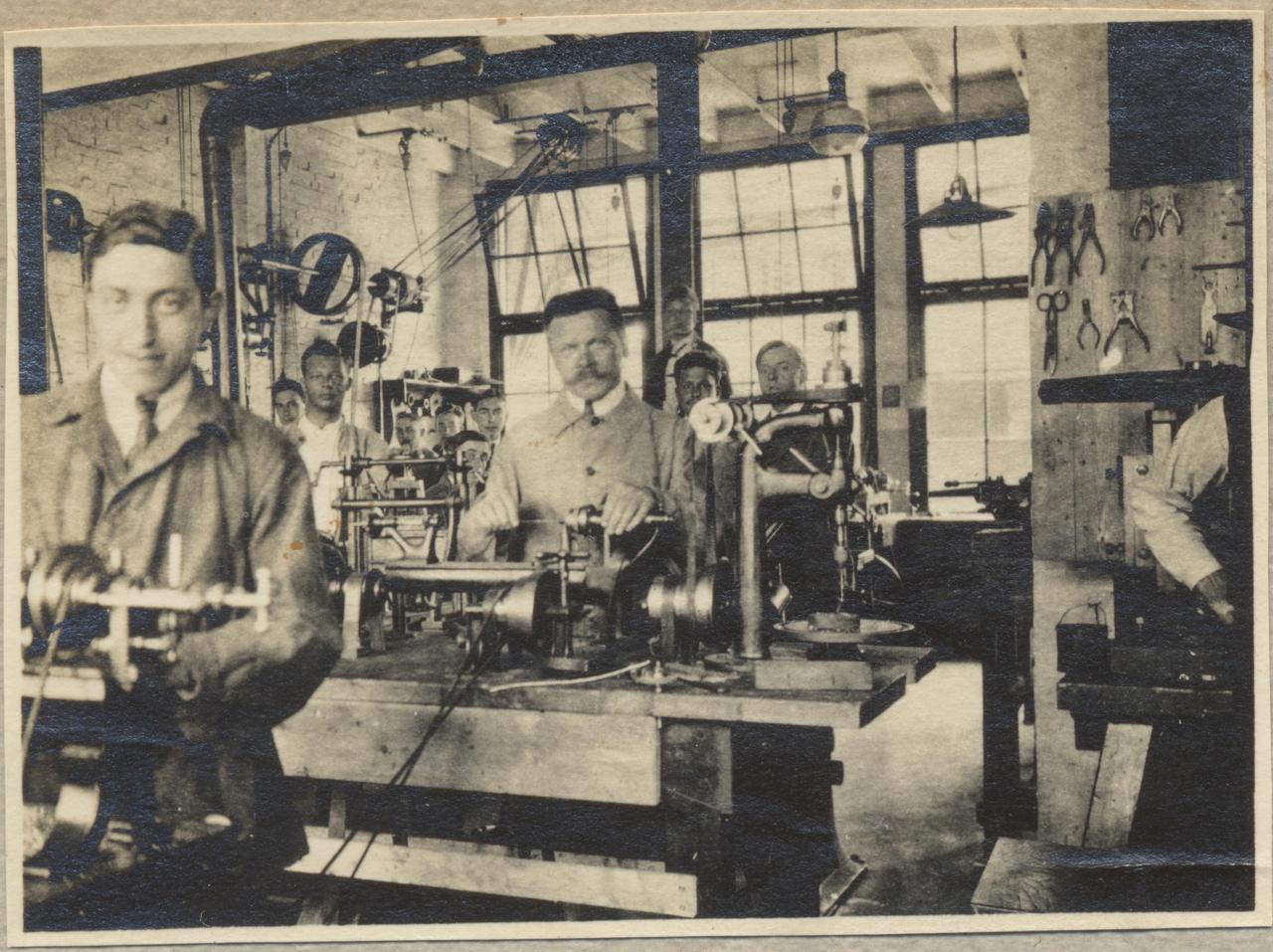
Hanso Idzerda, a Dutch engineer with an exceptional talent for innovation, changed the way people could experience information and entertainment. Born in 1885 and from a family of doctors, Idzerda chose an engineering career. After studying at the Rheinisches Technikum in Bingen, he settled in Scheveningen, where he specialised in the application of electricity. His collaboration with Philips brought a revolutionary breakthrough: transmission and reception tubes that made it possible to transmit spoken word wirelessly.
In 1919, Idzerda gave a demonstration that amazed the world. During the Jaarbeurs in Utrecht, he showed how speech could be transmitted over 1,200 metres. This experiment made it clear that wireless communication did not have to be limited to morsesignals only. Shortly afterwards, on 6 November that year, he organised the very first radio broadcast for the general public from his home on Beukstraat in The Hague. With the programme ‘Radio Soirée-Musicale’, he treated listeners to musical pieces such as ‘Peat in your knapsack’ and ‘Ave Maria’. He asked them for reactions and suggestions, which gave the broadcasts a unique interactive character.
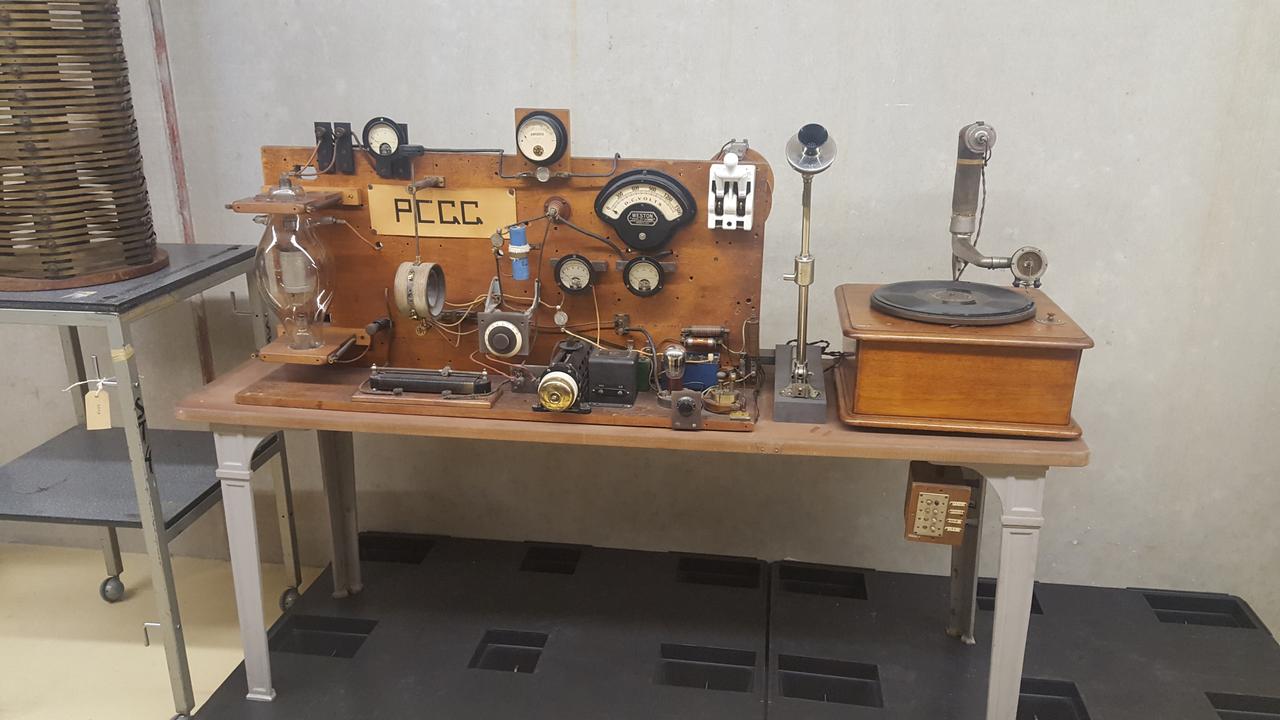
Idzerda's broadcasts attracted attention not only in the Netherlands, but also far beyond. Until 1924, he provided regular radio broadcasts, often with live performances by orchestras and singers. His broadcasts of the famous Kurhaus concerts in 1924 were a technical tour de force, with music being sent directly from the Kurhaus to his studio via cable. But the high cost of this ambitious project eventually proved fatal to him. In 1925, Idzerda had to declare his company, the ‘Nederlandsche Radio-Industrie’, bankrupt.
Although he kept trying to set up a new company, he did not succeed. Disappointed, he donated his equipment to the Postal Museum in 1940, where it later became part of the collection of the Netherlands Institute for Sound and Vision.
During World War II, one day in November 1944, Idzerda's life changed abruptly. After the impact of a V-2 rocket near his home on Parkweg in The Hague, he went outside to pick up a shrapnel. A German soldier saw this and accused him of spying. That same day, he was executed.
Any feedback for this story?