Rowing Club De Laak
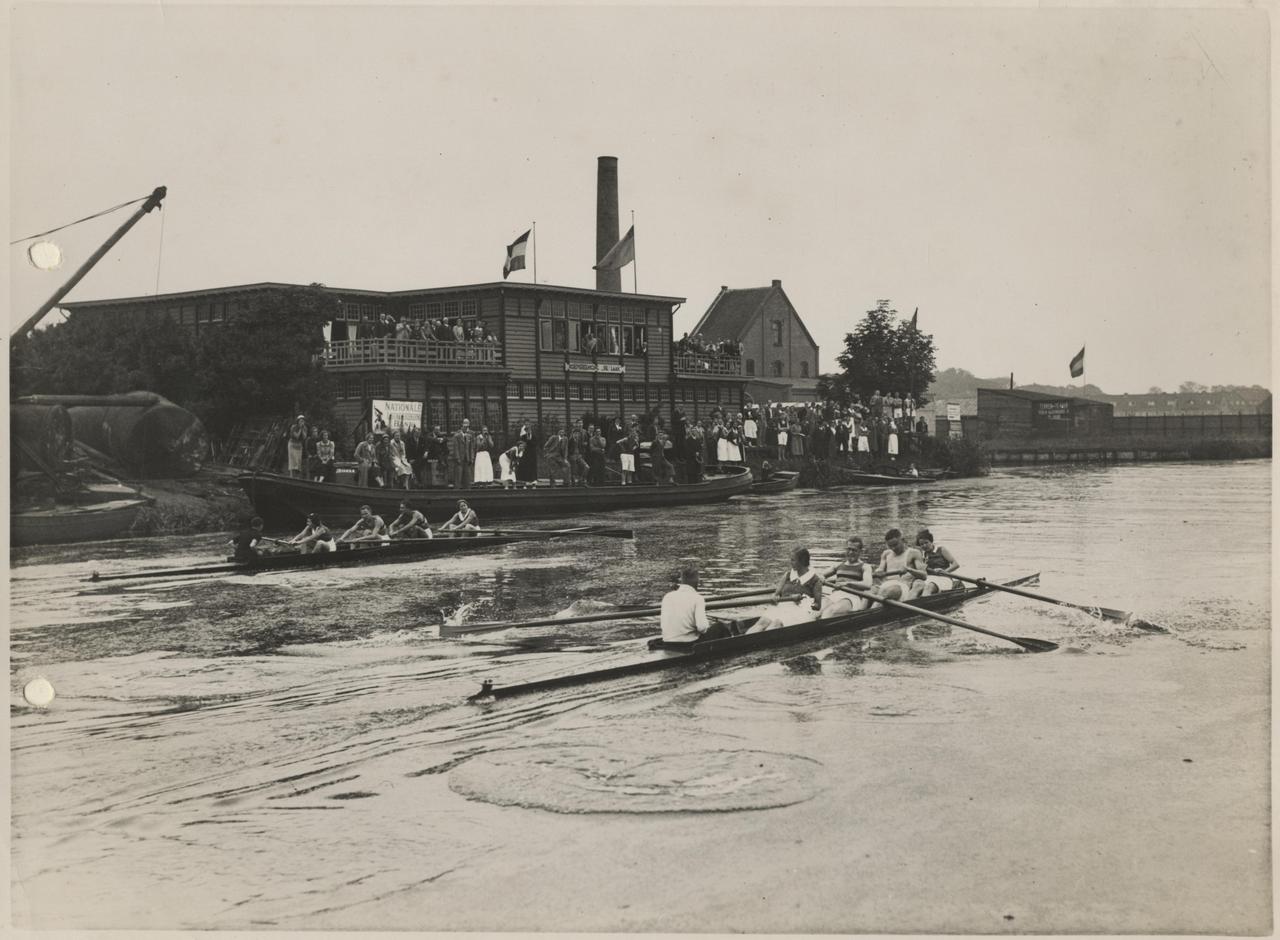
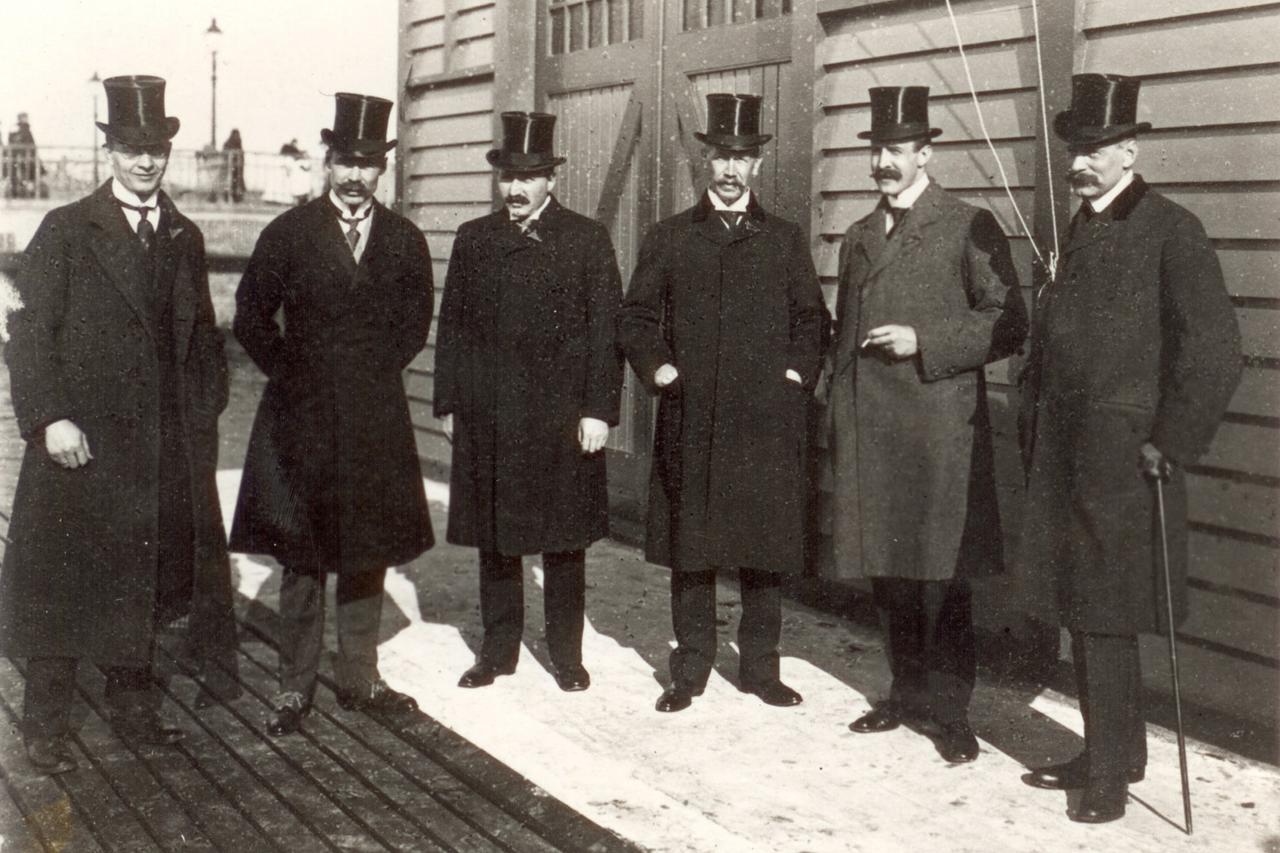
On December 29, 1911, a group of sports enthusiasts in The Hague founded rowing club De Laak. The founding meeting was held at café Princess’ Gardens, located on the corner of Kneuterdijk and Hartogstraat. The club started with wooden boats stored in simple sheds along the Laakhaven. Its yellow-green emblem with a black stripe symbolized the water they rowed on.
In 1920, De Laak moved to a modern clubhouse on the Trekvliet at Binckhorstlaan. The new location offered more space and better facilities, allowing the club to professionalize. Between 1930 and 1931, they constructed an innovation: a large indoor training tank nicknamed “the Tobber.”
The Tobber was an ingenious solution for rowers to practice technique regardless of outdoor conditions. Under the leadership of chairman Jan van Bûuren van Heyst, a concrete tank over eight meters wide and 90 centimeters deep was built. A rotating paddle wheel created a current, simulating real water movement. At the time, it was a unique feature in the Netherlands.
The Tobber was heavily used and helped De Laak rowers improve their skills to compete at national and international levels, earning the club a strong reputation.
In the 1960s, membership soared, but that also brought challenges. The Tobber’s water often became dirty, and decades of use damaged the structure. In 1983, the board decided to demolish the Tobber — closing a memorable chapter in the club’s history.
Any feedback for this story?