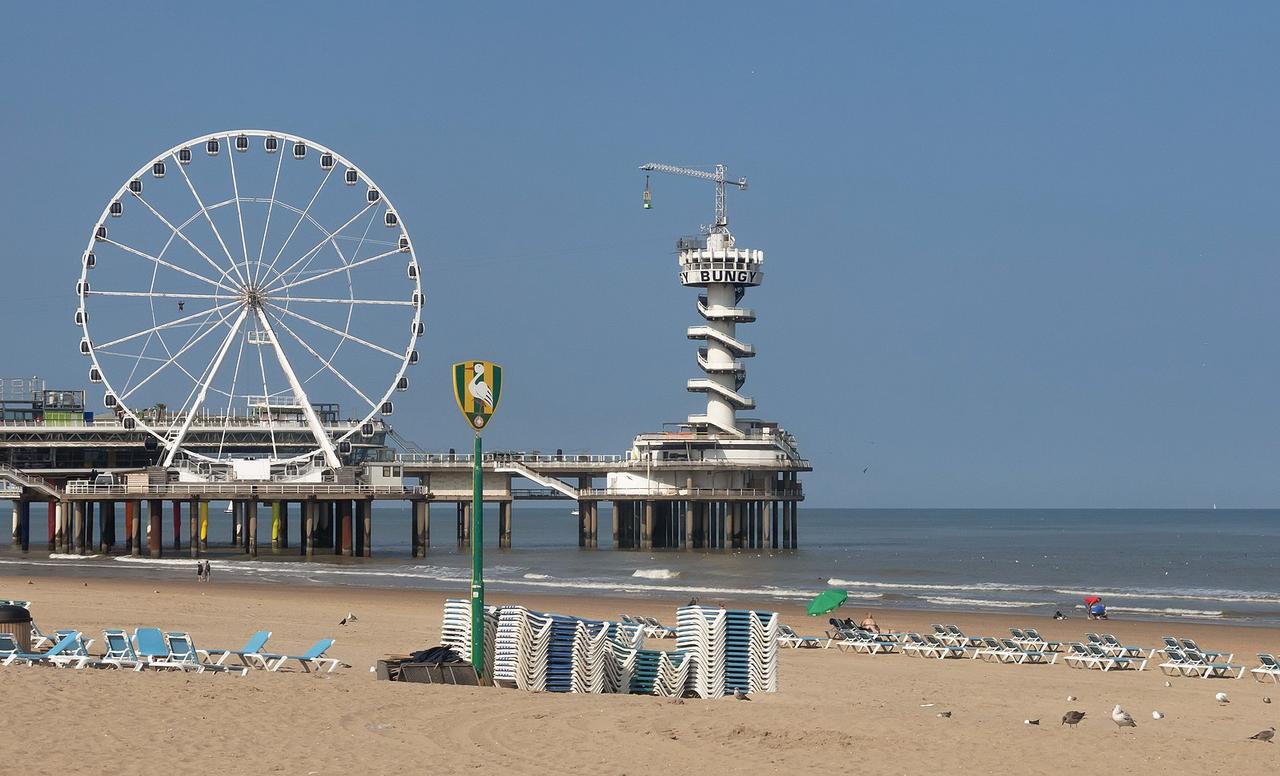
Scheveningen Beach
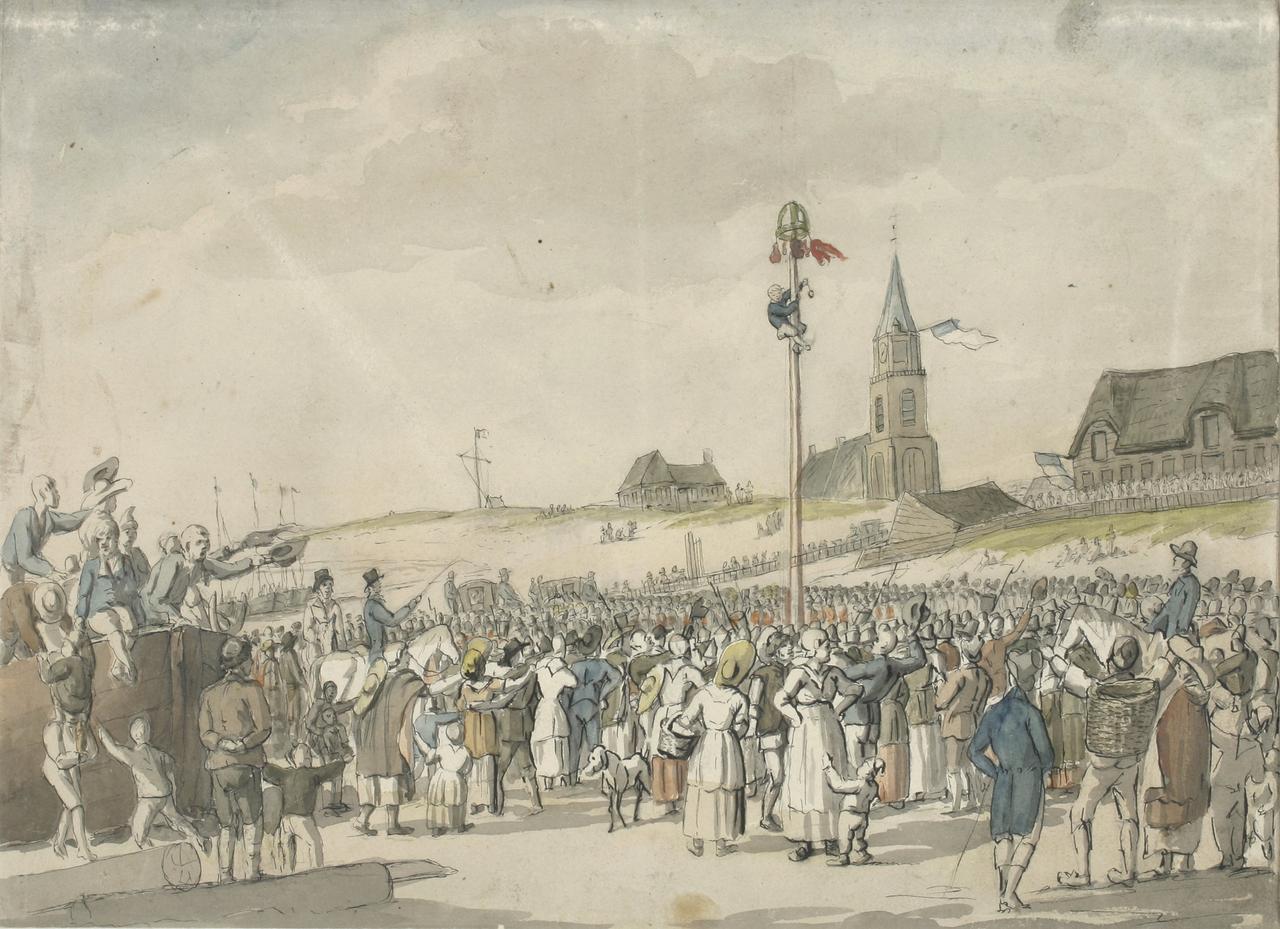
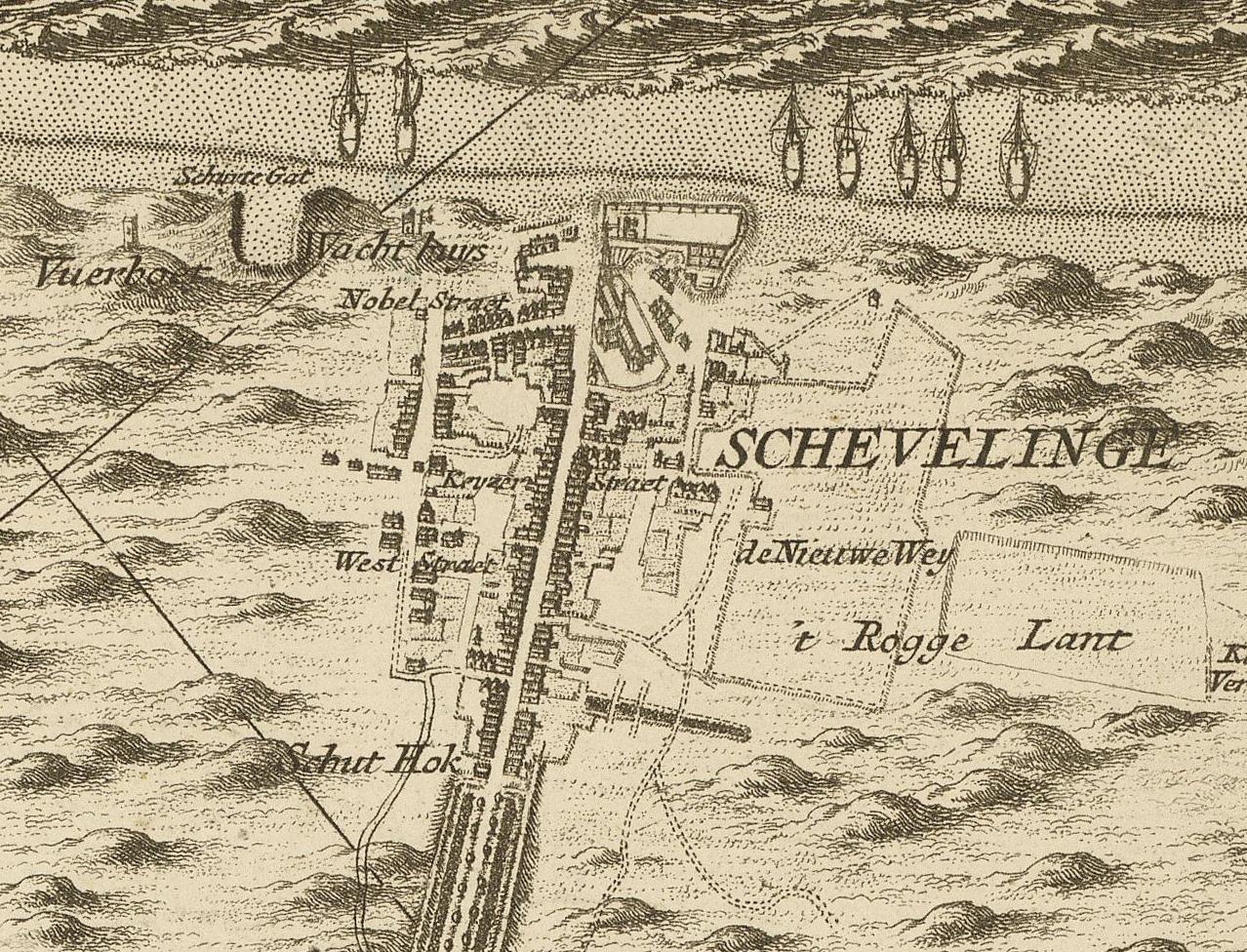
Standing here at the start of this beach walk, you are standing at the edge of what was once one of the most hardworking corners of the Dutch coast. Around 1800, Scheveningen was little more than a cluster of narrow streets, known by the old name "Terram de Sceveninghe." The people who lived here were fishermen and their families, making ends meet in small wooden cottages built to take whatever the North Sea threw at them.
Through the 19th century the village slowly grew, and by the early 20th century something shifted. Tourism arrived, money followed, and Scheveningen reinvented itself as a seaside resort. But that prosperity came with vulnerability.
During World War II, the German occupiers declared Scheveningen a Sperrgebiet, a restricted military zone. Whole blocks were demolished to prevent Allied forces from using the beach as a landing point. If you look carefully around the older parts of the neighborhood, the gaps in the urban fabric still tell that story.
What survived, and thrives to this day, is the fishing culture itself. On Flag Day each year, locals dress in traditional fishing costumes to welcome the first herring of the season. It is cheerful, it is proud, and the herring is frankly excellent.
Any feedback for this story?