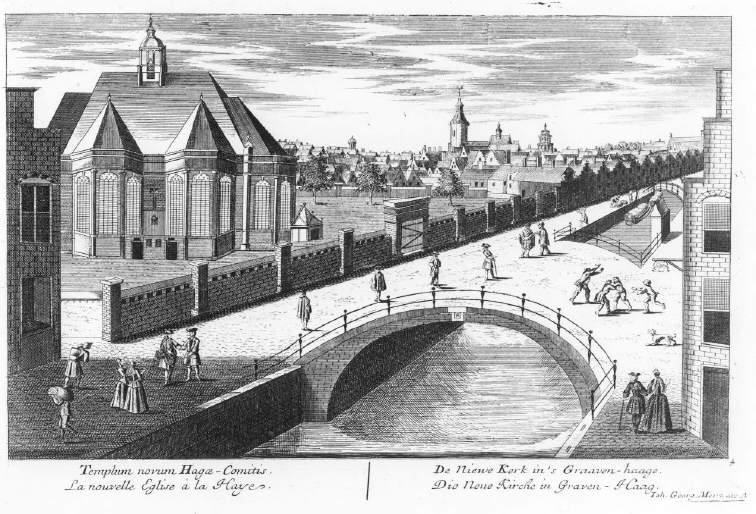
The Canal Belt of The Hague
The canals you see here are among the oldest traces of city planning in The Hague, dating back to the 16th and early 17th century. Unlike the inner-city waterways that once hummed with trade activity along their stone quays, these outer canals, known as singels, formed a protective ring around the city, their banks built up with earthen embankments rather than hard stone.
For centuries, they looked much as they do now. But in the second half of the 19th century, something went badly wrong. As The Hague's population swelled, the city's infrastructure buckled under the pressure. The canals were expected to do two jobs at once: supply drinking water and carry away waste. As you might imagine, that did not end well. The water stank, disease spread, and cholera moved through the city with grim efficiency. The solution, back then, was to simply fill the canals in and be done with it.
Many were lost forever. But the Singelgracht survived, and today it is considered one of the city's most cherished pieces of heritage. There are even plans to restore the flow of water to other historic canals like the Prinsengracht. Apparently, once you've solved the sewage problem, canals become a lot more appealing.
Any feedback for this story?