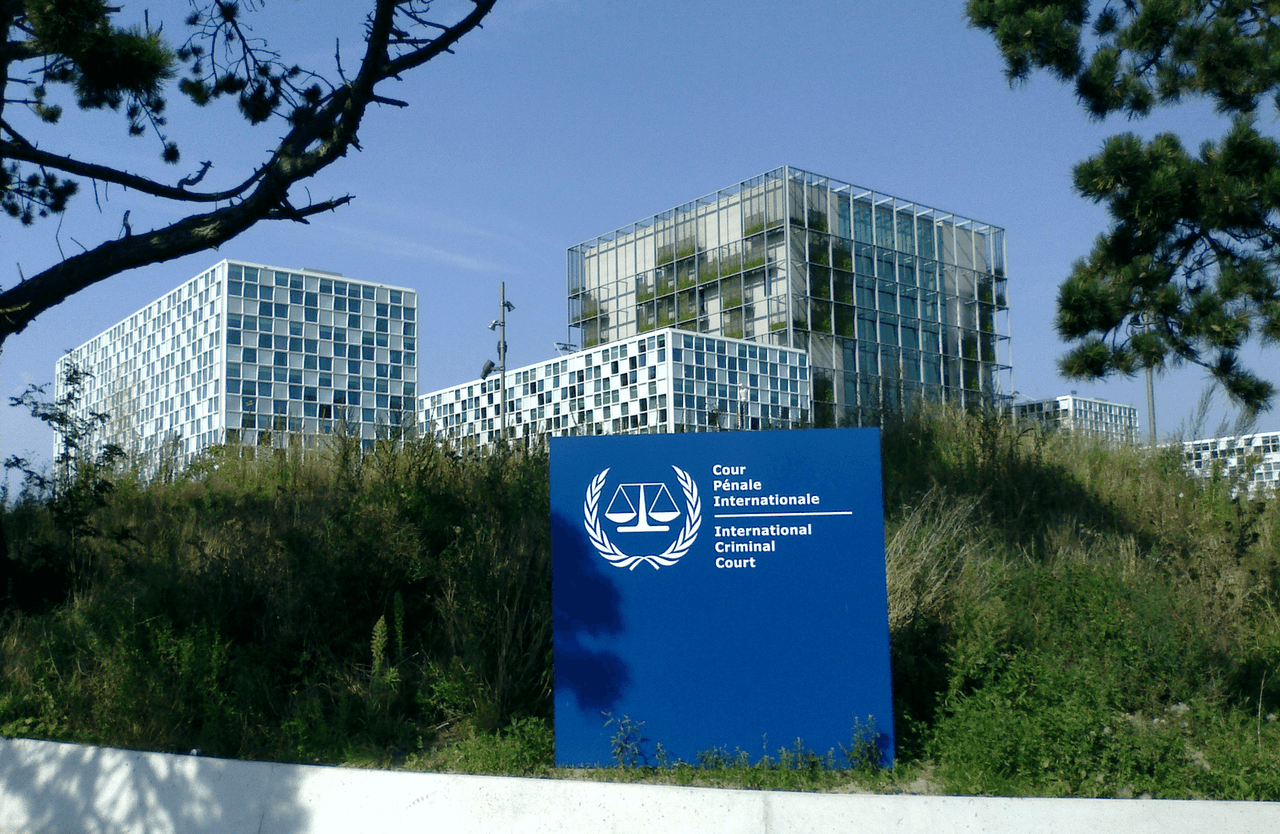
The International Criminal Court
The International Criminal Court (ICC) was established to combat impunity for the most serious crimes against humanity, including war crimes and genocide. Its core mission is to ensure justice, hold individuals accountable, and deter future crimes — all in the interest of global peace and security.
Why is the ICC based in The Hague? The Netherlands has a long-standing reputation in international law and human rights. The Hague is widely known as the "legal capital of the world" and has long hosted numerous international courts and diplomatic institutions. Its neutral, stable environment makes it an ideal location for handling complex and politically sensitive cases. The ICC operates on the principle of complementarity — it steps in only when national legal systems are unwilling or unable to prosecute serious crimes. An independent prosecutor investigates and files charges, and a panel of judges reviews the evidence and delivers a verdict.
The ICC differs from the United Nations' International Court of Justice (ICJ): while the ICC prosecutes individuals for crimes, the ICJ settles disputes between states. Each has a distinct role within the broader system of international law. The Court has already tried and sentenced individuals responsible for major crimes. You can hear more about some of these cases in the Roods app — you might recognize a name or two.
Any feedback for this story?