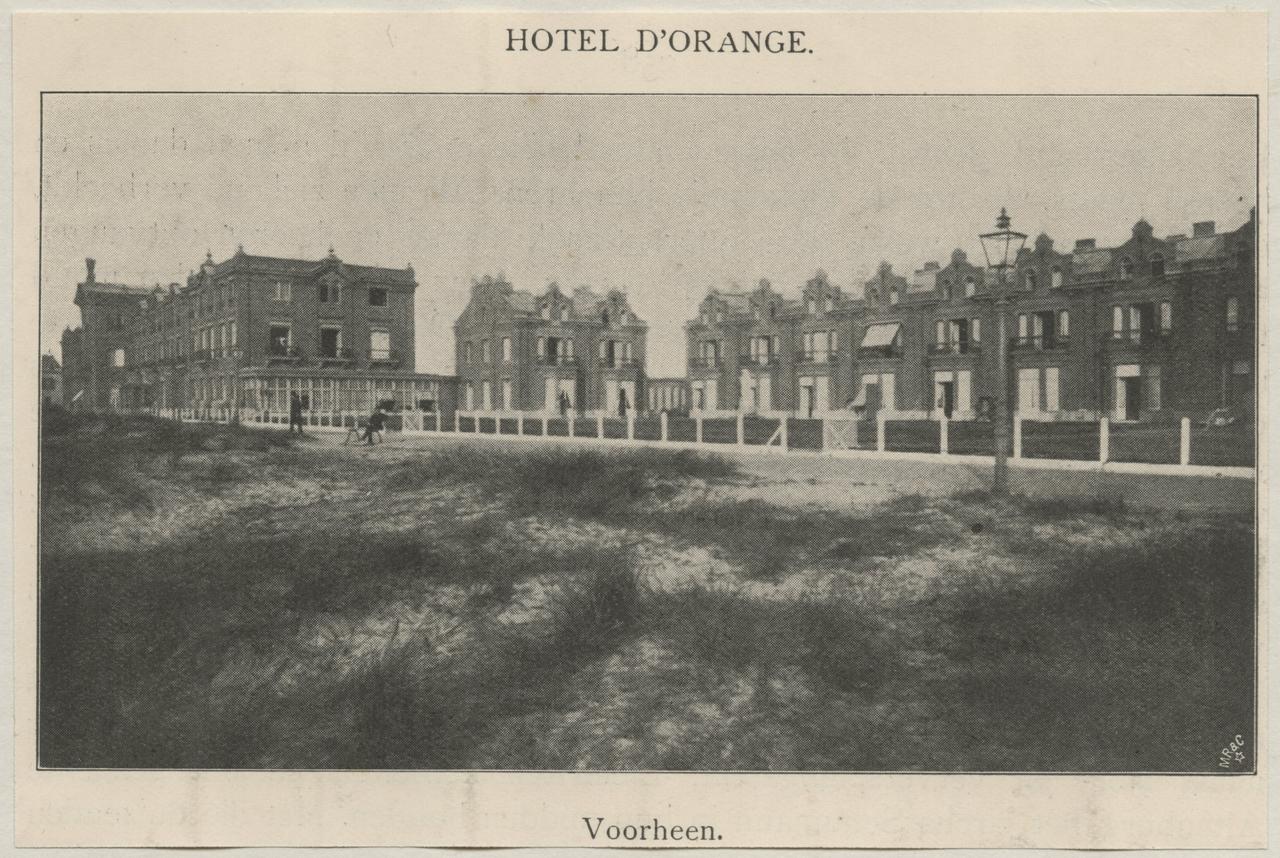
The national monument Oranjehotel
Some places carry an emotional weight you feel the moment you arrive. The Oranjehotel in Scheveningen is one of them. During World War II, this prison earned its nickname as a tribute to the men and women who risked their freedom—and often their lives—in resistance against the German occupier.
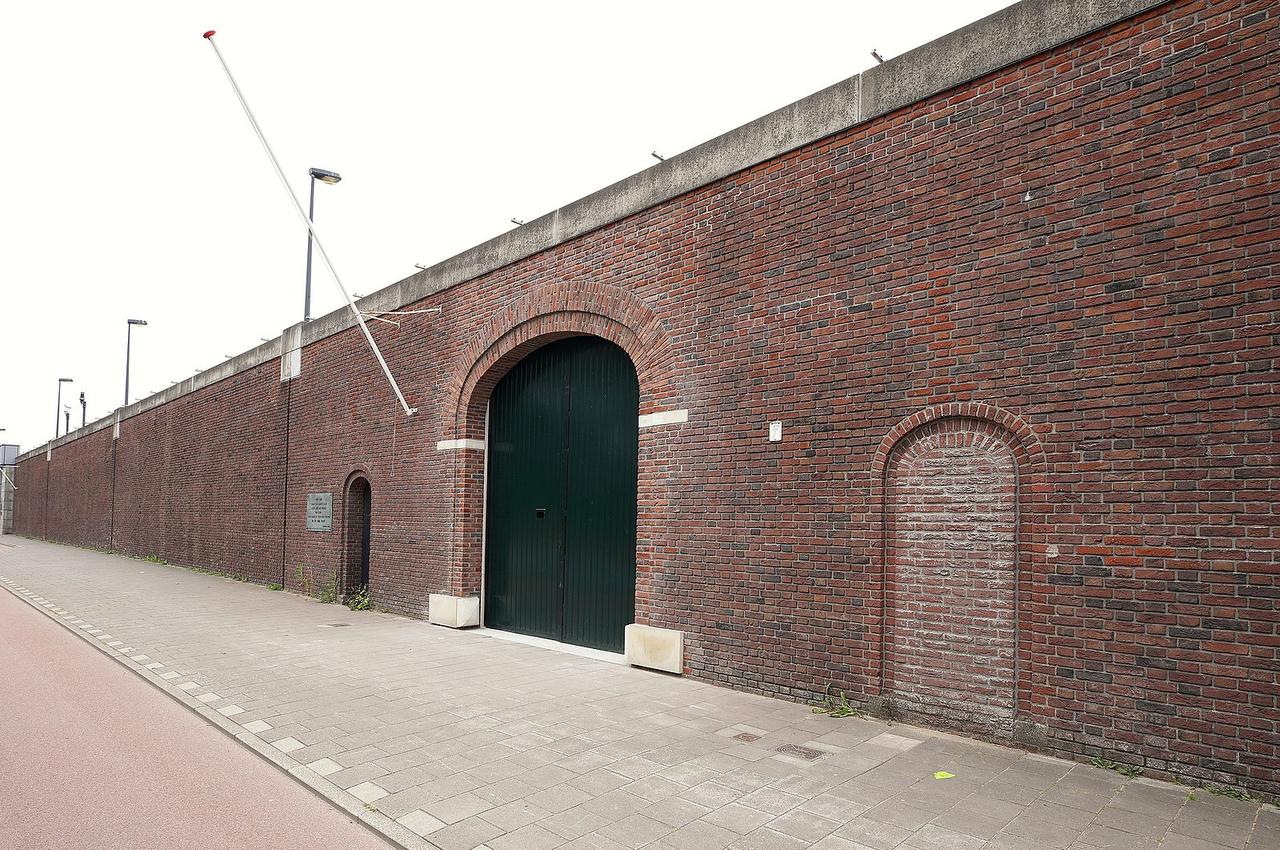
Between 1940 and 1945, more than 25,000 people were imprisoned here: resistance fighters, Jews, communists, Jehovah’s Witnesses, and black market traders—each awaiting interrogation or trial in a time of fear and injustice. Among them was Erik Hazelhoff Roelfzema, famously known as the "Soldier of Orange." But countless others, whose names remain unknown, received the harshest punishments for their quiet acts of defiance. For over 250 prisoners, this place was their final stop. They exited through a low gate on the side, en route to the Waalsdorpervlakte, where their lives were taken.
A plaque near that gate still honors their courage, with the words: Remember their final walk through this low gate, their lives given for freedom and justice. Continue their struggle. In 2009, the prison wing was at risk of demolition, but thanks to dedicated efforts, it was preserved. In 2019, the Oranjehotel reopened as a National Monument. Here, visitors don't just learn history—they feel the emotion, the sacrifice, and the unshakable belief in freedom that still echoes through the walls.
Any feedback for this story?