Zeeheldenquarter
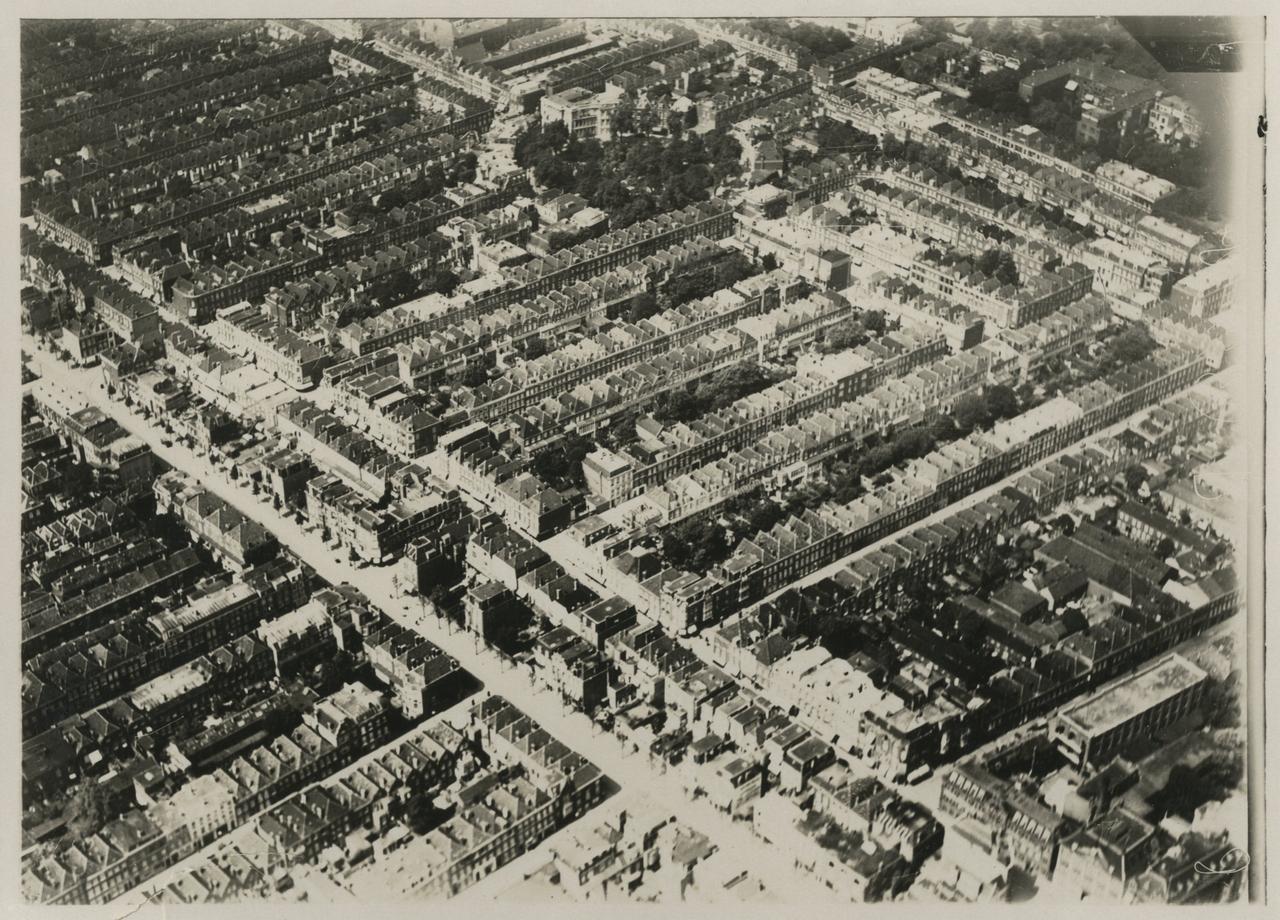
The Zeeheldenkwartier, located just outside The Hague’s historic canals, was born from urban expansion plans in the late 19th century. Following the development of Willemspark, the city aimed to build a second villa district to accommodate its rapidly growing population. Due to the industrial revolution, the population doubled: from around 100,000 in 1875 to 200,000 in 1900, reaching about 300,000 by 1913. Expansion beyond the city’s canal belt became inevitable.
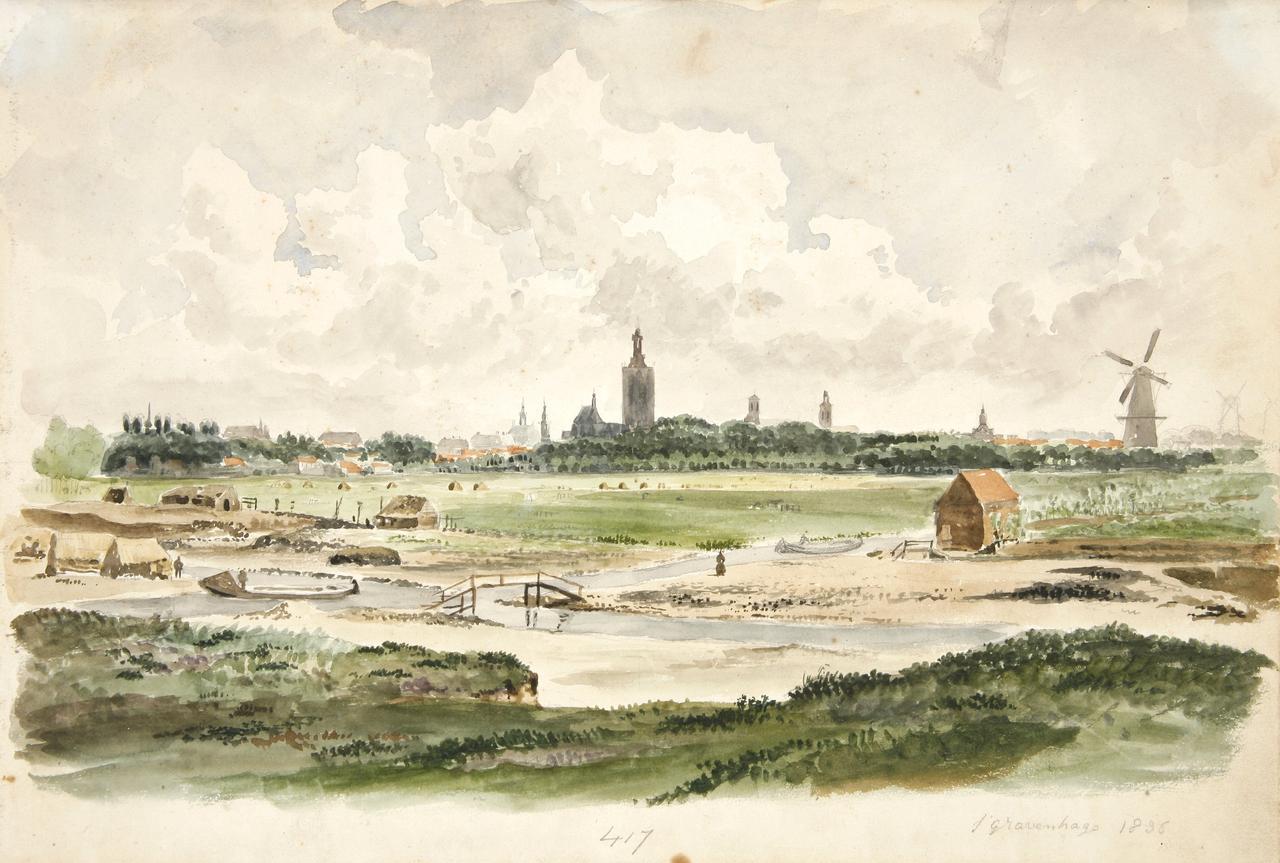
In the 1860s, city planners turned their attention to ’t Kleine Veentje, then a rural area with pastures and country estates. A drawing from 1836 shows how undeveloped it once was. Municipal architect Van der Waeyen Pieterszen designed plans in 1860, but much of the land was owned by Queen Anna Paulowna, widow of King William II, who refused to sell her estate, Rustenburg. After her death in 1865, private developers—faster than the city—bought the land from her daughter, Princess Sophie, and began building what would become the Zeeheldenkwartier.
Named after Dutch naval heroes like Tromp, De Ruyter, and Piet Hein, the neighborhood has grown into a lively area blending historic charm with modern convenience. With boutique shops, art galleries, cafés, and the annual Zeeheldenfestival, the Zeeheldenkwartier reflects both The Hague’s heritage and its continued growth.
Any feedback for this story?