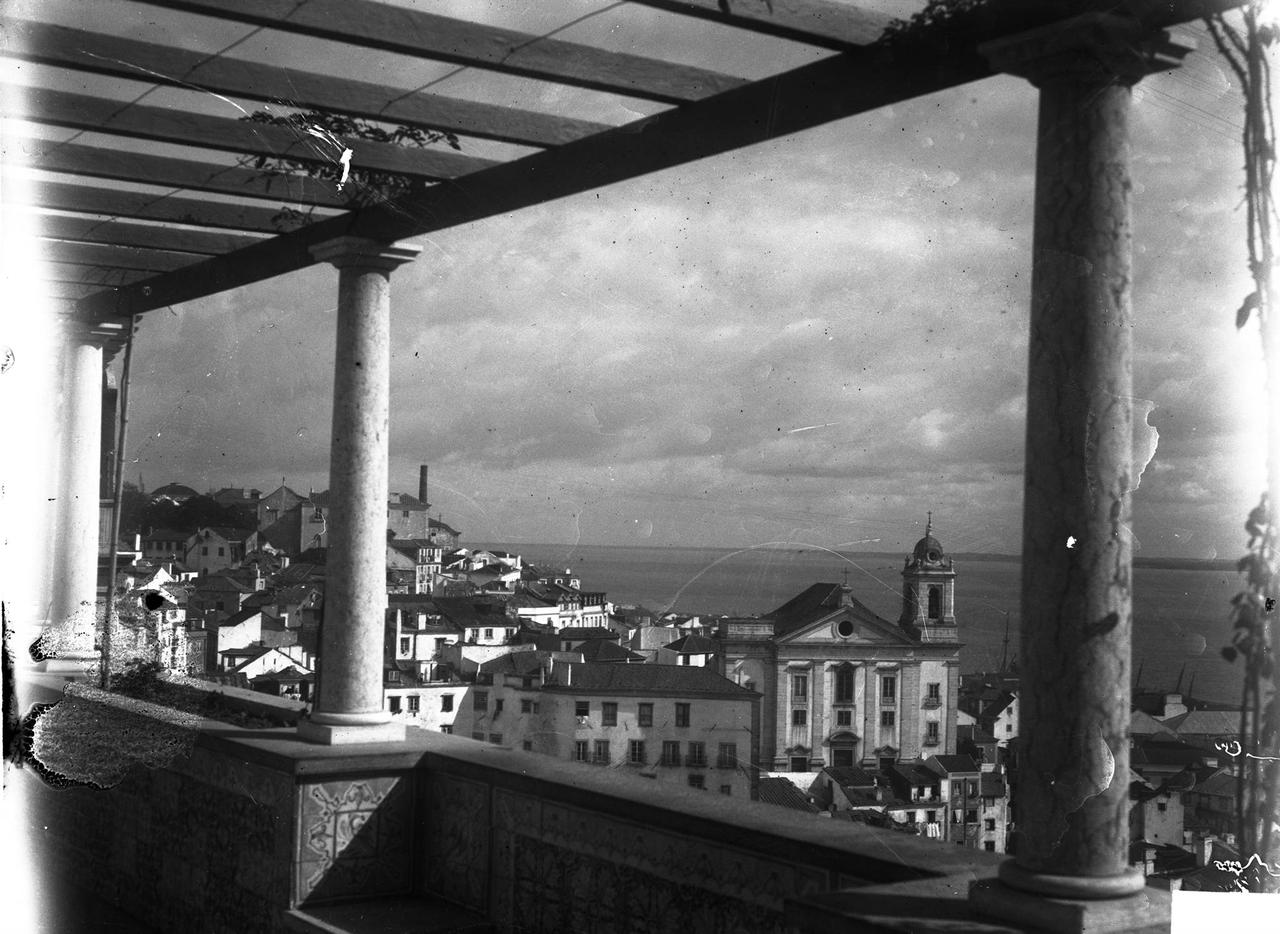
Alfama
You are standing in the oldest neighbourhood in all of Portugal, where cobblestones have witnessed over twelve centuries of history. Between São Jorge Castle above and the Tagus River below, these streets date back to the 8th century when Moorish settlers called this place "al hamma" after the hot springs that once bubbled up from the earth here. On November 1, 1755, at 9:40 in the morning, a massive earthquake destroyed almost everything around you. But not here.
While the rest of the city crumbled into rubble, followed by fires and a devastating tsunami, this neighbourhood survived. The secret was the solid bedrock beneath your feet, which absorbed the shockwaves that flattened buildings elsewhere. The narrow, winding streets surrounding you remain virtually unchanged since Moorish times. After Christian forces took the city in 1147, nobility moved in, then later fishermen and dockworkers as wealth shifted westward.
These alleyways became the birthplace of Fado, that haunting music sung by sailors' wives waiting for their husbands to return from the sea. Beneath these ancient stones lie the remains of a Roman amphitheatre from 57 AD, while the Cathedral rises where a Moorish mosque once stood.
Any feedback for this story?