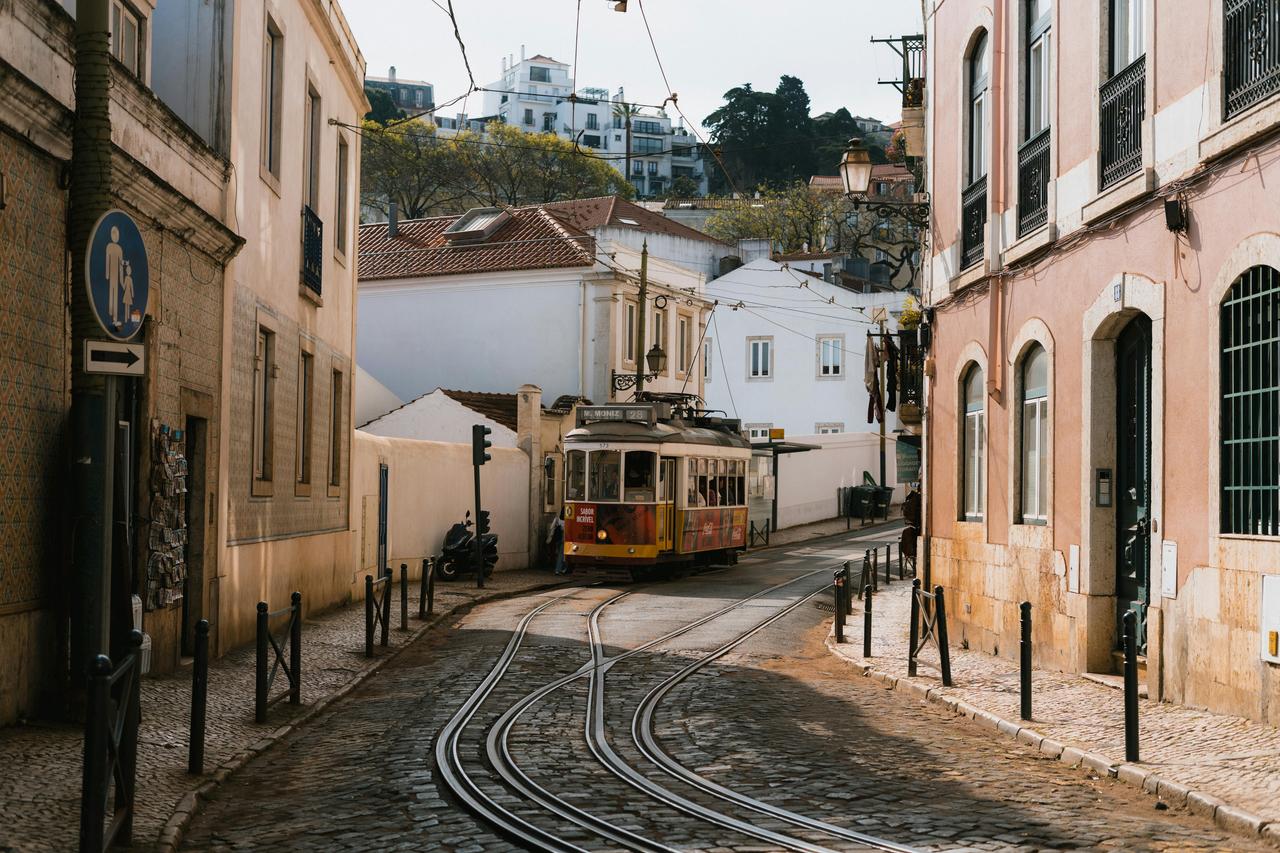
Bairro Alto Nights & Fado
Right here in Bairro Alto, centuries of music and melancholy fill cobbled streets that were laid out in the 16th century to house ship workers when Portugal ruled the seas. This hilltop district holds a secret that transforms with nightfall. From the 1930s onwards, small taverns called casas de fado began opening along these narrow lanes, establishing this neighborhood as the soul of Portugal's most haunting musical tradition. Fado means "fate" in Latin.
Born in the 1820s in the bohemian quarters of the capital, this music emerged from sailors, working class people and courtesans who gathered in taverns and brothels. The distinctive 12 string Portuguese guitar accompanied singers who poured out songs about the sea, lost love and destiny. The melodies express saudade, that uniquely Portuguese feeling of profound longing and nostalgia that defies translation. The golden age arrived between 1940 and 1960.
Amália Rodrigues became the "Queen of Fado," carrying these mournful ballads to audiences worldwide. UNESCO recognized fado as Intangible Cultural Heritage in 2011. Adega Machado opened here in 1937 and still hosts performances where fadistas plant themselves firmly and sing stoically in the face of fate.
Any feedback for this story?