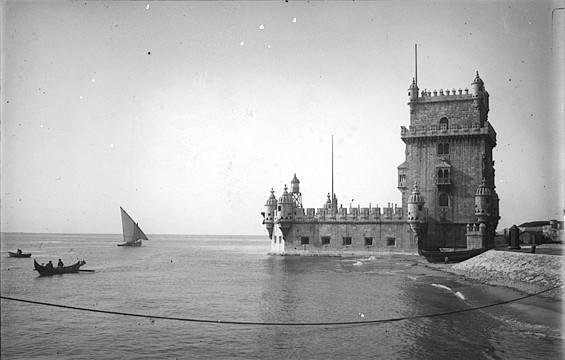
Belém Tower
Take a look at this fortress rising from the Tagus River, a monument that once watched explorers sail toward uncharted waters and defended Portugal's gateway from invading fleets. Belém Tower was built between 1514 and 1520 under King Manuel I as a military stronghold guarding the harbor entrance. Architect Francisco de Arruda, experienced in constructing North African fortresses, designed it on a small rocky island in the river mouth.
This was the very spot where Vasco da Gama departed for his legendary voyage to India in 1497, opening a sea route that transformed Portugal into a global maritime power. The tower's Manueline architecture reveals the nation's seafaring soul. Twisted stone ropes, armillary spheres, and the Cross of the Order of Christ decorate its facade, each symbol representing the voyages that brought riches from distant lands.
Inside, five levels connected by narrow spiral staircases contained a governor's quarters, military rooms, and a rainwater cistern for the garrison. In 1580, Spanish forces captured the fortress after brief combat during Portugal's union with Spain. Over centuries, it served as customs post, prison, and lighthouse before becoming a UNESCO World Heritage Site in 1983.
Any feedback for this story?