Carmo Convent & Museum
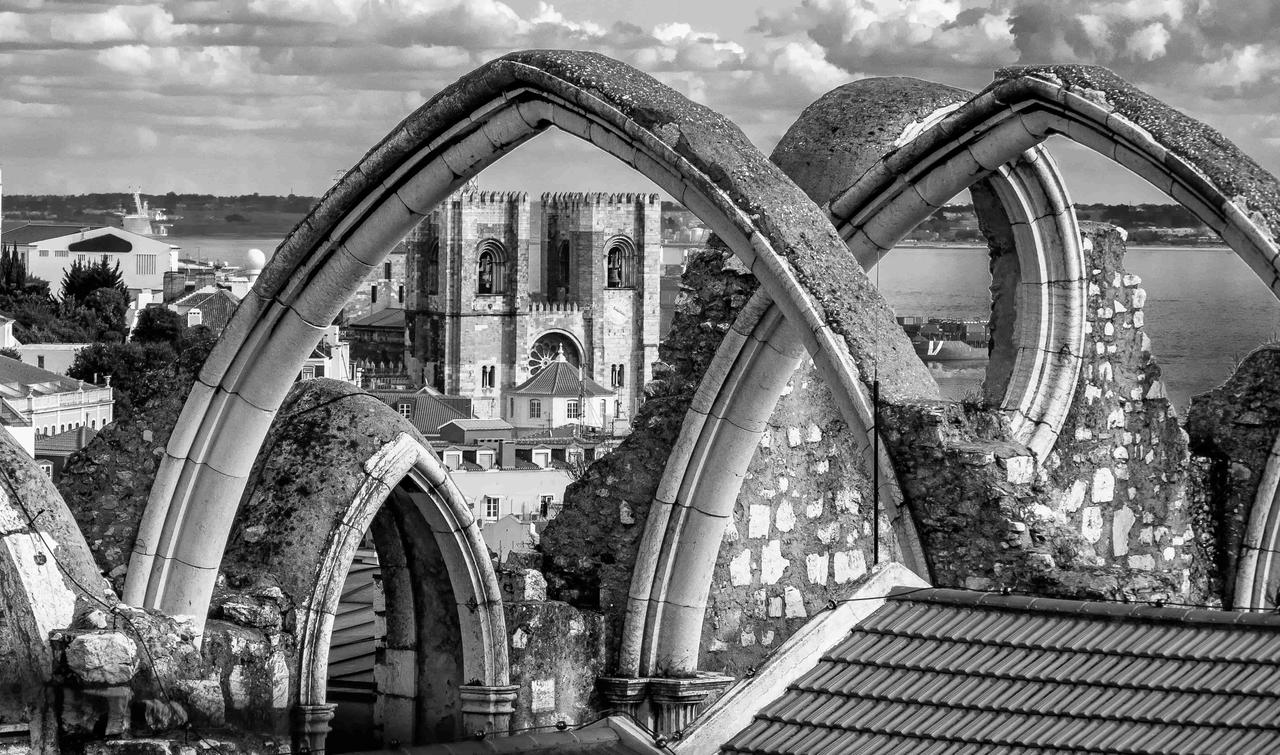
Stand beneath arches open to the sky and you're looking at one of the most haunting reminders of the earthquake that destroyed most of this city on November 1, 1755. The Carmo Convent, built in 1389 by military commander Nuno Álvares Pereira after his victory at the Battle of Aljubarrota, was once the most magnificent Gothic church in the area. When the earthquake struck during All Saints' Day Mass, the stone roof collapsed on worshippers below, killing hundreds.
The ruins were never rebuilt. Instead, in 1864, they became Portugal's first art and archaeology museum. Today you can walk through the roofless nave where medieval tombs sit beneath blue sky, including the elaborate tomb of King Ferdinand I. But this place witnessed another pivotal moment.
On April 25, 1974, Portugal's last dictator Marcelo Caetano took refuge in the adjacent National Guard headquarters during the Carnation Revolution. He surrendered here, ending 48 years of dictatorship. The Archaeological Museum now houses artifacts spanning from prehistoric times to medieval Portugal, including two Peruvian mummies and a Roman sarcophagus decorated with muses.
Any feedback for this story?