Carnation Revolution
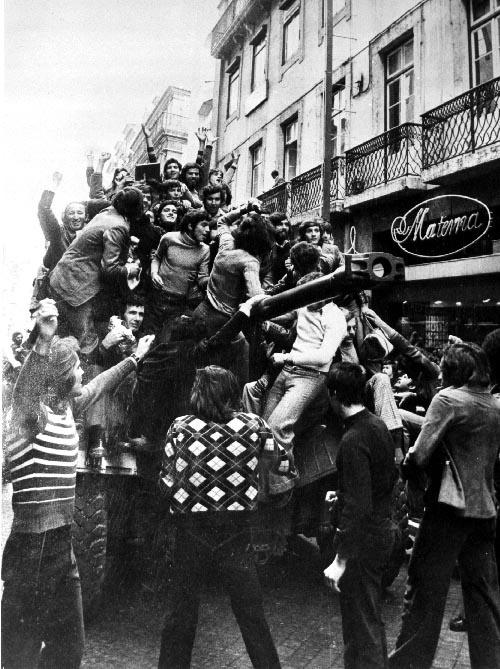
At exactly 00:20 on April 25, 1974, a banned folk song played on the radio and changed Portugal forever. "Grândola, Vila Morena" by Zeca Afonso was the secret signal that military officers had been waiting for to begin overthrowing 48 years of dictatorship. The Armed Forces Movement, exhausted from brutal colonial wars draining 40 percent of the national budget, moved swiftly. Within hours, tanks surrounded Terreiro do Paço and troops seized control of radio stations and military headquarters. But something unexpected happened.
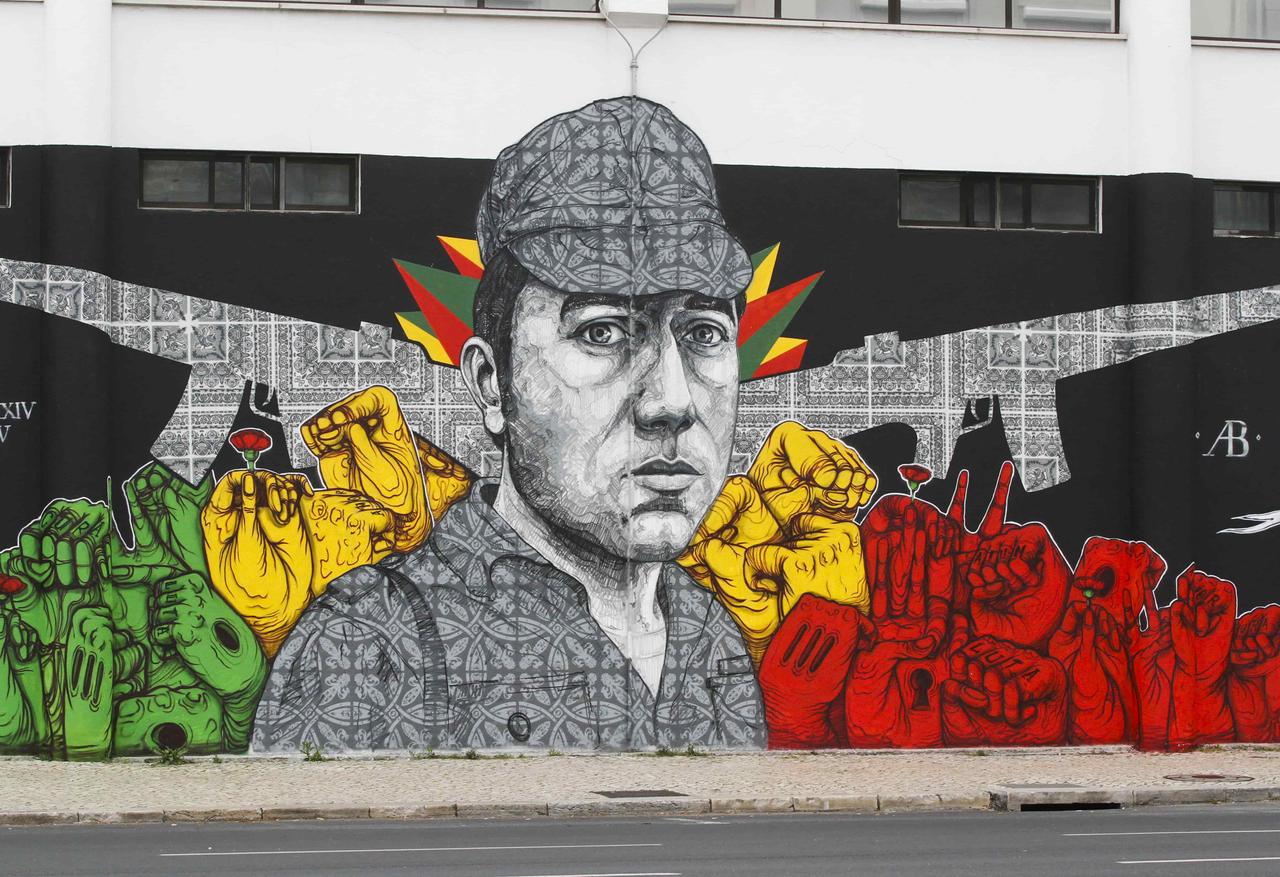
When people realized this was a coup against the Estado Novo regime, they poured into the streets. A restaurant worker named Celeste Caeiro was handing out red carnations for her restaurant's anniversary when she encountered soldiers near Largo do Carmo. She placed a carnation in one soldier's rifle barrel, then another. Others followed, and the image spread across the capital. This simple act gave the revolution its name and its peaceful character.
By late afternoon, dictator Marcelo Caetano surrendered at the Carmo Barracks. Only four people died during the entire takeover. The regime's secret police PIDE was immediately dissolved, censorship ended, and political prisoners walked free. Within months, Angola, Mozambique, and other African territories gained independence, ending centuries of colonial rule.
Any feedback for this story?