City of White Tiles
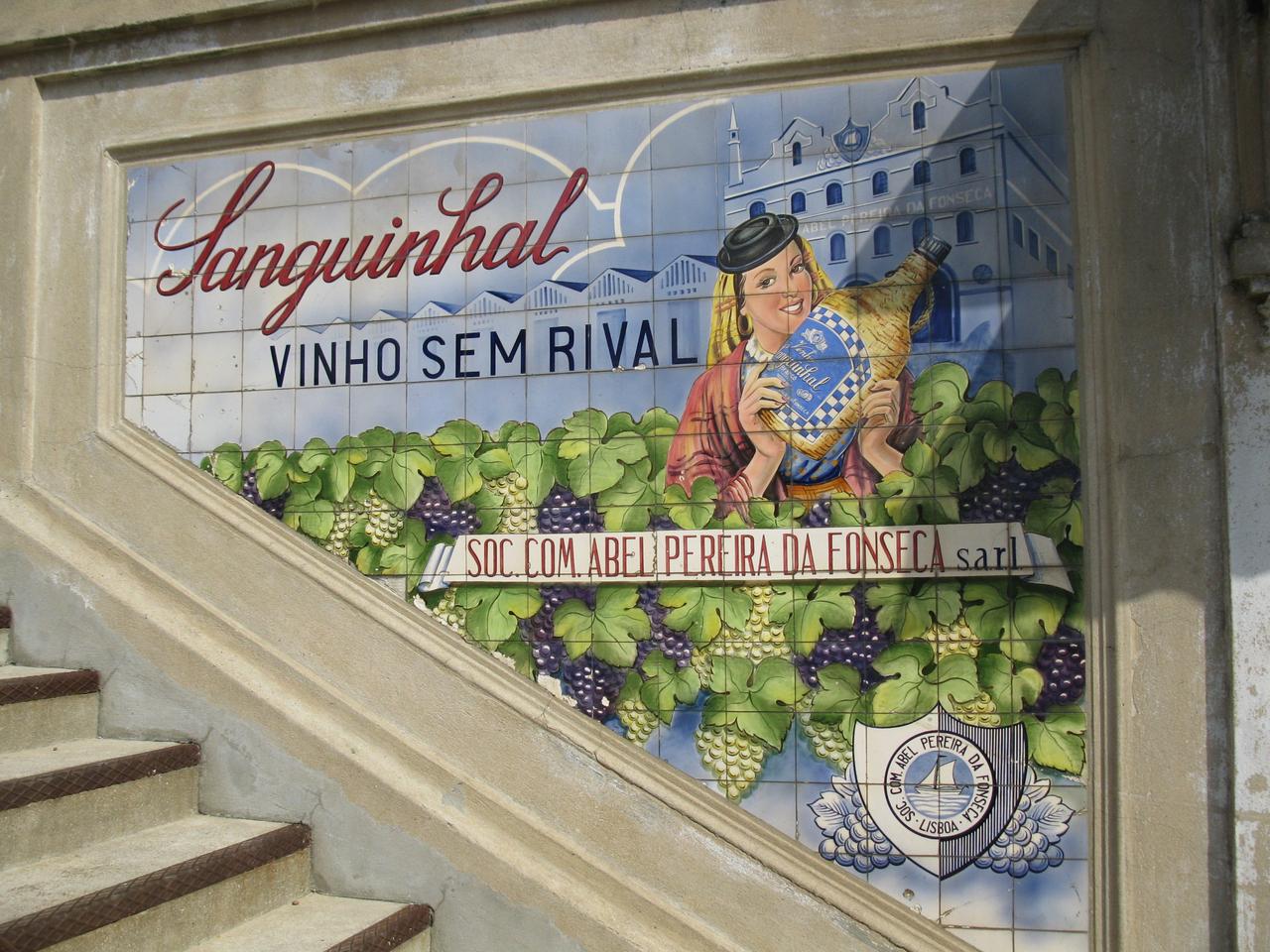
These squares of glazed ceramic covering the building facades around you are called azulejos, and they hold the secret to how this city rebuilt itself from complete destruction. The name comes from the Arabic word meaning "polished stone," brought here by Moorish settlers in the 13th century, not from the Portuguese word for blue as many assume. For centuries, azulejos decorated only the interiors of palaces and churches with intricate geometric patterns.
Everything changed on November 1, 1755, when a devastating earthquake measuring 8.5 in magnitude leveled nearly every structure in the downtown area. The tremors lasted up to six minutes, followed by a massive tsunami and fires that burned for days. The Marquis of Pombal, tasked with rebuilding, made a practical decision that would define the city's appearance forever. Azulejos became the solution because they were far cheaper and faster to produce than carved stone.
But they weren't just decorative. The glazed ceramic surface helped cool buildings during brutal summer heat and, crucially, slowed the spread of fires between structures. This is why you see these tiles everywhere in the Baixa district and surrounding neighborhoods. Each tiled facade represents the Pombaline architectural style, born from disaster and transformed into enduring beauty.
Any feedback for this story?