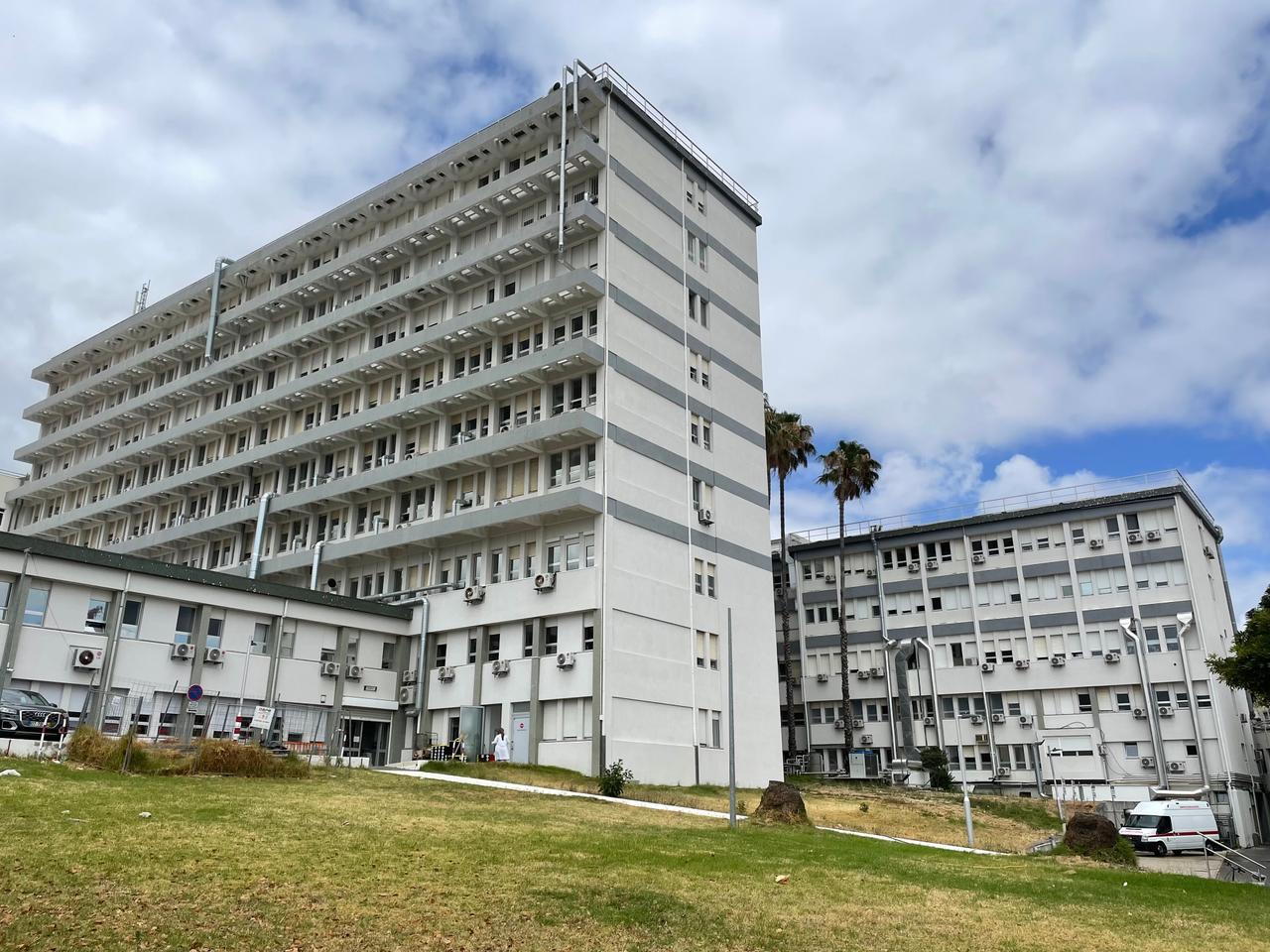
Colonial Hospital to Egas Moniz
A century ago, this waterfront estate became a sanctuary for the forgotten casualties of empire. The Colonial Hospital opened here on April 24, 1902, by decree of King Carlos I, created specifically for one grim purpose: treating Portuguese soldiers and colonial officials who returned from Africa and Asia carrying diseases that mainland doctors had never seen. For 23 years, the hospital squeezed into the old Cordoaria Nacional, the centuries old rope factory where workers once wove massive sails for Portuguese exploration ships.
But the building was never meant to be a hospital. Patients arrived in growing numbers, suffering from malaria, sleeping sickness, and other tropical afflictions, overwhelming the makeshift wards. Everything changed in 1919 when the Portuguese government purchased the sprawling Quinta do Saldanha estate along the Junqueira waterfront. The colony of Macau funded construction of the first dedicated hospital pavilion, which opened in 1925 bearing Macau's name.
Additional buildings followed, creating a proper medical campus where tropical medicine could finally be practiced and studied seriously. The hospital's identity shifted with Portugal's history. It became Hospital do Ultramar in 1948, then in 1974, as Portuguese colonial rule collapsed, it was renamed Hospital de Egas Moniz. The new name honored António Egas Moniz, Portugal's only Nobel Prize winner in Medicine, who pioneered cerebral angiography in 1927, revolutionizing how doctors could see inside the living brain.
Any feedback for this story?