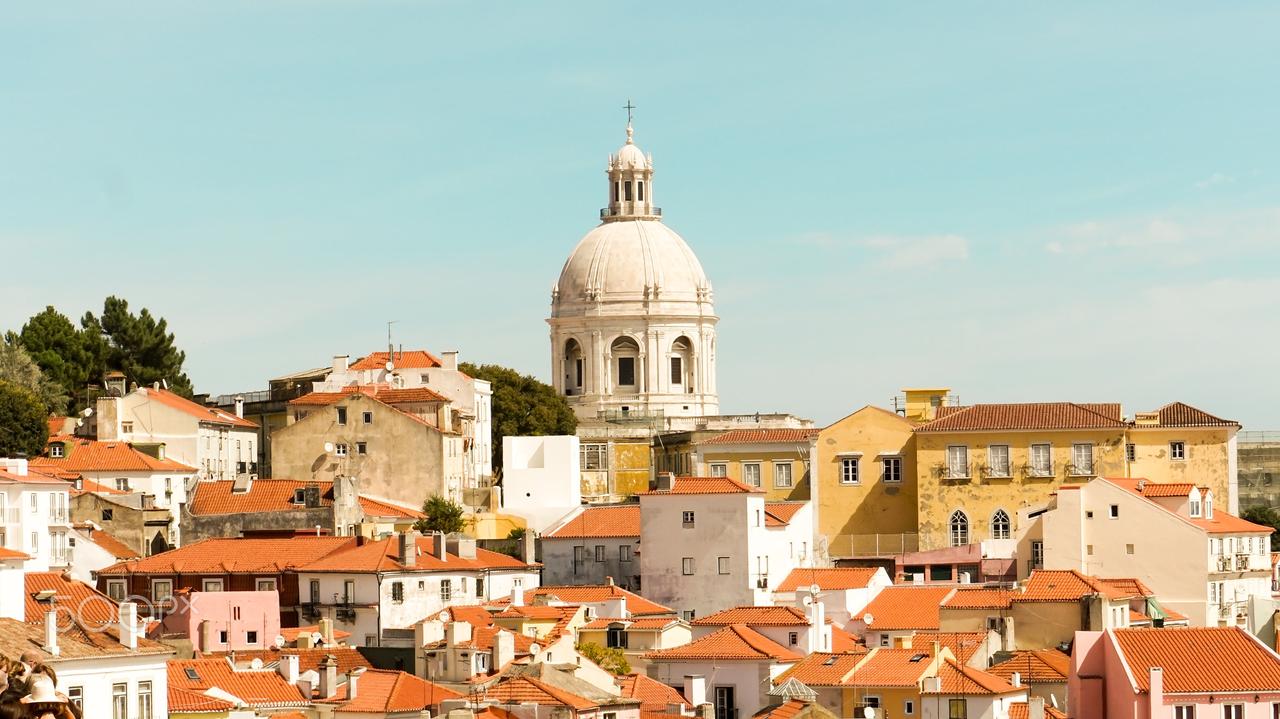
Culture, Lisbon-Style
This city became a cultural crossroads after the 1755 earthquake reshaped its identity, blending Moorish, Renaissance, and modern influences into something entirely unique. Culture pulses through azulejo-covered walls and fado melodies drift from ancient taverns in neighborhoods that have preserved centuries of artistic tradition.
Fado, the haunting music born in working-class areas like Alfama and Mouraria during the 1820s, earned UNESCO recognition in 2011 as Intangible Cultural HeritageIts melancholic soul expresses saudade—a Portuguese word for deep longing that has no direct translation
The Calouste Gulbenkian Foundation, established in 1956, houses one of the world's finest private art collections, spanning five thousand years from ancient Egypt to European modernism. Meanwhile, the LX Factory in Alcântara transformed a nineteenth-century industrial complex into a vibrant creative hub where artists, designers, and innovators collaborate.
Any feedback for this story?