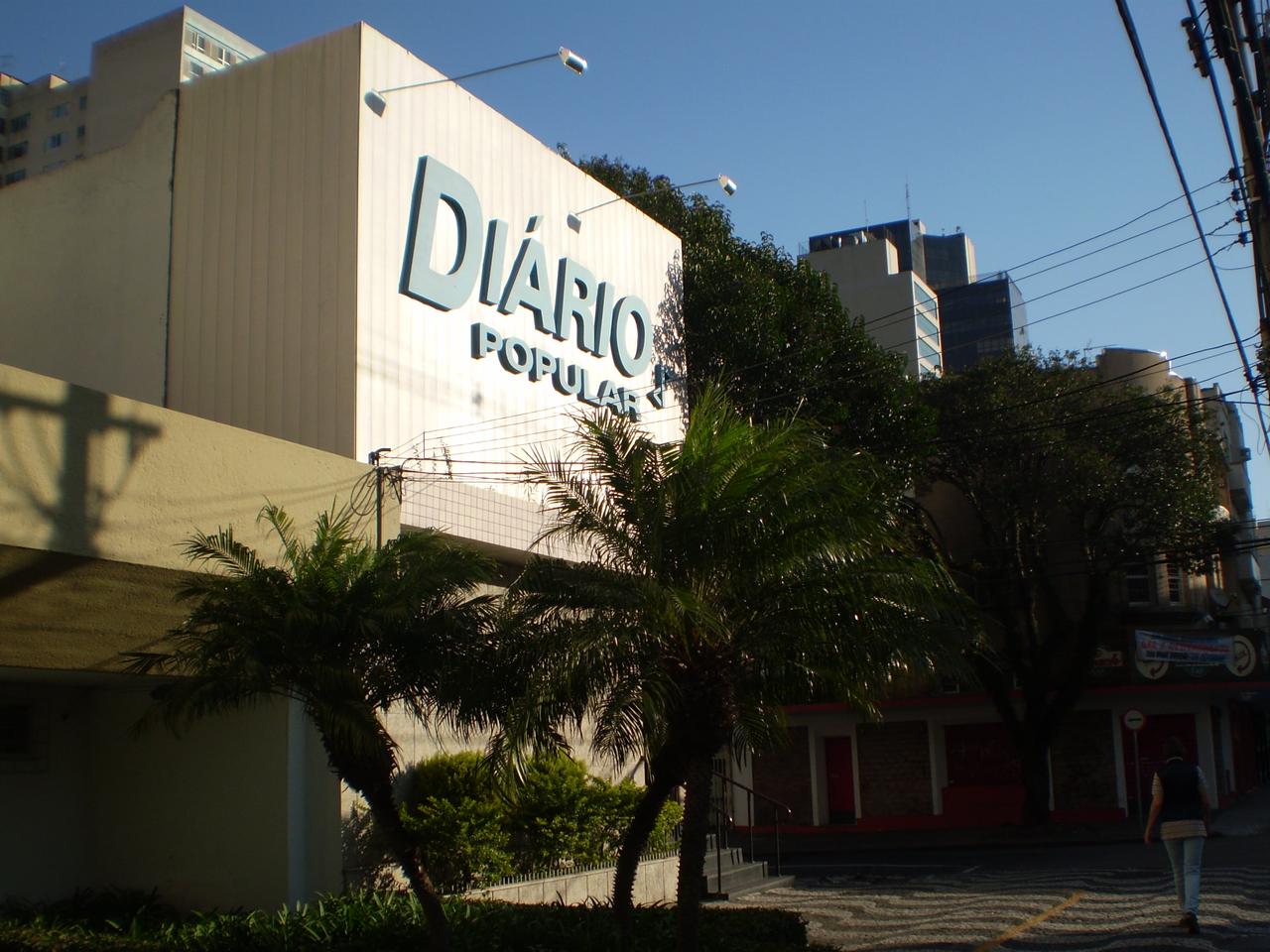
“Diário Popular” Editorial Office
This place was once home to one of Portugal's most influential evening newspapers, where journalists shaped public opinion for nearly half a century. Diário Popular launched on September 22, 1942, establishing its editorial office on this very street. Unlike morning newspapers, it served as an evening publication that captured the day's events for readers returning home from work.
The paper quickly became essential reading across Portuguese households, offering comprehensive news coverage when most families gathered around the dinner table. The newsroom here witnessed Portugal's most turbulent decades. Reporters worked through the Estado Novo dictatorship, carefully navigating censorship while informing the public. When the Carnation Revolution erupted in 1974, journalists at this location chronicled the dramatic fall of Europe's longest standing authoritarian regime.
The paper continued reporting through Portugal's transition to democracy, documenting a nation reinventing itself. At its peak, Diário Popular reached readers throughout Portugal and even extended to Angola during the colonial period. The editorial team produced daily editions from this building until 1990, when economic pressures and changing media consumption forced closure after 48 years. The typewriters fell silent, ending an era when this street hummed with the urgent rhythm of deadline driven journalism.
Any feedback for this story?