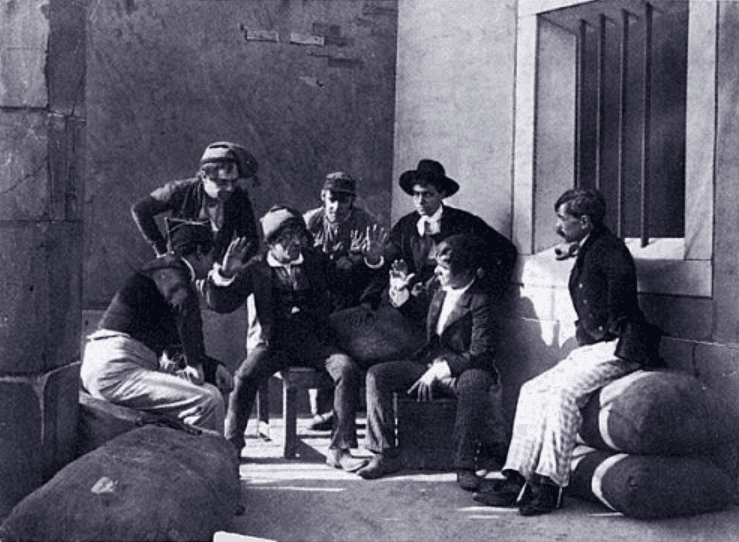
Diogo Alves at Limoeiro Prison
Here at Largo do Limoeiro, behind these historic walls, one of Portugal's most notorious serial killers spent his final days before meeting the executioner's noose. Diogo Alves, born in Galicia around 1810, became known as the Aqueduct Murderer for his brutal crimes along the Águas Livres Aqueduct. Between 1836 and 1839, he lured victims to the towering structure, robbed them, and threw them off the heights to their deaths. Authorities initially believed these were suicides until witnesses came forward. He allegedly killed over 70 people before his arrest.
The Limoeiro Prison, which had housed criminals since the 17th century, became Alves' home after his capture in 1839. He was arrested along with his gang members, and their trial revealed the shocking extent of their crimes. On February 19, 1841, Alves was publicly hanged at Cais do Tojo, drawing massive crowds. He was among the last people executed in Portugal before the country abolished the death penalty in 1867.
After his execution, doctors removed his head to study his brain using phrenology, a pseudoscience that claimed skull shape revealed criminal tendencies. His preserved head remains on display at the Faculty of Medicine's anatomy museum at the University of Lisbon. The building that once held Alves now serves as the Centro de Estudos Judiciários, the training center for Portuguese judges and prosecutors.
Any feedback for this story?