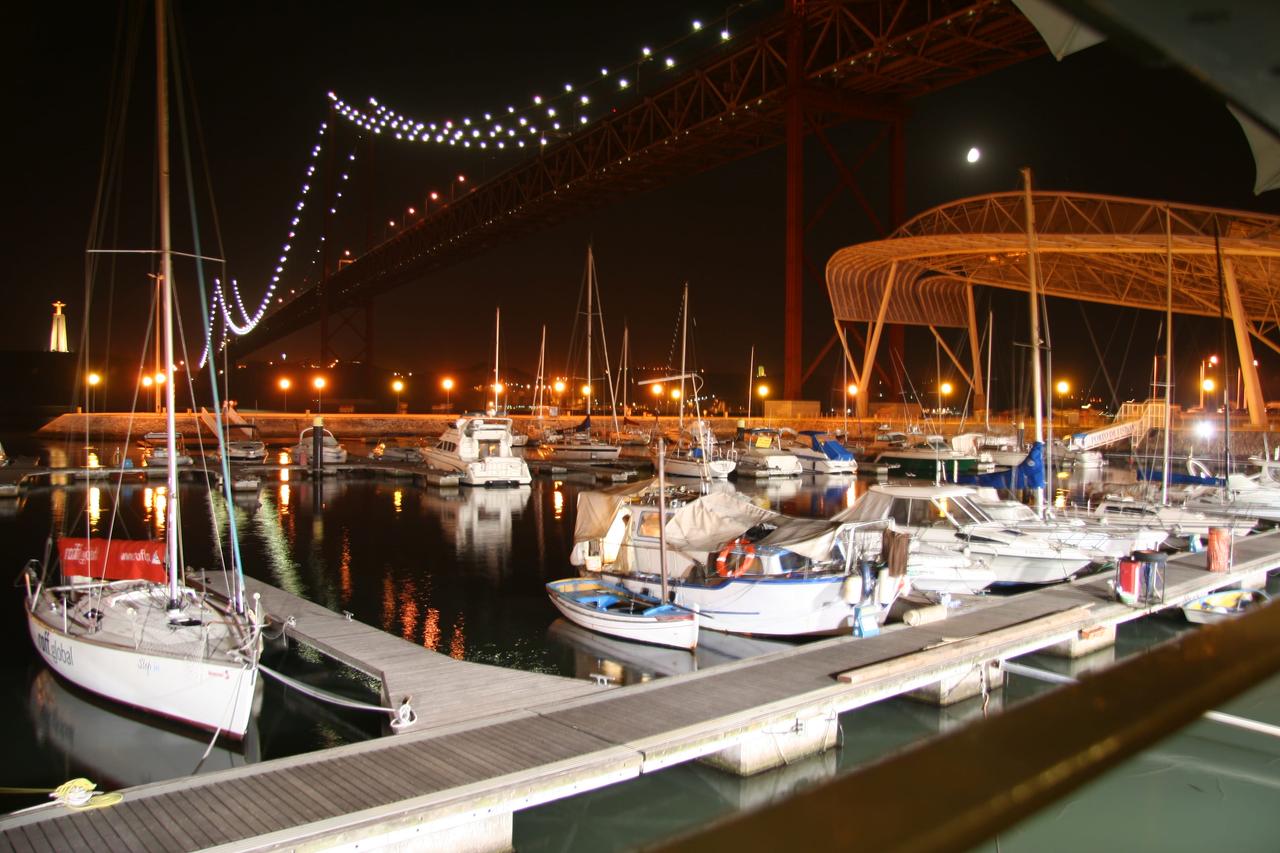
Doca de Santo Amaro Renewed
This place carries memories of cargo ships, dockworkers, and the smell of salt mixed with industrial oil. Doca de Santo Amaro, nestled beneath the massive red span of the 25 de Abril Bridge along the Tagus River, was once the beating heart of maritime commerce. Built in the early 20th century, these warehouses received goods from across the Atlantic and Mediterranean. Cranes lifted crates of coffee, textiles, and machinery while merchants negotiated deals in the shadow of towering vessels.
For decades, this stretch of waterfront hummed with the business of keeping a capital city supplied and connected to the world. By the 1980s, shipping had moved to deeper, modern facilities downstream. The warehouses stood empty, their brick facades crumbling, their purpose lost. In 1995, the port authority began transforming the abandoned docks into something entirely different. The industrial structures were gutted and reimagined as restaurants and bars, their original architecture preserved but adapted for dining and entertainment.
A marina was created to accommodate over 300 recreational boats. What had been a working port became a place where people gathered for evening meals with views of the river, live music echoing off old brick walls. The cranes disappeared, replaced by outdoor terraces. The transformation proved that industrial heritage could serve a city in new ways without erasing its past.
Any feedback for this story?