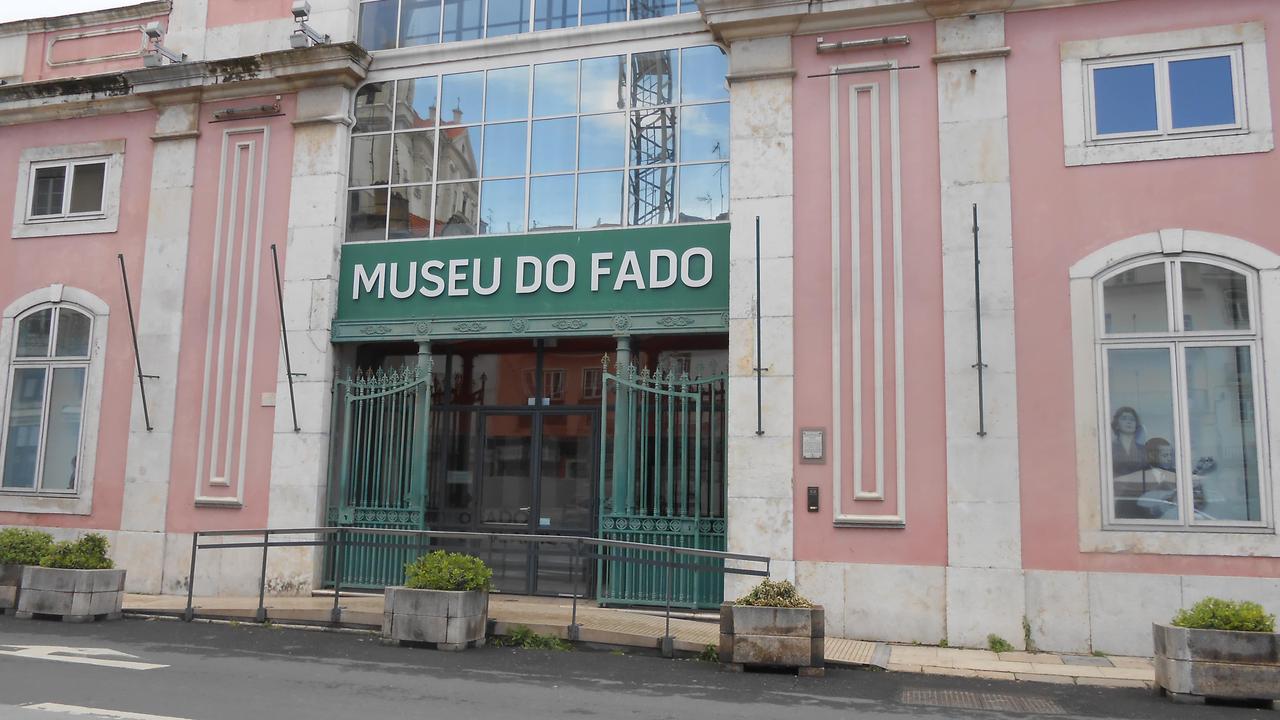
Fado Museum
You are standing in the heart of Alfama, inside a building that once pumped water through these ancient streets and now preserves Portugal's soul in song. This is the Fado Museum, housed in a 19th century water pumping station that opened its doors on September 25, 1998. The building's story began in 1868 when workers installed massive steam engines made by E. Windsor & Fils, an Anglo French company, to supply water to the neighborhood below.
For 70 years, these engines rumbled day and night until the station closed in 1938. Fado is Portugal's traditional urban song, born in these very streets two centuries ago among working class communities. It's a deeply emotional music style where a solo singer, accompanied by the distinctive 12 string Portuguese guitar, expresses saudade, that uniquely Portuguese feeling of melancholic longing and fate.
After the 1974 Carnation Revolution, the Portuguese Communist Party occupied this abandoned building. Decades later, it was transformed into a museum dedicated to fado's heritage, displaying thousands of recordings from the early 20th century, rare instruments, and artifacts from legendary performers. In 2011, UNESCO recognized fado as Intangible Cultural Heritage of Humanity.
Any feedback for this story?