First Social Housing Keys
Here stands a place that once gave families back what a bridge had taken away: their homes. In 1960, construction began on a massive suspension bridge over the Tagus River, and hundreds of families living near the riverbank had to leave. They lost their houses so engineers could build what would become one of Europe's longest bridges, stretching over 2 kilometers across the water.
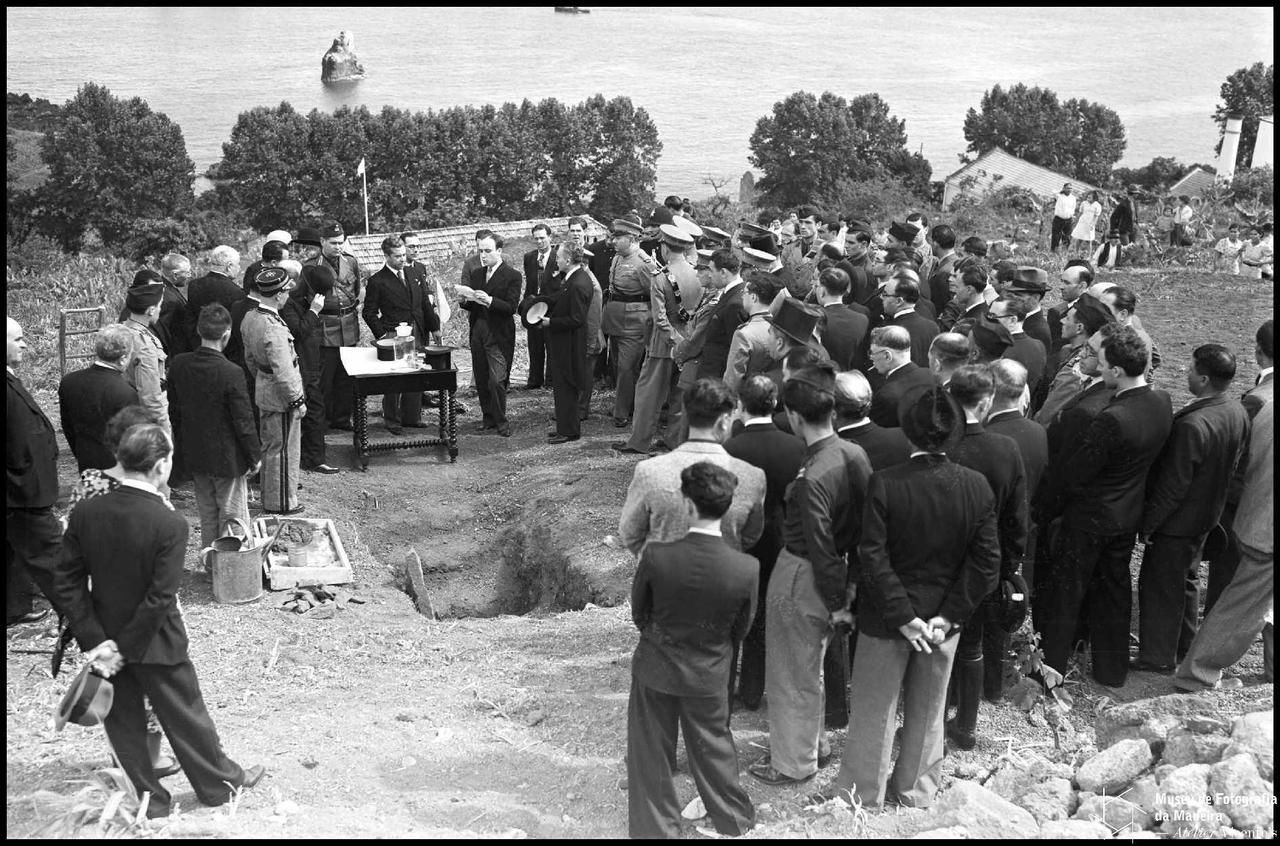
The displaced families were moved to this hillside in Casalinho da Ajuda, housed in temporary wooden barracks. What was supposed to be a short wait turned into ten years of living in makeshift shacks, watching the great bridge rise across the river while their own futures remained uncertain. On a significant day in 1970, officials finally arrived with keys. Real keys to real homes. The ceremony marked the handover of permanent housing built under the Estado Novo regime's social program.
These weren't luxury apartments, but they had solid walls, proper roofs, and running water, things the barracks never offered. For the families who gathered that day in Ajuda, the keys meant more than just new addresses. They meant stability after a decade of waiting, a proper place to call home again, and the chance to rebuild lives that had been put on hold since the bridge construction began.
Any feedback for this story?