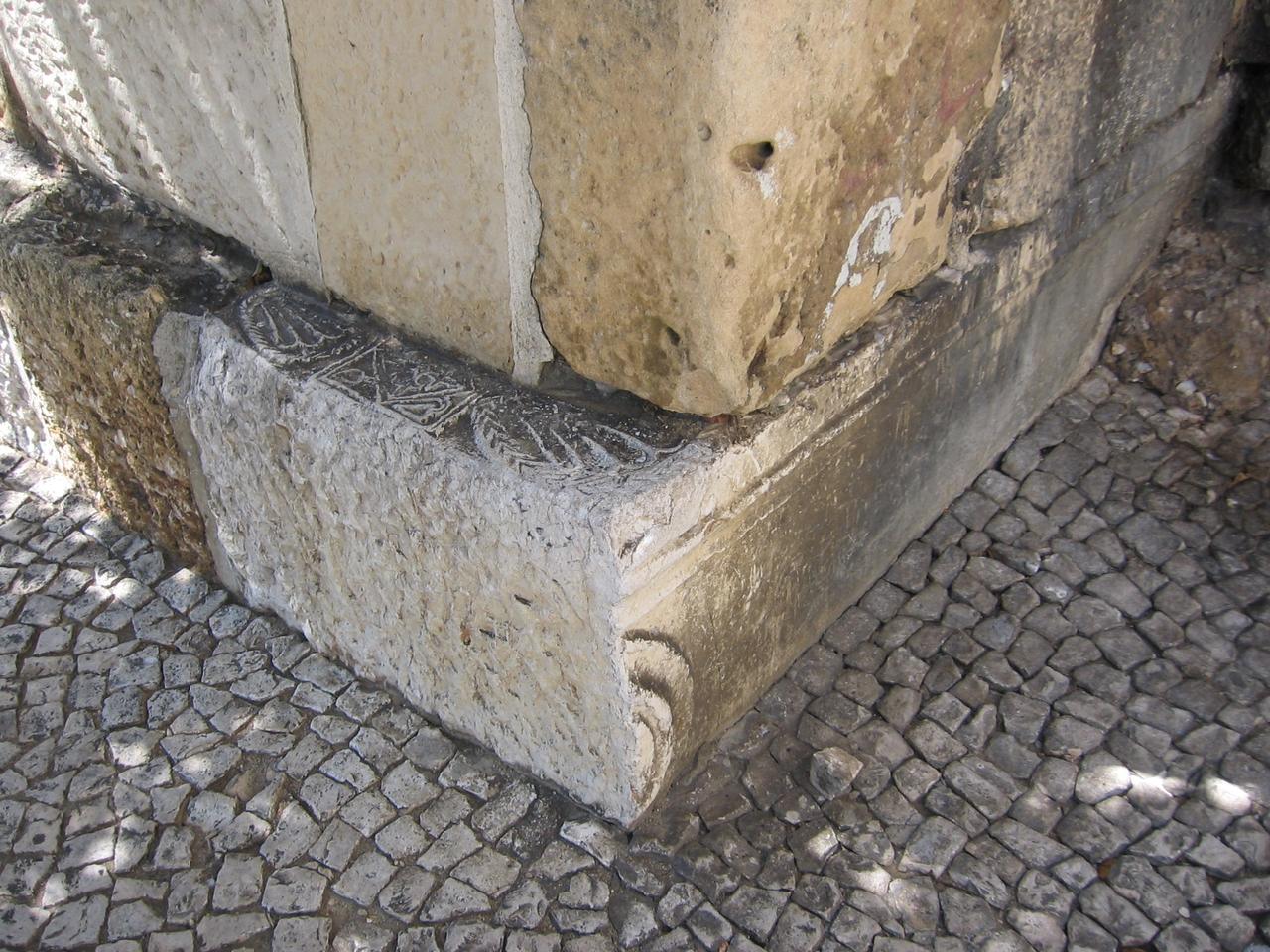
From Olissipo to Lisbon
You are standing on ground where one of Europe's oldest cities was born over 3,000 years ago. The Cathedral behind you sits directly above ancient Phoenician remains, while the Castle hill rises where traders first recognized this spot's extraordinary value. Around 1200 BC, Phoenician merchants sailing from the eastern Mediterranean established a trading post here called Alis Ubbo, meaning "safe harbor." The sheltered estuary of the Tagus made it a perfect stopover for ships carrying precious tin from Cornwall and the Isles of Scilly back to their homelands.
What began as a simple outpost grew into a vital link between northern Europe and the Mediterranean world. The Romans integrated the settlement into their empire in 138 BC. The local people fought alongside Roman legions against Celtic tribes, earning extraordinary rewards. The city received full Roman citizenship rights, complete tax exemption, and the authority to govern itself over 50 kilometers of territory. Few cities in the empire enjoyed such privileges. Renamed Felicitas Julia Olisipo, it became famous for garum, a fermented fish sauce that Roman elites craved. This luxury product was exported in clay vessels to Rome alongside wine, salt, and the region's remarkably fast horses. At its peak, 30,000 people called this thriving port home.
Any feedback for this story?