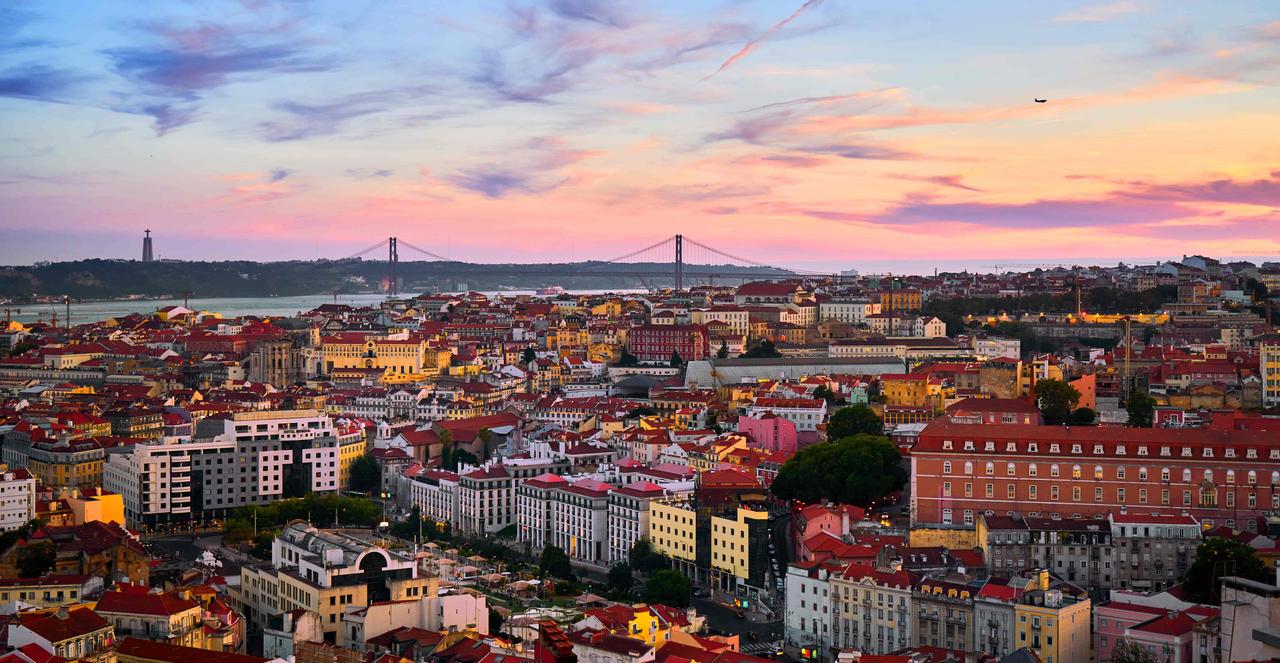
Lisbon at a Glance
You're standing in one of Europe's oldest capitals. Lisbon traces its roots back over three thousand years, making it the second-oldest European capital after Athens. Founded by the Phoenicians around 1200 BCE as a trading post called Ulissipo, the city passed through Roman, Visigoth, and Moorish hands before becoming Portugal's capital in 12.
But the Lisbon you see today was born from catastrophe. On November 1, 1755, at 9:40 in the morning, one of history's most powerful earthquakes struck during All Saints' DayThe magnitude 8.5 quake lasted up to six minutes, creating five-meter-wide fissures in the streets. Churches filled with worshippers collapsed instantly, killing thousands. A massive tsunami followed forty minutes later, with waves reaching six meters high at the harbor, drowning those who had fled to the docks for safety.
Fires ignited by toppled candles in churches burned for six days, destroying ninety percent of the city. Between 60,000 and 100,000 people died. The Marquis of Pombal immediately began rebuilding Lisbon with earthquake-resistant architecture and wide, geometrically planned streets—creating the orderly Baixa Pombalina district that defines downtown Lisbon today.
Any feedback for this story?