Lisbon Cathedral
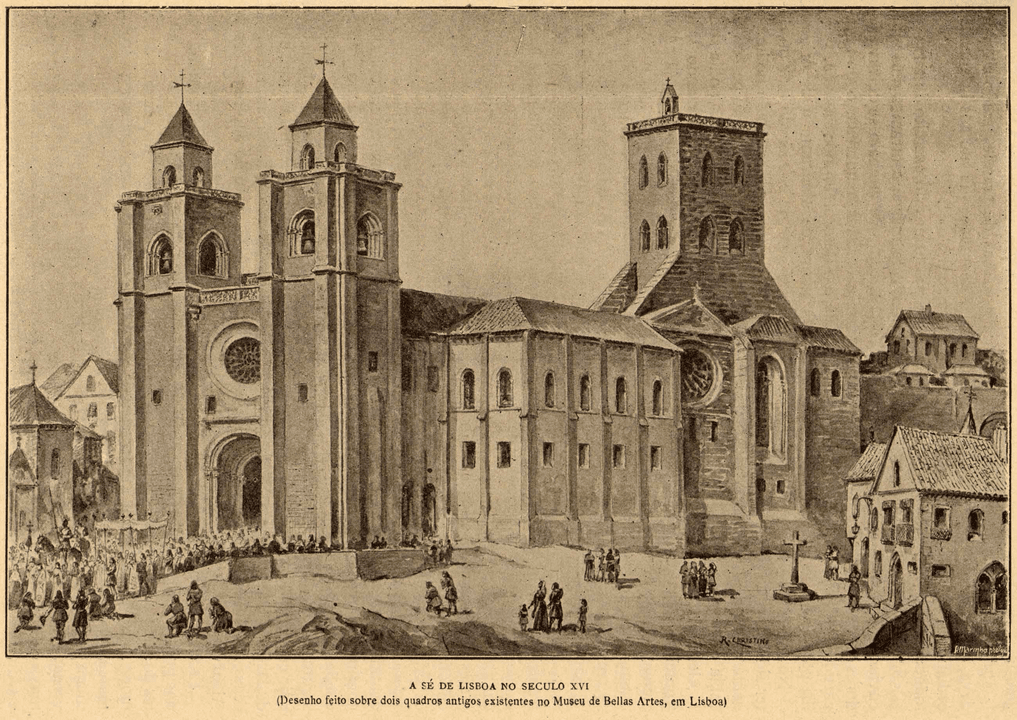
Right here is the city's oldest church, standing in Alfama since 1147. The Sé, as locals call it, was built where a mosque once stood after Christian forces captured the city that year. Those massive twin towers flanking the entrance weren't designed just for bells. They served as defensive fortifications, giving this sacred space the appearance of a medieval fortress.
The thick Romanesque walls were built to last, and they proved their worth centuries later. Step inside and you'll find a simple baptismal font near the entrance. In 1195, a baby named Fernando was baptized in this very font. The world would come to know him as Saint Anthony of Padua, one of Christianity's most beloved saints. When the catastrophic 1755 earthquake destroyed much of the city, the cathedral's sturdy walls held firm even as the Gothic chapel and royal tombs inside collapsed.
Builders reconstructed what was lost, creating the mix of Romanesque, Gothic, and Baroque styles visible now. Beneath the 14th century cloisters, archaeologists have uncovered extraordinary layers of history. They found a Roman street lined with shops, Visigothic building foundations, and red walls from the original mosque that once occupied this hilltop.
Any feedback for this story?