Lisbon Reconquered
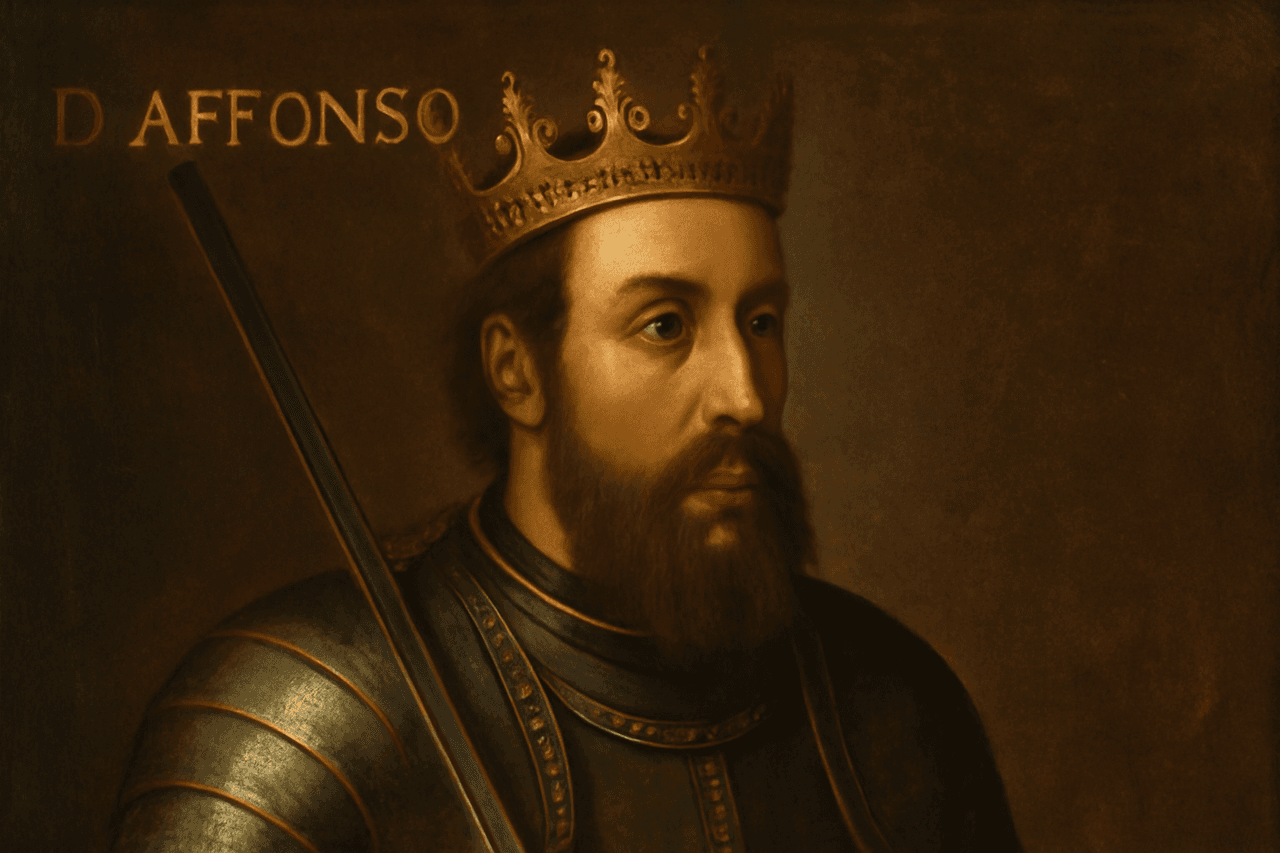
This place witnessed one of medieval Europe's most decisive battles, where a young kingdom's fate hung in the balance. In 1147, King Afonso Henriques, Portugal's first monarch, stood before a seemingly impossible task. The fortified city below had been under Moorish rule for over 400 years, its massive walls and towers defended by seasoned fighters. But when a storm forced a fleet of Crusaders to seek shelter in Porto, everything changed. Afonso convinced thousands of English, Flemish, and German warriors to join his cause. On July 1, 1147, approximately 15,000 Christian soldiers surrounded the city, facing 10,000 Moorish defenders.
The siege was brutal. Massive wooden towers and stone throwing machines battered the walls daily while inside, food supplies dwindled dangerously low. After nearly four months of relentless assault, the Moorish garrison had no choice. On October 21, they agreed to surrender. Four days later, the gates finally opened, ending 433 years of Muslim rule. This victory at the hilltop fortress transformed Portugal from a struggling county into a recognized kingdom. The strategic importance of this conquest was so profound that the city became Portugal's capital in 1255.
Any feedback for this story?