Museum of Popular Art
Right in front of you is a building that began as a propaganda pavilion and transformed into a treasure house of Portuguese folk traditions. Built for the 1940 Portuguese World Exhibition in Belém, architects António Veloso Reis and João Simões designed this structure as the Popular Life Section pavilion. The exhibition marked 800 years since Portugal's foundation and 300 years of independence from Spain, drawing 3 million visitors to Praça do Império between June and December 1940.
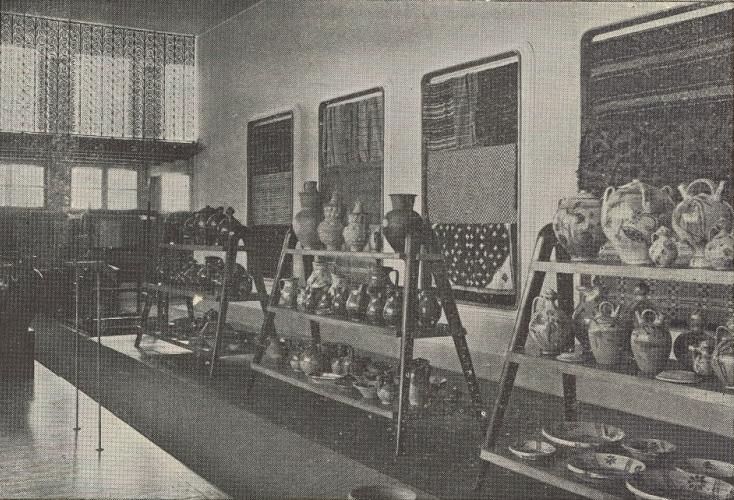
This pavilion specifically showcased traditional crafts, regional costumes, ceramics, and the everyday customs of Portuguese communities from north to south. When the exhibition ended, most pavilions were demolished, but this one remained empty for years. António Ferro, who directed the National Propaganda Secretariat, saw potential in preserving it as a permanent space. Architect Jorge Segurado led the refurbishment, and in 1948, it reopened as the Museum of Popular Art.
Inside, five distinct rooms each represented a different Portuguese region, displaying hand carved wooden tools, embroidered textiles, painted ceramics, and agricultural implements that rural communities had used for generations. The walls received murals celebrating Portuguese artisans and their connection to the land. The building earned Monument of Public Interest status in 2012, making it one of the few surviving structures from that ambitious 1940 exhibition.
Any feedback for this story?