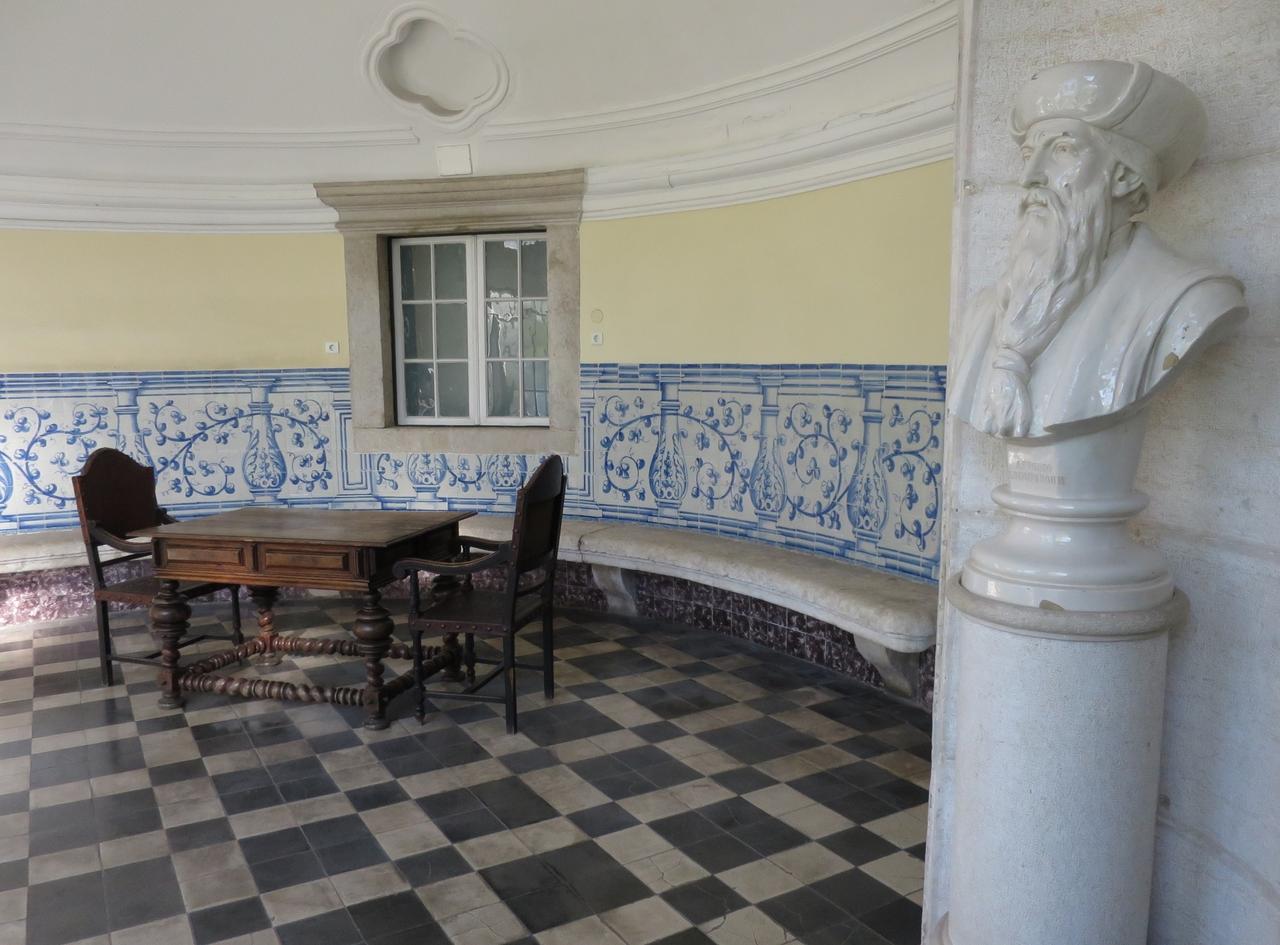
Overseas Historical Archive
Behind these elegant walls at Calçada da Boa Hora in Alcântara lies one of the world's most remarkable colonial archives. Over 16 kilometers of documents fill these rooms, preserving five centuries of Portuguese imperial history across three continents. The Palácio da Ega itself tells a fascinating story. Originally built in the 16th century, it was transformed in the 1700s by the 2nd Count of Ega, Aires José Maria de Saldanha, who created the breathtaking Salão Pompeia.
This circular salon features eight stunning panels of Dutch tiles depicting Europe's greatest port cities, their colors still vivid against the walls. These same rooms once hosted an unlikely friendship during Portugal's darkest hours. When French forces occupied the country in 1807, General Jean Andoche Junot became a regular guest at the Count's lavish parties. The general who led Napoleon's invasion army danced and dined here while his troops controlled the streets outside.
The Portuguese royal family had already fled to Brazil, but the aristocracy remained, navigating the dangerous politics of occupation. The palace became state property in 1919. Twelve years later, it was specifically redesigned to house what was then called the Colonial Historical Archive, opening its doors on July 9, 1931. The collection spans from the 15th to the 20th centuries, documenting Portuguese territories from Brazil to Macau, Angola to Timor, preserving records that researchers worldwide still study.
Any feedback for this story?