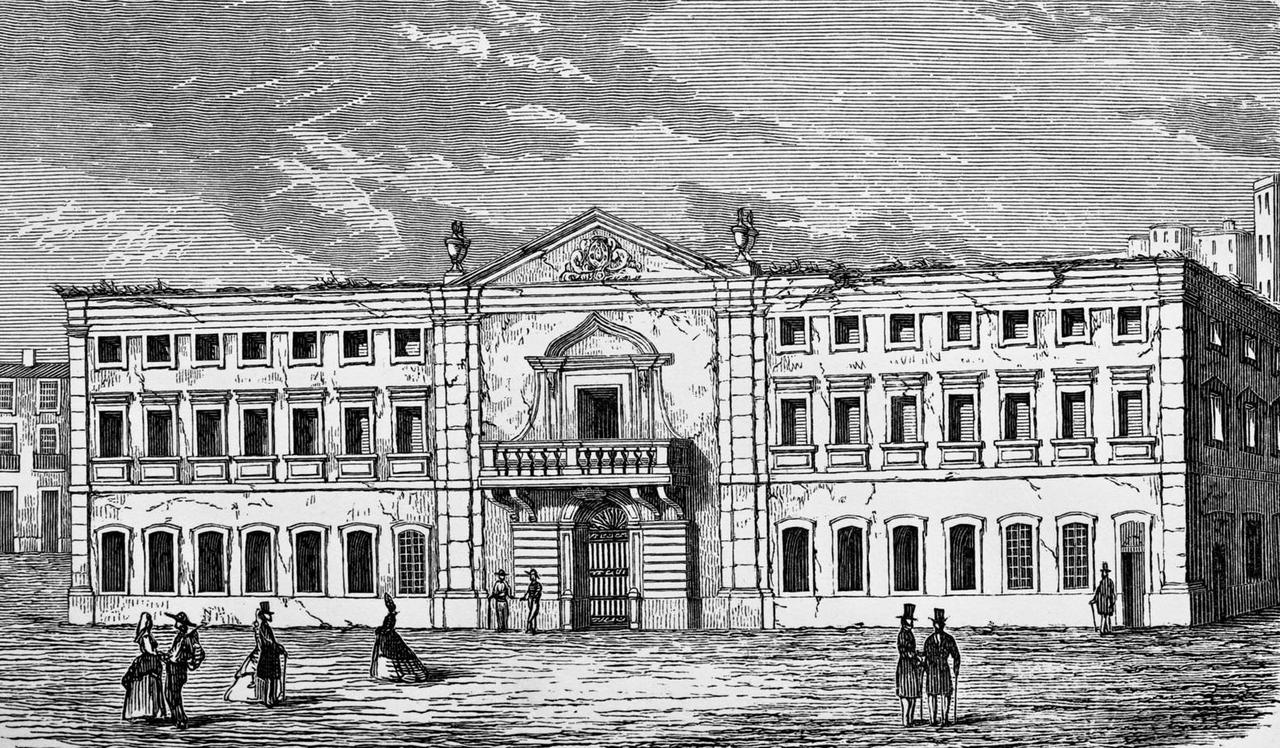
Palace of the Estaus & the Inquisition
Beneath the grand facade of the National Theatre on Rossio Square lies one of Portugal's darkest chapters. For exactly three centuries, this elegant plaza was home to the Palace of the Estaus, the headquarters of the Portuguese Inquisition from 1536 to 1821. The palace wasn't always a place of fear. Built around 1450 as luxury accommodation for foreign ambassadors and nobility, it became something far more sinister when King João III established the Inquisition.
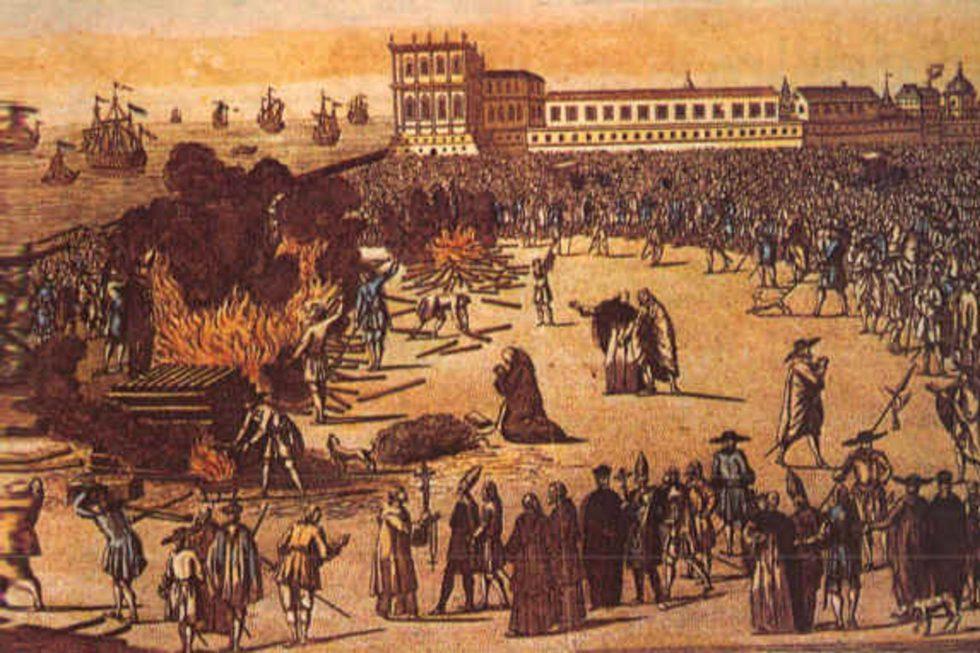
Behind its thick walls, a prison and tribunal operated where thousands faced accusations of heresy, practicing Judaism in secret, or witchcraft. Many were tortured to extract confessions. The square itself became a theatre of punishment. In 1540, the first auto da fé took place here, a public spectacle where sentences were announced and executions carried out before massive crowds.
These ceremonies continued for centuries, with the condemned wearing special garments and tall pointed hats as they faced their fate. The palace survived the catastrophic 1755 earthquake that destroyed much of the city, only to burn down in 1836. The National Theatre rose in its place, forever marking this ground where justice and cruelty once intertwined.
Any feedback for this story?