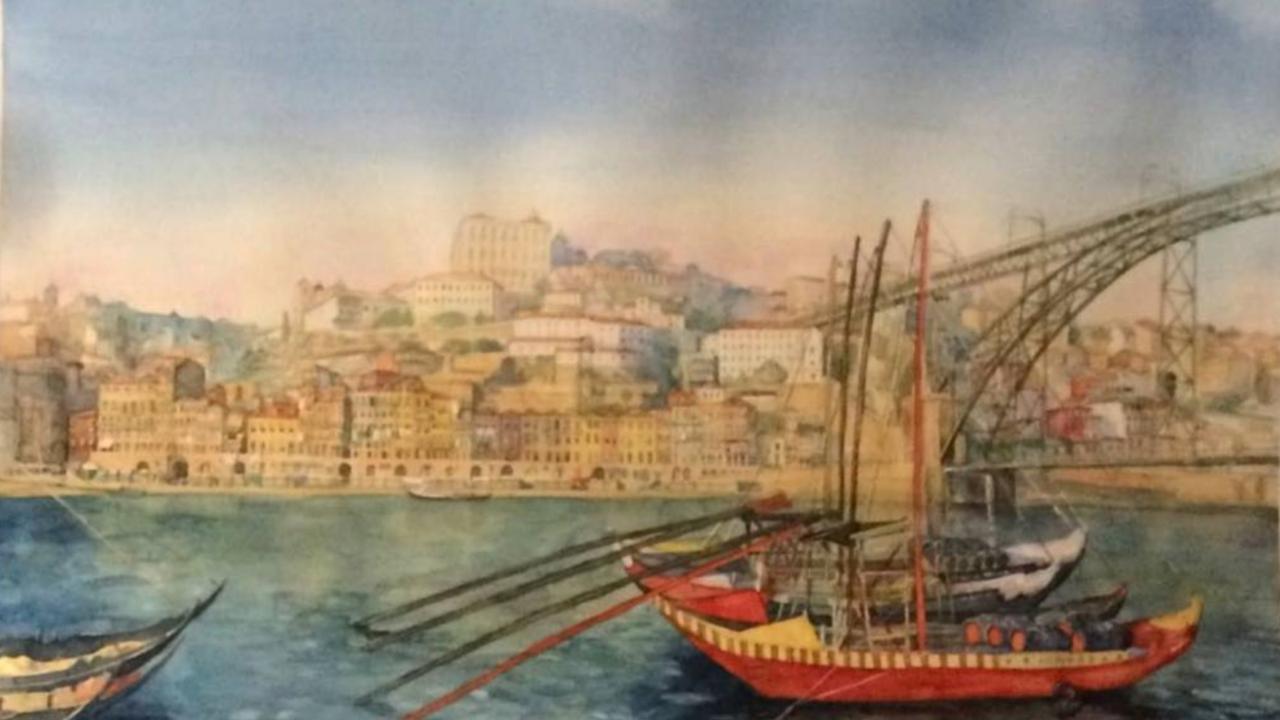
Ribeira das Naus Shipyards
Right where we are standing, the mighty ships that changed the world were born from timber and ambition. This riverside stretch was Ribeira das Naus, the royal shipyard where Portugal's legendary naus took shape between the 16th and 17th centuries. From the early 1500s, master craftsmen along the banks of the Tagus River built massive ocean going vessels capable of surviving the brutal six month voyage to India.
These carracks, often exceeding 1000 tons, were engineering marvels with three or four towering masts designed specifically to withstand Atlantic storms and carry enormous cargoes across continents. One such vessel, Nossa Senhora dos Mártires, was constructed here in 1605 under King Manuel's vision to dominate global trade. Built at nearly 40 meters long, she set sail that same year carrying gold to purchase pepper, spices, and exotic goods from Goa.
Ships like these were the lifeline of an empire stretching across Asia, Africa, and America. The shipyard included warehouses, a foundry, and a powder factory, buzzing with workers who hammered, sawed, and rigged vessels destined for legendary explorers like Vasco da Gama. Each ship represented three years of labor, yet many completed only three round trips before the sea claimed them.
Any feedback for this story?