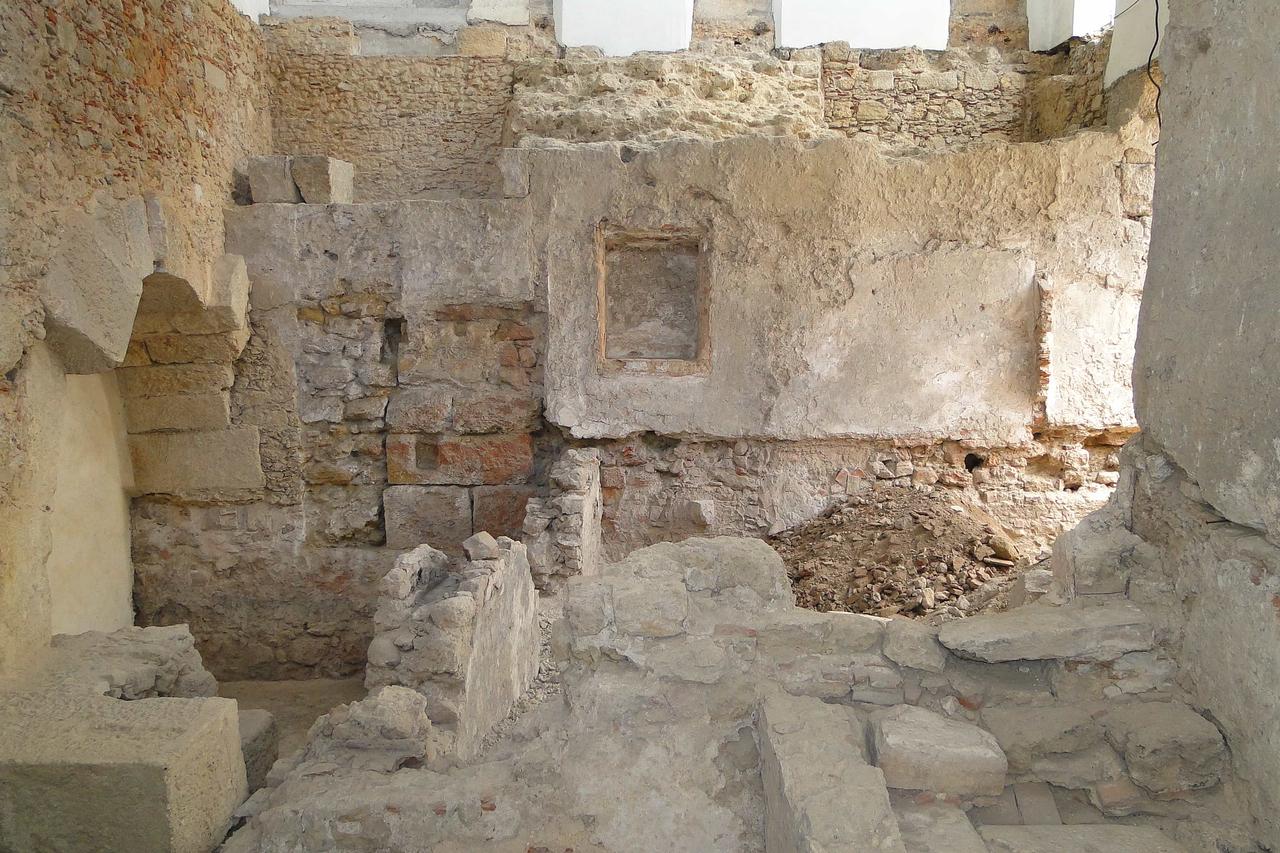
Roman Theatre
Welcome to one of the most remarkable archaeological sites on the Iberian Peninsula, where 4,000 spectators once gathered for entertainment under Roman rule. The Roman Theatre was built in the 1st century AD when Emperor Augustus founded the city of Felicitas Iulia Olisipo. This grand structure became a powerful symbol of Roman civilization, hosting dramas, comedies, and public ceremonies that shaped cultural life for centuries. In 57 AD, the theatre was renovated and expanded under Emperor Nero, who ordered its dedication by the high priest Caius Heius Primus.
The theatre's design reflected strict Roman social order. Elite citizens occupied the front rows with prime views, while military officers and civil servants sat in the middle sections. Freed slaves stood at the back, and women watched performances from a separate covered porch. By the 4th century AD, as Roman power declined, the theatre fell silent and disappeared beneath layers of earth and debris. It remained completely hidden until the catastrophic 1755 earthquake struck. During reconstruction work in 1798, builders uncovered the ancient stone walls and foundations.
The ruins lie in the Alfama district near the cathedral, built on the castle hill slope. The site preserves the stage, orchestra pit, and seating sections, along with inscriptions, columns, and a sculpture of Silenus that archaeologists discovered during excavations beginning in 1964.
Any feedback for this story?