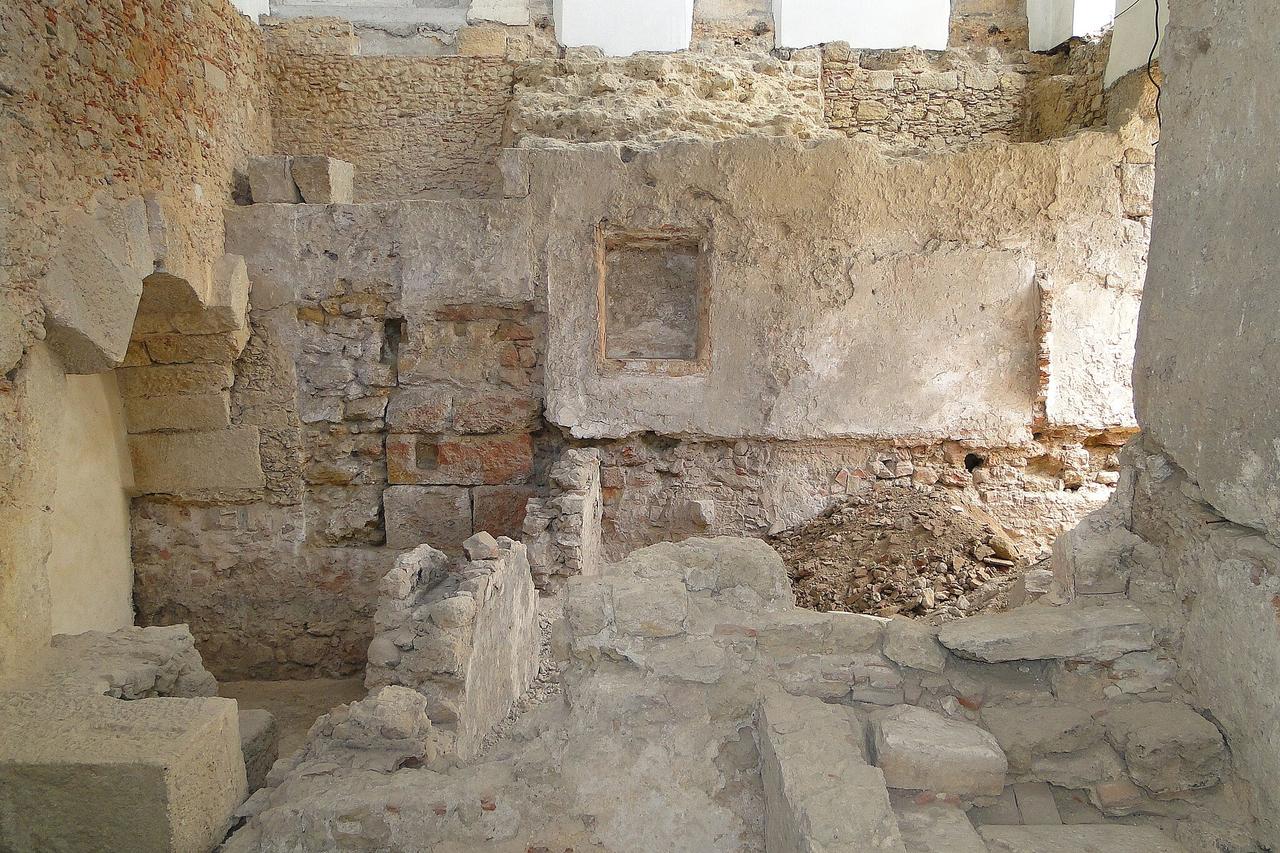
Roman Theatre Rediscovered
Welcome to one of the most remarkable archaeological discoveries hidden beneath the streets of Alfama, where a massive 4,000 seat Roman theatre lay forgotten for over a thousand years. This is the Teatro Romano de Olisipo, the entertainment heart of ancient Roman Lisbon. Built during the reign of Emperor Augustus in the 1st century AD, it once drew crowds from across the city to watch performances on its grand stone stage.
The theatre was carved into the natural hillside, its semicircular design following Roman architectural tradition. Then it vanished. Abandoned in the 4th century AD, the structure was slowly buried and forgotten as new buildings rose above it. For centuries, no one knew it existed. Everything changed after the devastating 1755 earthquake. In 1798, workers clearing rubble and rebuilding the destroyed city accidentally uncovered massive ancient stone walls. They had found the lost Roman theatre.
Artists quickly documented the impressive proscaenium wall, the decorated backdrop of the stage, before much of the stone was carried off for new construction. The site slipped into obscurity again until 1964, when archaeologist Fernando de Almeida launched proper excavations. His team uncovered the orchestra, the semicircular area where Olisipo's wealthiest citizens once sat, and exposed the theatre's full foundations. The dig transformed the ruins into the museum standing here in Rua de São Mamede.
Any feedback for this story?