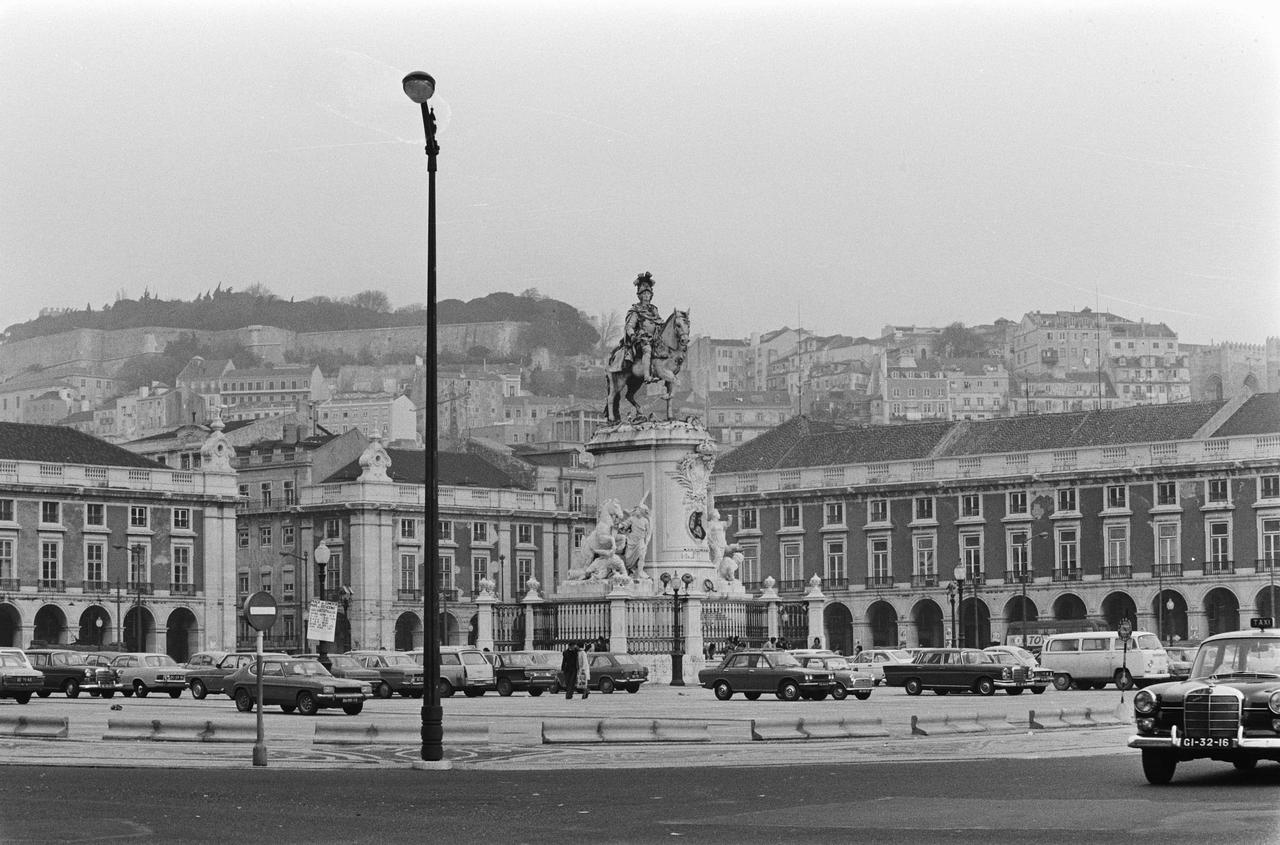
Statue of Dom José I
You are at the heart of Praça do Comércio, where a powerful bronze horseman rises 14 meters into the sky. His horse crushes serpents beneath its hooves. This is King José I, and this statue marks Portugal's rebirth from one of history's deadliest disasters. On November 1, 1755, a massive earthquake killed nearly 100,000 people and destroyed most of the city. The royal palace that stood on this very spot collapsed into the Tagus River. The king survived, but the trauma left him with severe claustrophobia.
He never lived within walls again, spending the rest of his 27 year reign in tents pitched in the hills of Ajuda. His chief minister, the Marquis of Pombal, rebuilt the capital from ruins. He commissioned sculptor Joaquim Machado de Castro to create Portugal's first monumental royal statue.
The artist spent five years crafting it from bronze mixed with zinc, copper, and tin to withstand the salty river air. It was unveiled in 1775 on the king's birthday. The trampled serpents symbolize victory over catastrophe. This entire square replaced the destroyed palace, transforming royal grounds into a center of commerce and trade.
Any feedback for this story?