The Lisbon Rhinoceros
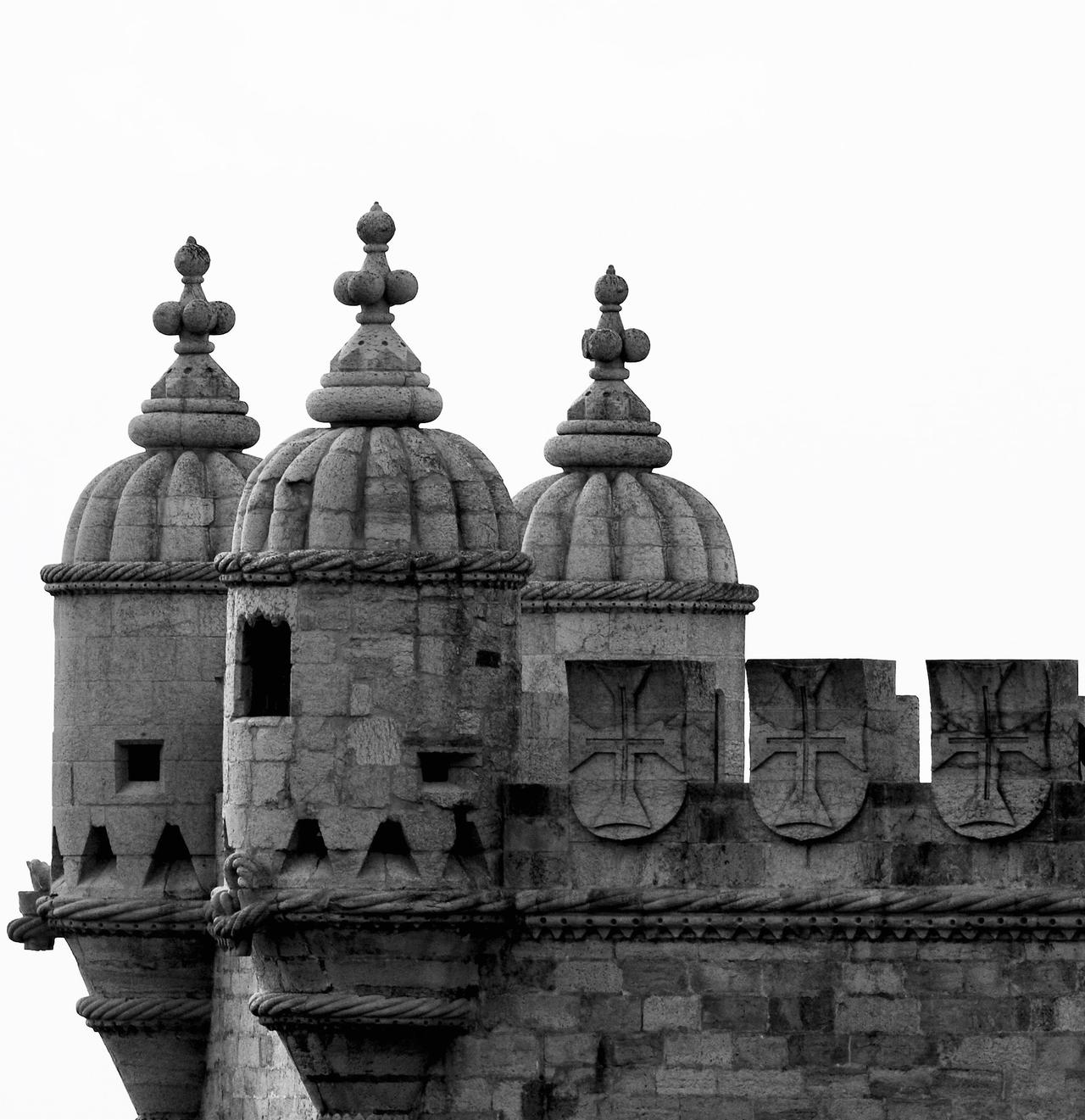
Standing before this 16th century fortress, look closely at the western turret and you'll discover something extraordinary: a rhinoceros carved in stone, watching over the river for more than 500 years. In January 1515, a living Indian rhinoceros stepped onto these shores after a grueling voyage from Gujarat, India. Sultan Muzafar II had sent the massive creature as a diplomatic gift to King Manuel I, and it became an instant sensation.
This was the first rhinoceros seen in Europe since the fall of the Roman Empire, over a thousand years earlier. Crowds gathered along the riverbanks to witness the incredible animal, which the king kept in a special enclosure near this tower. Word spread rapidly across the continent. People were fascinated by its armored appearance, thick folded skin, and single horn, so different from any creature they knew.
King Manuel decided to send the rhinoceros onward to Pope Leo X in Rome, hoping to strengthen political ties. But the ship carrying the animal encountered a violent storm off the coast of Italy in early 1516. The vessel sank, and chained in the hold, the rhinoceros drowned. Though the animal's life ended tragically, its legacy endured.
The stone carving above immortalized its brief presence here, while artist Albrecht Dürer created his famous woodcut based purely on descriptions. That print became one of the most copied images in history, spreading the legend of this tower's rhinoceros across the world.
Any feedback for this story?