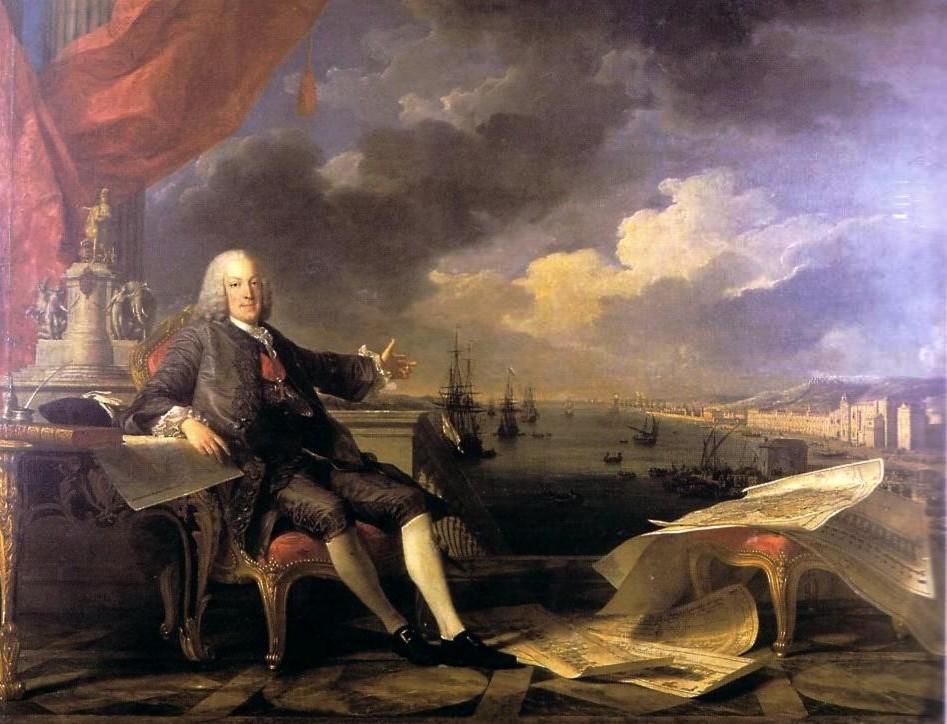
The Marquis of Pombal
Take a look at the perfectly straight streets and uniform buildings around you. This grid layout was born from one of history's deadliest disasters and the iron will of one controversial man who rebuilt an entire capital from ashes. On November 1, 1755, a massive earthquake struck, followed by tsunamis and fires that killed tens of thousands and destroyed most of the city. Sebastião José de Carvalho e Melo, known as the Marquis of Pombal, was Portugal's chief minister at the time.
While the king fled to a tent outside the ruined capital, Pombal stayed and took charge. His orders were direct: "Bury the dead and feed the living." But Pombal did more than rebuild. He revolutionized. The downtown area where you stand now, called Baixa Pombalina, features the world's first earthquake resistant buildings. Architects designed them with an innovative wooden cage structure inside the walls. They even tested the design by marching troops around scale models to simulate tremors.
Pombal was a complex figure. He modernized education and abolished slavery in mainland Portugal in 1761. Yet he ruled ruthlessly, executing nobles who opposed him and sending questionnaires to every parish asking if animals acted strangely before the earthquake, making him a pioneer of seismology. When Queen Maria I took power in 1777, she hated him so intensely she banned him from coming within 20 miles of her presence.
Any feedback for this story?