The Plague
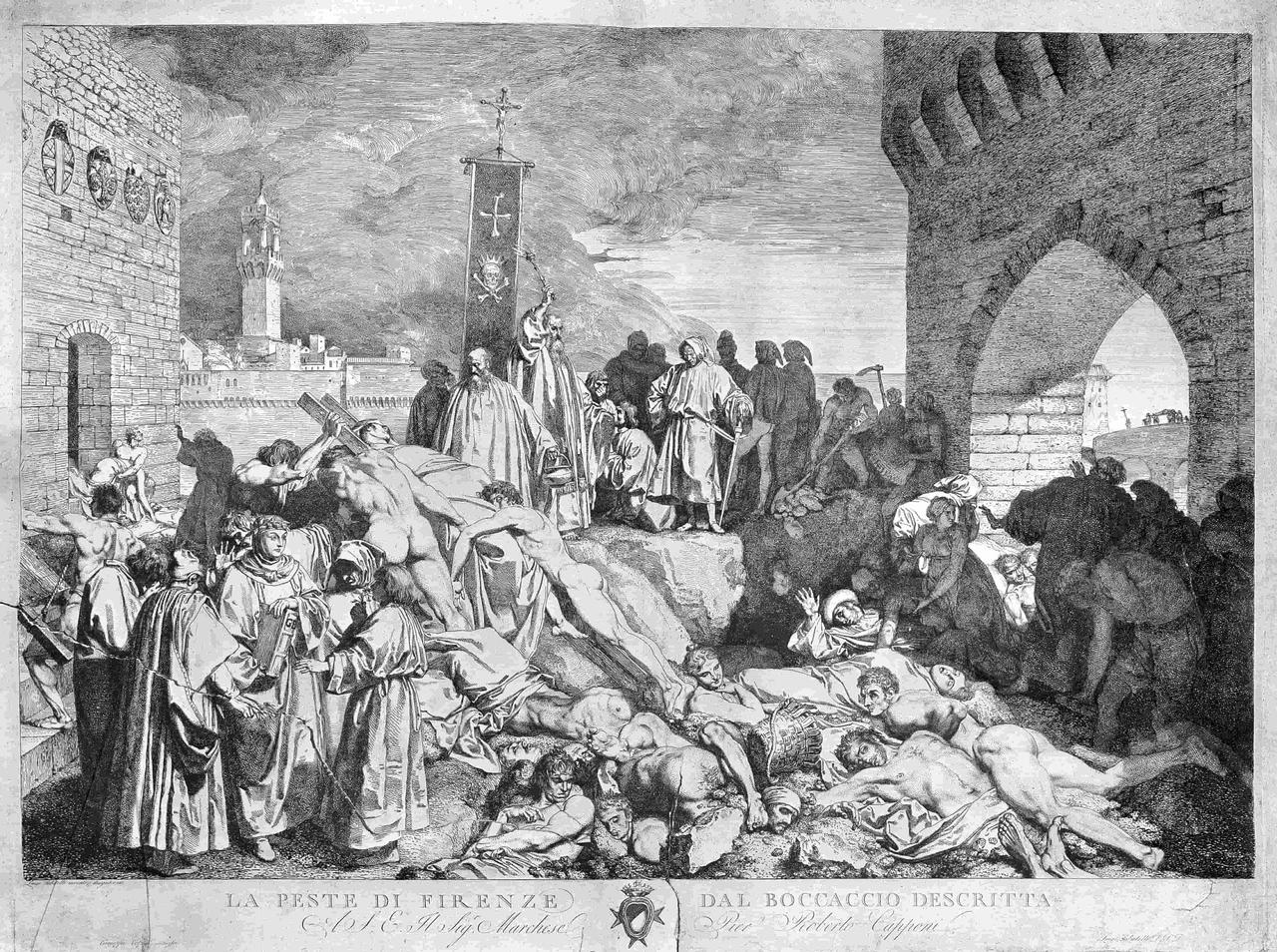
Right here is where death arrived by sea in 1348, carried on merchant ships that docked at this very port. The Black Death, one of history's deadliest pandemics, killed nearly half the people living in these streets within just a few months. The disease spread through fleas living on rats, which thrived in the crowded neighborhoods near the waterfront. Entire families vanished. Bodies piled up faster than they could be buried. The bustling markets fell silent as traders fled or died.
The catastrophe changed everything. With so many dead, there weren't enough workers left to farm the land or run the shops. Surviving laborers suddenly had power they'd never known before. Wages doubled, sometimes tripled, as landowners desperately competed for workers. Out of tragedy came transformation.
Authorities widened the narrow streets you walk today. They created the first organized waste removal systems. Regular street cleaning became law. These weren't just improvements, they were born from the horror of watching thousands die from filth and disease. The port that welcomed those plague ships in 1348 became the birthplace of modern urban planning in this part of Europe.
Any feedback for this story?