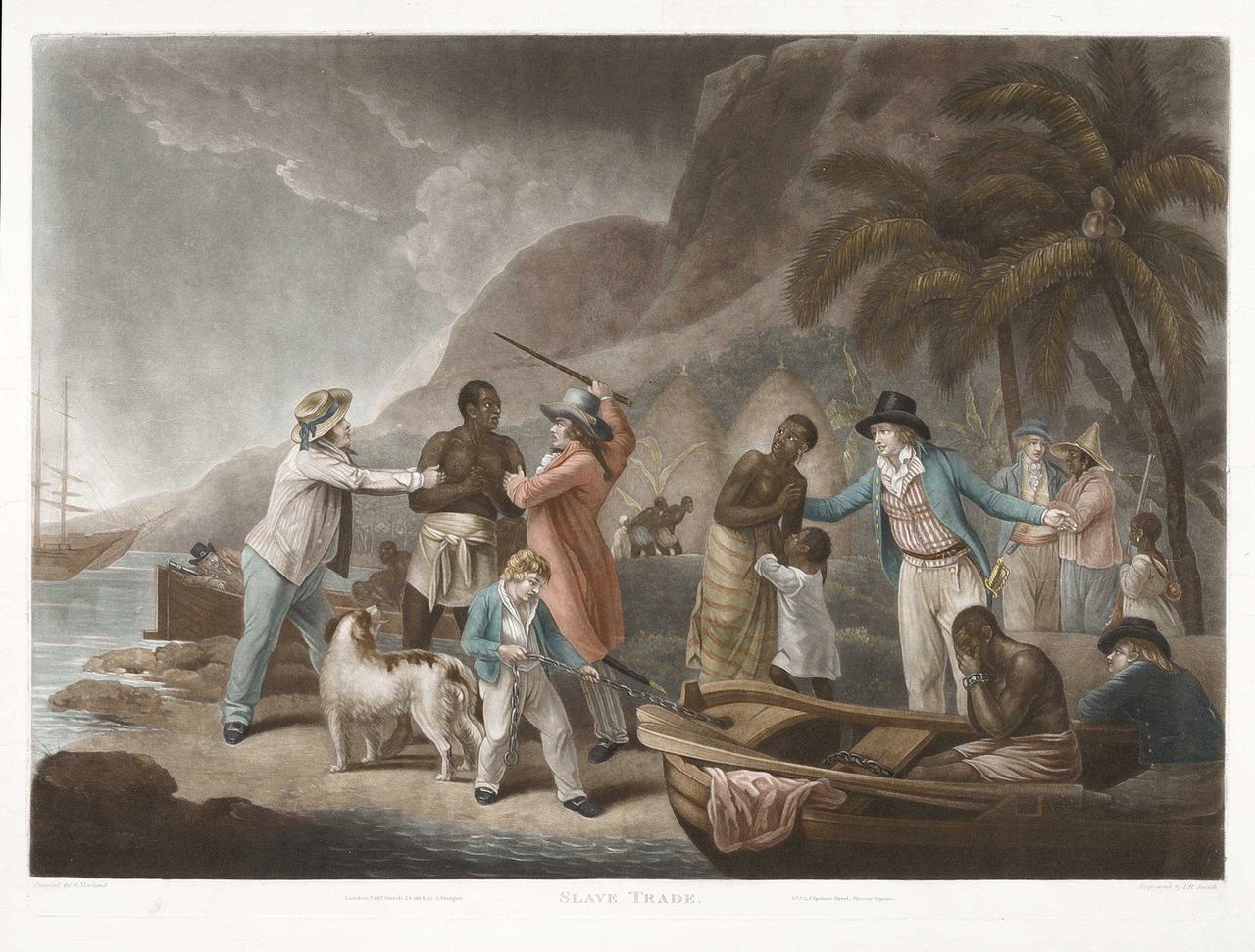
The Slave Trade
This is the story of how 4.9 million enslaved Africans passed through this port on their way to Brazil, the largest forced migration in the Atlantic slave trade. Between the 15th and 19th centuries, the docks along the Tejo River became Europe's primary hub for the transatlantic slave trade. Wealthy families purchased enslaved people at auctions held in town squares and streets, treating human beings like livestock.
The enslaved worked in grand homes, loaded ships at the waterfront, and labored in mines and forges across the region. The trade was so profitable that when the Marquis of Pombal banned importing African slaves into European Portugal in 1761, he simultaneously encouraged sending even more to Brazil. Ships continued departing from these very docks, packed with human cargo destined for sugar plantations across the Atlantic.
Slavery wasn't fully abolished here until 1869, making this one of the last places in Europe to end the practice. The cobblestones beneath your feet witnessed centuries of this brutal commerce, where thousands of enslaved people lived, suffered, and shaped the city's wealth and culture.
Any feedback for this story?