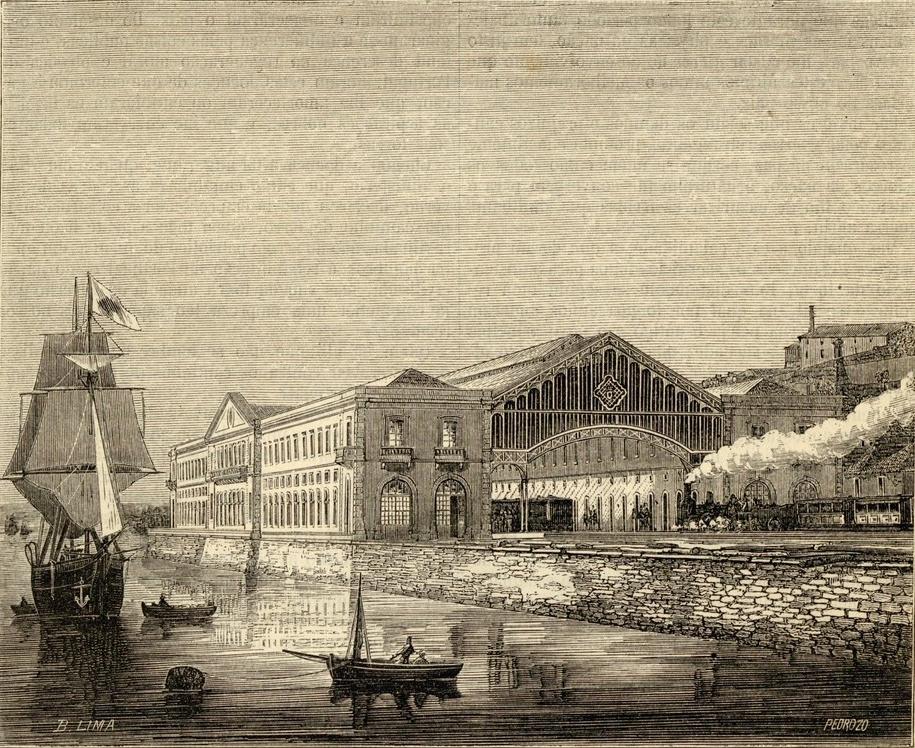
WWII Refugees via Santa Apolónia
This railway station became Europe's gateway to survival when Nazi forces swept across the continent. Santa Apolónia Station, built in 1844 as Portugal's first railway terminal, transformed into a lifeline for thousands of desperate refugees between 1940 and 1941. Trains arrived daily from France and Spain, packed with Jewish families, political dissidents, and royal exiles clutching temporary visas and transit documents.
Historians estimate between 100,000 and one million refugees passed through Portugal during the war, with many stepping onto these very platforms in search of ships bound for America, Brazil, or Palestine. The scenes were overwhelming. Exhausted travelers slept on wooden benches while children clung to their parents. Portuguese diplomats worked through the night processing paperwork. Some refugees waited weeks for passage, running out of money and hope.
Others arrived only to discover their ship had already departed. Portugal's neutrality made it one of the last escape routes from occupied Europe. While Hitler's armies controlled most of the continent, this station in the Alfama district remained a crossing point between tyranny and freedom. The platforms where refugees once waited in fear now welcome daily commuters and tourists.
Any feedback for this story?