1948 Olympic Games
You've arrived at the site of the Austerity Games, where the world reunited after twelve years of Olympic silence. The iconic stadium in Wembley, with its distinctive twin towers, hosted the 1948 Summer Olympics just three years after World War II ended. On July 29, 1948, King George VI opened the Games before 85,000 spectators packed into the Empire Stadium. Medical student John Mark ran the final torch relay leg and lit the Olympic flame as 7,000 pigeons were released into the sky, symbols of peace after years of devastation.
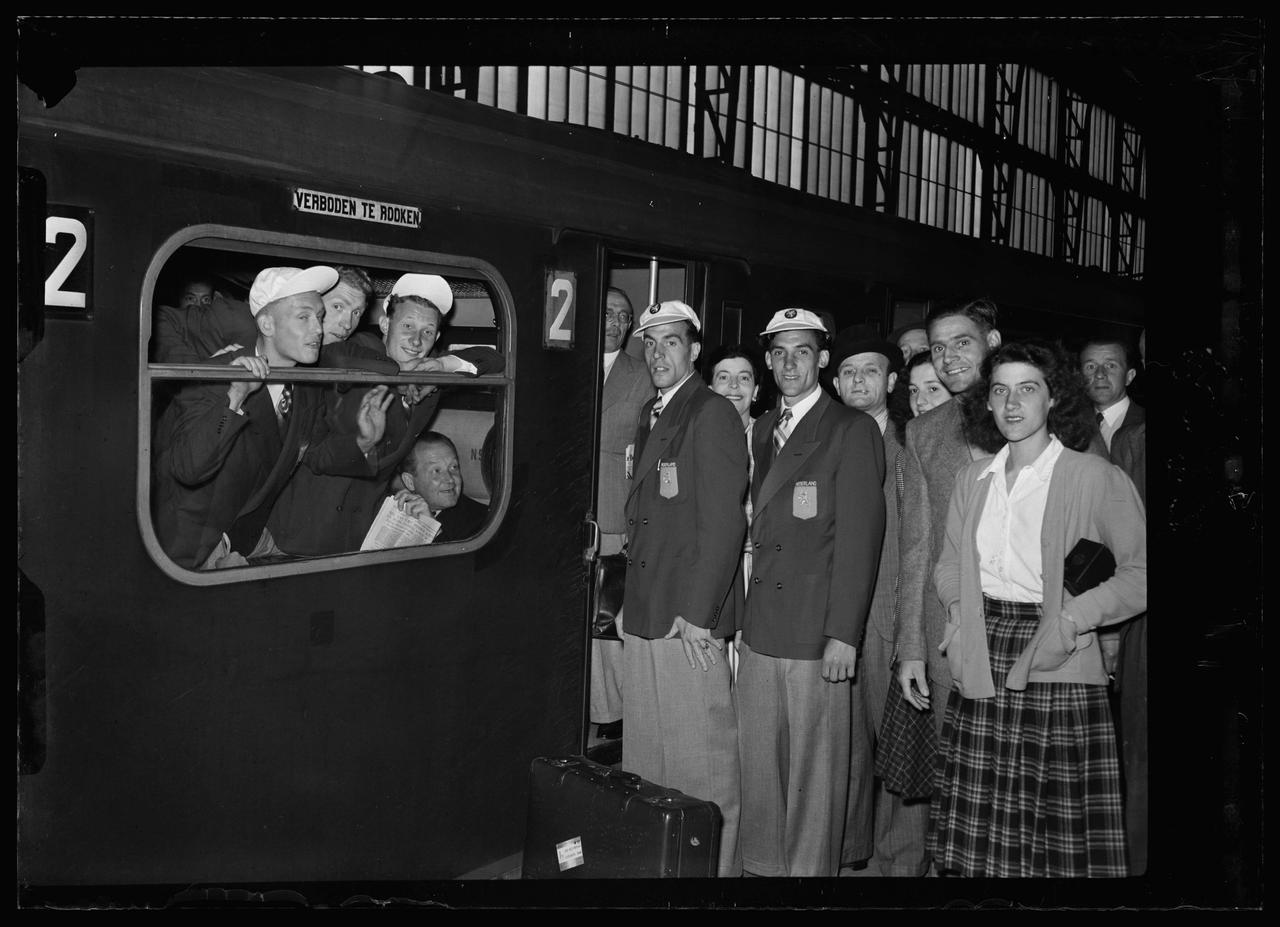
Germany and Japan were not invited, their wartime roles still too recent. Britain was broke. Food rationing continued, and there was no money to build an Olympic Village. Athletes stayed in military barracks and college dormitories, bringing their own food with them. Despite these challenges, 59 nations participated, the largest gathering in Olympic history at that time. The star was Dutch sprinter Fanny Blankers Koen, a 30 year old mother of two who won four gold medals in track events.
American Bob Mathias, just 17 years old, became the youngest Olympic athletics champion by winning the decathlon only four months after taking up the sport. These Games introduced starting blocks for runners and were the first Olympics broadcast on television. The nearby Empire Pool became the first covered Olympic swimming venue in history.
Any feedback for this story?