Abbey Road
In 1969, The Beatles released "Abbey Road," featuring an iconic album cover that changed the street's legacy. The photo, showing the band members walking across a zebra crossing outside their recording studio, turned Abbey Road into a special site for fans worldwide. Visitors from all corners of the globe flock to this location, posing on the same zebra crossing, mimicking the famous stroll. Abbey Road, running through Camden and Westminster in London, hosts the renowned recording studio at number 3 Abbey Road.
This site, originally a Georgian townhouse built in 1831, was repurposed into apartments before being acquired by The Gramophone Company in 1931. The company, which later merged into EMI, established the EMI Studios here, a facility that saw legendary musical acts like The Beatles, Pink Floyd, The Shadows, The Hollies, Cliff Richard, Oasis, and The Spice Girls record their music. For Beatles enthusiasts, Abbey Road holds special significance. The recording studio, which was renamed Abbey Road Studios after the release of the Beatles' album, became hallowed ground. Despite its unassuming exterior, this location played a pivotal role in the band's history.
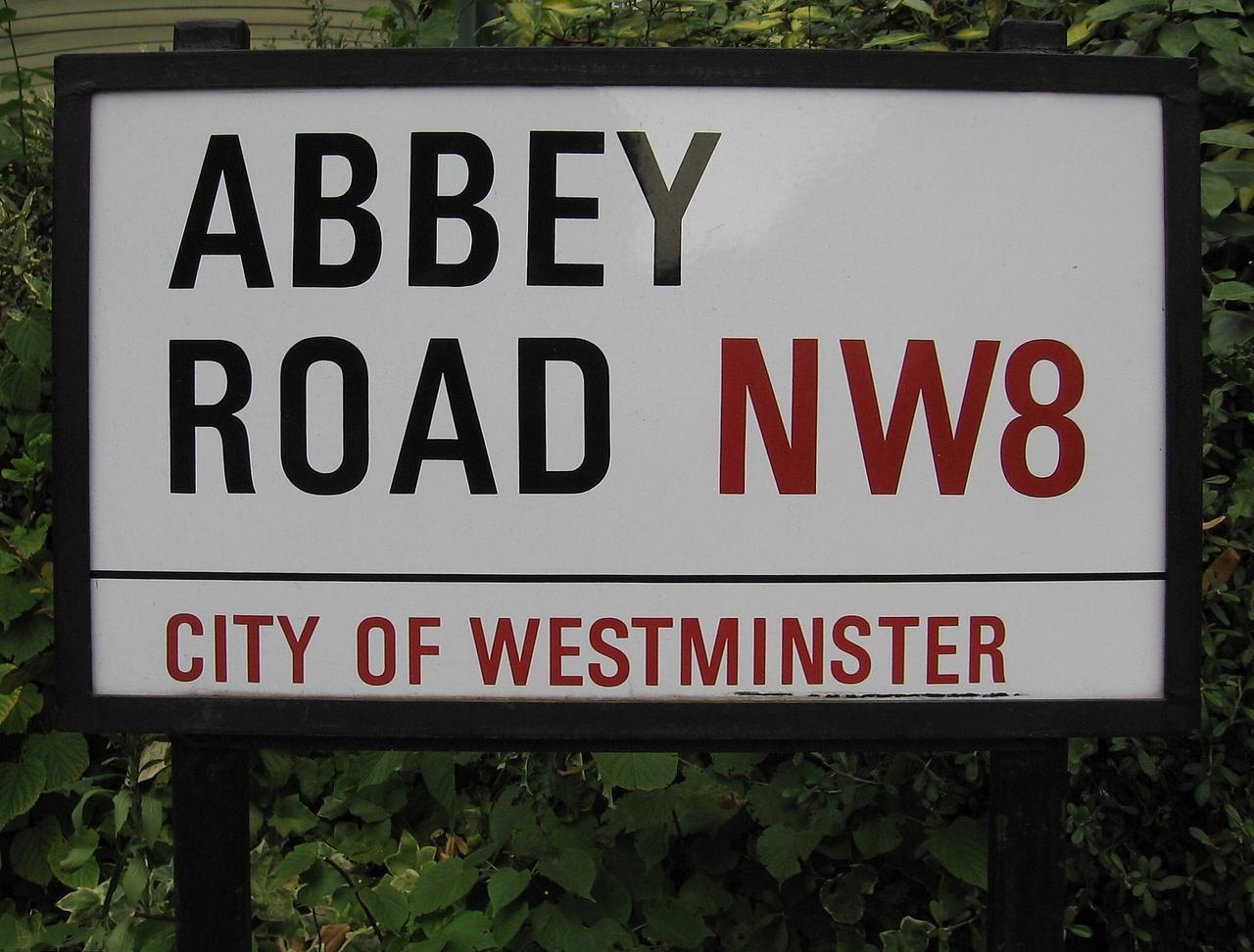
The street signs around Abbey Road frequently bear graffiti from fans and are often replaced due to theft. The making of the "Abbey Road" album itself is filled with intriguing details. Initially intended to be named "Everest," the album plans included a photoshoot in the Himalayas. However, Paul McCartney proposed a simpler plan: to take a photograph outside the studio and name the album "Abbey Road." This led to the famous cover photo shoot by Iain MacMillan, capturing the "Fab Four" walking across the zebra crossing.
This seemingly simple photo sparked numerous conspiracy theories, most notably speculation about Paul McCartney's death. Regardless of these theories, "Abbey Road" marked the end of an era for The Beatles and continues to draw fans to the now culturally protected zebra crossing.
Any feedback for this story?