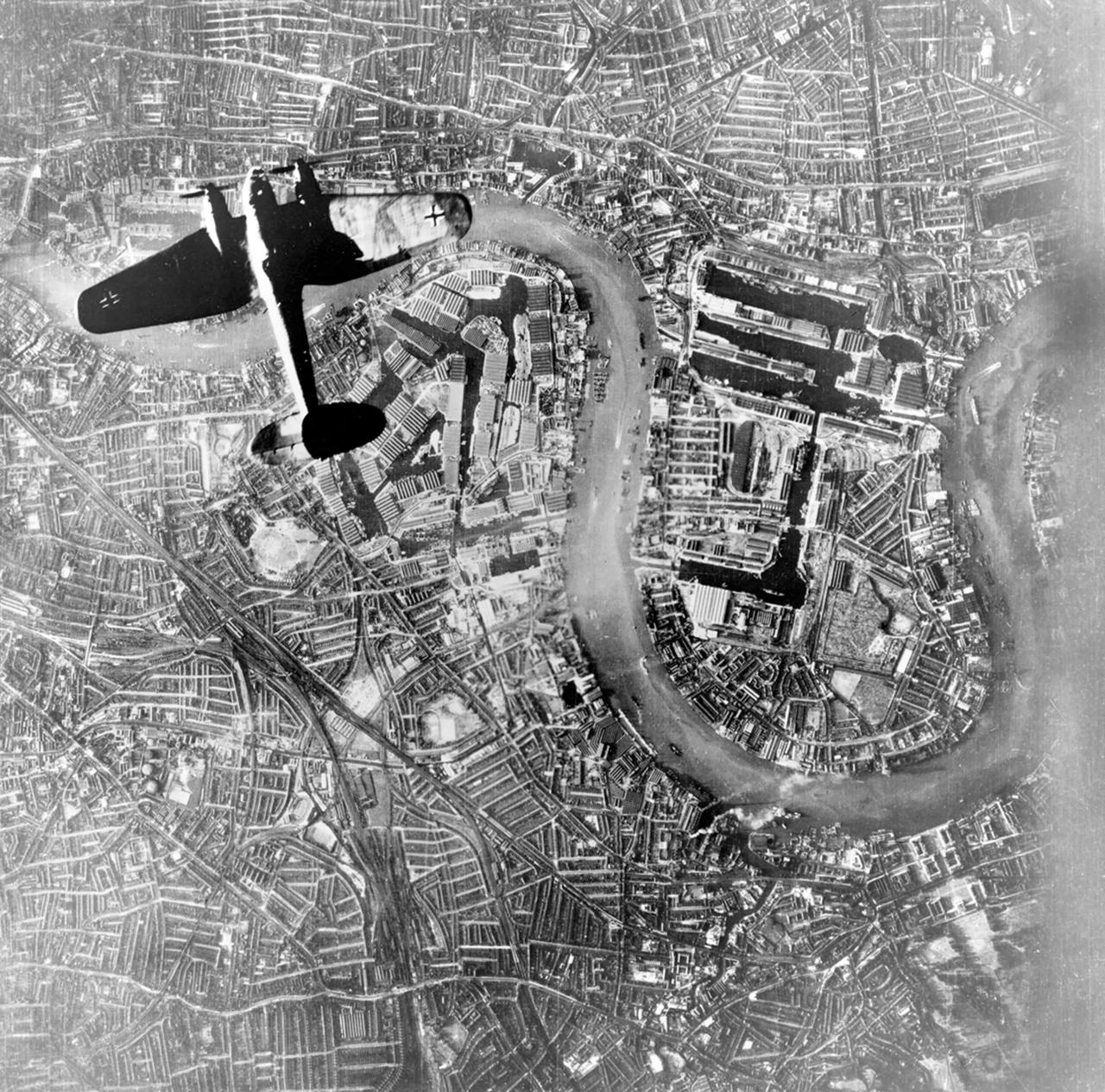
Battle of Britain
The Battle of Britain was a pivotal conflict during World War II, lasting from July 10 to October 31, 1940. It was the first major military campaign fought entirely by air forces, marking a significant turning point in the war. Adolf Hitler's plan to invade Britain, known as Operation Sea Lion, depended on gaining air superiority over the Royal Air Force (RAF). The German Luftwaffe aimed to destroy the RAF’s ability to defend the skies over Britain, paving the way for an amphibious invasion. The Luftwaffe launched relentless bombing raids against British airfields, radar stations, and cities, hoping to crush British morale and air power.
Despite being outnumbered, the RAF employed several strategic advantages. The British developed an early warning radar system called Chain Home, which allowed them to detect incoming German aircraft and efficiently deploy their fighter squadrons. The bravery and skill of the RAF pilots, known as "The Few," played a crucial role in repelling the German assaults. Notable aircraft like the Supermarine Spitfire and the Hawker Hurricane became symbols of British resilience.
The battle saw intense dogfights over the English Channel and southeastern England. On August 20, 1940, British Prime Minister Winston Churchill delivered his famous speech, praising the RAF pilots: "Never in the field of human conflict was so much owed by so many to so few." This statement highlighted the importance of their efforts and bolstered public morale.
The turning point came in September 1940 when the Luftwaffe shifted its focus to bombing London and other major cities, a campaign known as the Blitz. This change in tactics gave the RAF crucial respite to repair airfields and rebuild strength. Despite the heavy bombing, British resolve remained unbroken. By the end of October 1940, the Luftwaffe had failed to achieve air superiority. The RAF’s tenacity forced Hitler to indefinitely postpone Operation Sea Lion. The Battle of Britain was the first major defeat for Nazi Germany and a significant morale boost for the Allied forces. It demonstrated that air power could decisively influence the outcome of war and marked the beginning of a long struggle that would eventually lead to the liberation of Europe.
Any feedback for this story?