British Library
In 1973, a new chapter in the preservation of knowledge began with the founding of the British Library, now the United Kingdom’s national library. Situated in London, this institution has grown into one of the largest libraries in the world, housing more than 170 million documents. Its collections include some of the most significant and ancient texts known to humankind. One such treasure is the Beowulf manuscript, an epic poem from the 10th century. As the oldest known piece of English literature, Beowulf is a remarkable glimpse into the language and mythology of early medieval Britain, telling the story of the heroic warrior’s battles against formidable creatures.
The library also holds the Magna Carta, a foundational document of English legal history. Issued in 1215 under pressure from rebellious barons, the charter established important principles of justice and individual freedoms that echo through modern legal systems today. Another extraordinary artifact is the Codex Sinaiticus, a Greek manuscript of the Bible from the 4th century. One of the oldest and most complete versions of the Christian scriptures, this text has been crucial for biblical scholarship, offering a window into early Christian thought and traditions.
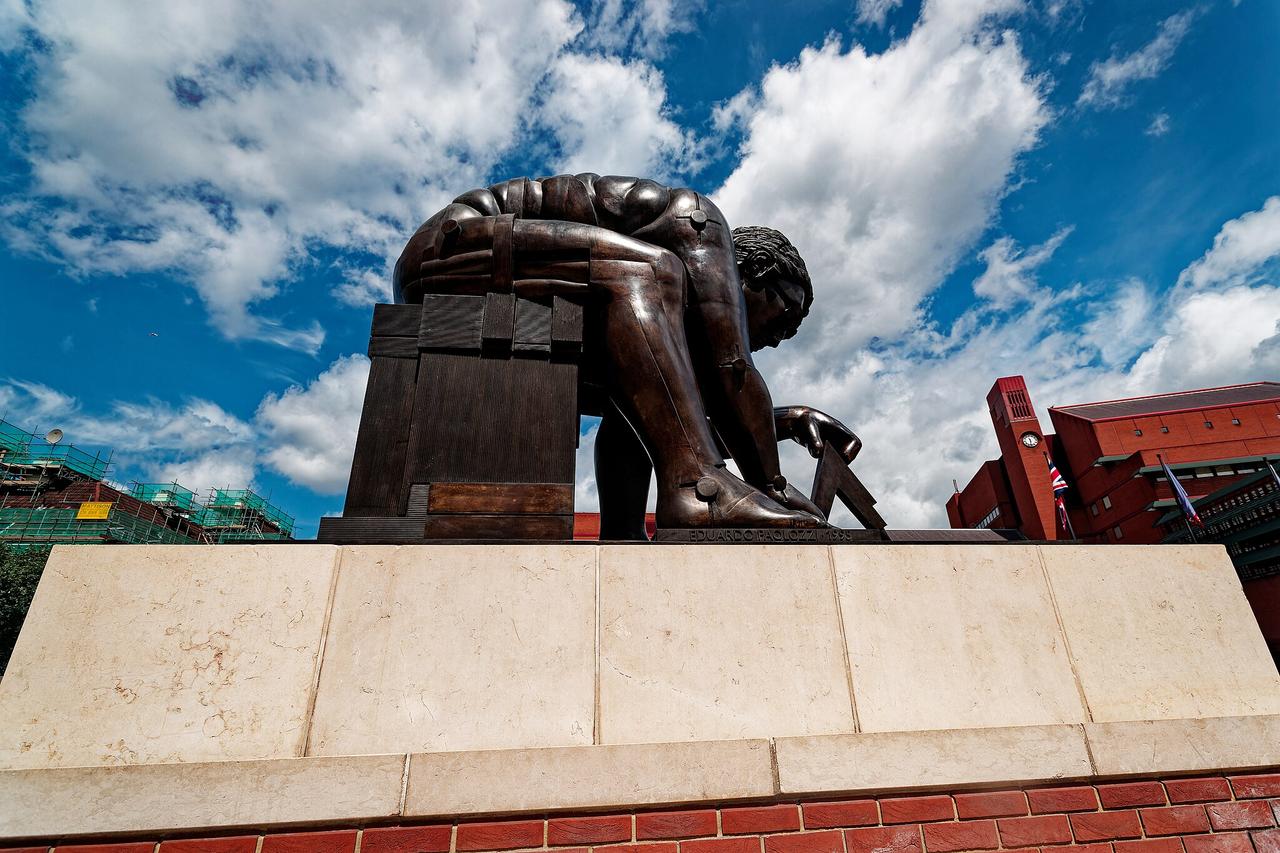
A unique aspect of the British Library is its right of legal deposit. Since its inception, every publisher in the UK is required by law to provide the library with a copy of every book they publish, ensuring that the library’s collection continues to grow with the nation’s output of literature, science, and history. Originally part of the British Museum, the library now resides in a modern building on Euston Road, designed by architect Colin St John Wilson. Opened in 1997, it serves as a guardian of the world’s collective memory, preserving texts that have shaped civilization for centuries.
Any feedback for this story?