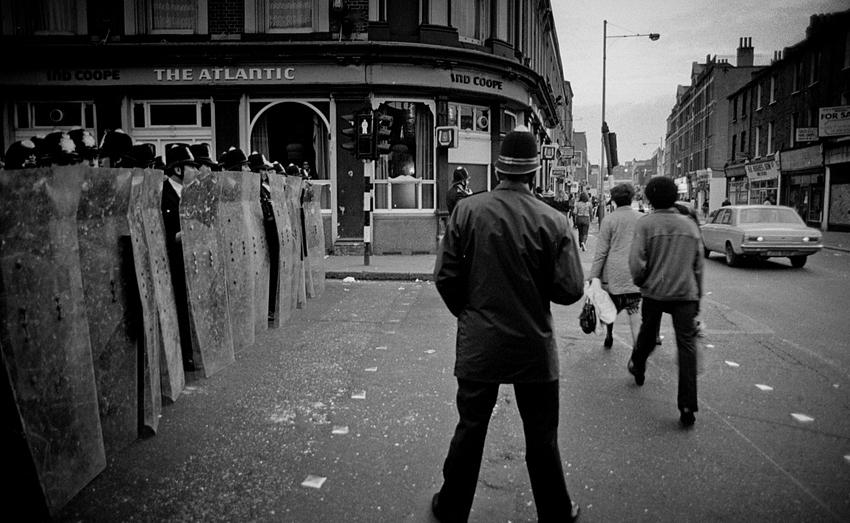
Brixton in the eighties
Look closely at these streets, and you will see where one of modern Britain's most explosive moments unfolded. In April 1981, this South London neighborhood erupted in an uprising that would force the entire nation to confront its racial tensions. Brixton had become home to a vibrant African and Caribbean community since the 1950s. But by the early 1980s, life here was harsh. Unemployment among young Black men hit 50 percent while white residents faced just 13 percent. Poor housing crumbled around them. The police treated Black youth with suspicion and aggression.
On April 10, 1981, police stopped a young Black man who had been stabbed. Rumors spread that he died in custody. The community had reached its breaking point. What followed were three days of street battles along Railton Road, Brixton Road, and surrounding areas. Operation Swamp 81 had set the stage. In just six days before the uprising, police stopped and searched 943 people here, almost all of them Black.
The community saw it as harassment. When tensions exploded, nearly 300 police officers were injured, 28 buildings burned, and over 100 people were arrested. The government commissioned the Scarman Report, which finally acknowledged that racial disadvantage and aggressive policing had pushed people to revolt. Britain's approach to race relations would never be the same.
Any feedback for this story?